In today's global trade landscape, energy efficiency plays a crucial role. Factories are increasingly turning to LED lighting to enhance their operations. Understanding what are the benefits of LED lighting in factories is essential for competitive advantage.
LED lights consume less power and last longer than traditional bulbs. This reduces energy costs significantly, which is vital for manufacturers. Moreover, better lighting improves worker productivity. Employees can perform tasks more effectively in well-lit environments.
Factories adopting LED technology can also enhance their sustainability image. As global demand shifts towards eco-friendly practices, utilizing LED lighting can be a marketing asset. However, the initial investment may be a concern for some. Transitioning to LED requires thoughtful consideration of costs versus long-term savings. It is an ongoing conversation in the manufacturing sector.
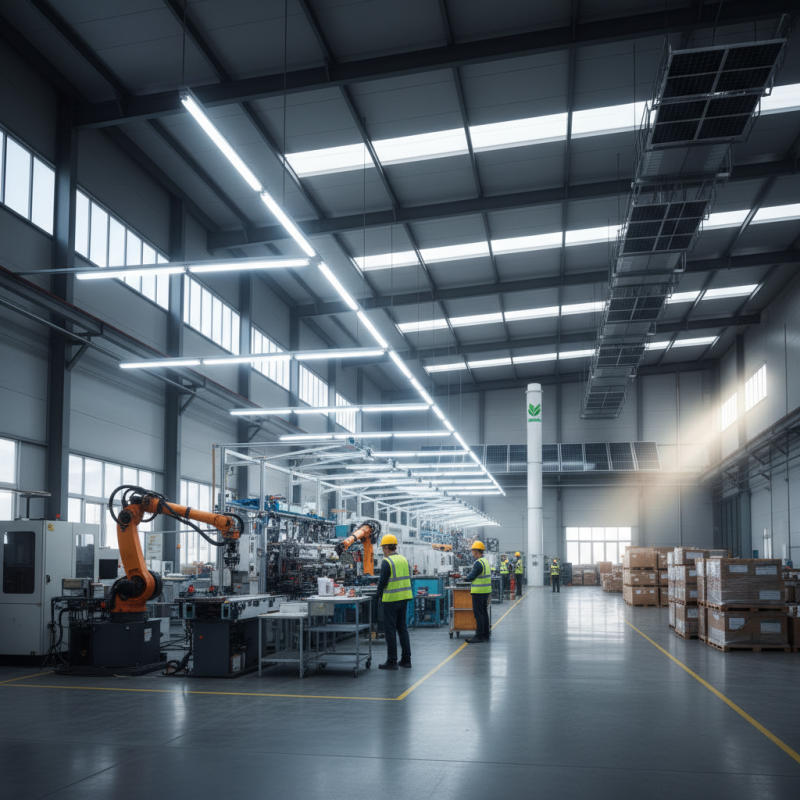
LED lighting is transforming factories around the globe. Its energy efficiency stands out as a major benefit. Studies show that LED lights can reduce energy consumption by up to 75% compared to traditional lighting. This significant reduction means factories can lower operational costs. For example, a factory using LED lights can save thousands of dollars annually on electricity bills.
Energy-efficient lighting also contributes to a factory's sustainability goals. Reduced energy use leads to a smaller carbon footprint. According to the International Energy Agency, improving energy efficiency in industry could cut global energy demand by 30% by 2040. Yet, many facilities lag in upgrading their lighting systems. Some managers hesitate, fearing upfront costs but fail to see long-term benefits.
Additionally, LED lighting improves workplace safety. Brighter, more uniform light enhances visibility on the shop floor. A well-lit environment decreases the risk of accidents and errors. However, not all LEDs are created equal. Some factories have reported issues with flickering or poor color rendering, which can affect productivity. Careful selection is crucial to avoid these pitfalls.
LED lighting in factories significantly enhances worker productivity and safety. Bright, even lighting helps workers see their tasks more clearly. This reduces mistakes and increases efficiency on the production line. Many factories report a boost in output with improved illumination. Suboptimal lighting can lead to eye strain and fatigue. Employees may struggle to focus, slowing down their work.
Safety is another critical aspect influenced by lighting. Properly lit areas minimize the risk of accidents. Workers can better navigate their surroundings. This is especially vital in environments with heavy machinery. A poorly lit factory can become a dangerous place. Workers may not see hazards in time, leading to injuries.
However, the transition to LED lighting is not without challenges. Initial costs can deter some manufacturers. Not all facilities have the infrastructure to support this change. In some cases, maintenance training for staff is necessary. There is also an adjustment period as workers adapt to new light levels. This shift requires careful planning and consideration to ensure its success.
LED lighting solutions are gaining popularity in factories worldwide. One key benefit is cost-effectiveness. These lights consume less energy than traditional bulbs, resulting in lower electricity bills. Over time, these savings can be significant.
Consider this: switching to LED can reduce energy usage by about 50%. This is an attractive option for factories looking to cut costs. However, the initial investment may seem high. It's essential to weigh the long-term savings against upfront costs.
Tips: Look for rebates or incentives from local authorities. These can help offset initial expenses. Additionally, think about the savings in maintenance. LEDs last much longer than traditional lights. This means fewer replacements and less downtime.
Factories should assess their specific needs before making the switch. Not all LED solutions are created equal. Some may not provide adequate illumination for certain tasks, which could affect productivity. Testing different options might be necessary. Be open to feedback from team members.
This could lead to improvements in lighting and efficiency.
LED lighting offers numerous environmental advantages in the context of global trade manufacturing. Factories that adopt LED technology can significantly reduce energy consumption. LEDs use up to 80% less energy than traditional lighting. This reduction leads to lower greenhouse gas emissions, contributing to a cleaner environment.
Moreover, LEDs have a longer lifespan, often lasting over 25,000 hours. This extended life means that fewer bulbs need to be produced and disposed of. Less waste in landfills benefits the planet. However, the manufacturing process of LED bulbs also generates electronic waste. This aspect poses a challenge that needs attention.
In addition, LED lights improve the working conditions within factories. They provide brighter, more uniform lighting, enhancing visibility. Workers can perform their tasks more safely and efficiently. Yet, transitioning to LED requires initial investment and planning, which some factories might hesitate to undertake. The need for careful reflection on implementation strategies is essential.
LED lighting technologies offer significant improvements in product quality and longevity within factory environments. One of their main advantages is the ability to emit light without generating excessive heat. This reduces the risk of overheating, which can damage sensitive components. When products are exposed to too much heat, their lifespan shortens. LEDs help maintain optimal conditions for manufacturing processes.
Another notable benefit is energy efficiency. LED lights consume less power than traditional lighting. In return, this leads to lower energy costs. Factories can allocate these savings to enhance product quality. Improved lighting also assists workers by providing brighter, more consistent illumination. This can reduce eye strain and enhance precision in tasks, ultimately improving output quality.
**Tip:** Regularly assess the lighting conditions in your factory. Adjustments might be necessary to ensure consistent quality.
However, transitioning to LED technology is not always straightforward. Some factories face challenges related to initial installation costs. Additionally, there may be a learning curve for staff unfamiliar with the new systems. Continuous training and feedback are essential to overcome these hurdles.
**Tip:** Engage workers in the decision-making process. Their insights can lead to better adaptation strategies.
| Benefit | Description | Impact on Product Quality | Impact on Longevity |
|---|---|---|---|
| Energy Efficiency | LEDs use significantly less energy compared to traditional lighting. | Allows better quality control as less heat reduces the risk of product defects. | Longer lifespan results in reduced replacement frequency. |
| Lower Maintenance Costs | LEDs have a longer operational life and require less frequent replacement. | Consistent lighting supports better consistency in product quality. | Extended operational hours with fewer replacements enhance longevity. |
| Enhanced Visibility | Bright and clear lighting improves visibility in factory settings. | Higher visibility reduces errors during production, improving quality. | Promotes better working conditions which can indirectly enhance longevity. |
| Better Color Rendering | LEDs provide better color rendering index (CRI) crucial for quality checks. | Accurate color representation ensures high-quality products. | Helps in maintaining product consistency over long periods. |
| Sustainability | LEDs are more environmentally friendly and reduce carbon footprint. | Sustainable practices enhance brand reputation and product appeal. | Longer-lasting products contribute to less waste in the long term. |
: LED lighting significantly reduces energy consumption and operational costs. It can save up to 75% on electricity bills.
LED lights lower energy use, helping factories achieve sustainability goals and reduce their carbon footprint.
Many managers fear the initial costs and overlook the long-term benefits of energy savings.
Brighter, uniform light enhances visibility, reducing the risk of accidents and errors on the factory floor.
Some face high initial costs, lack of infrastructure, and the need for staff training on maintenance.
Not all LEDs are the same. Some have issues like flickering or poor color rendering, which affect productivity.
Proper lighting enhances clarity, reducing mistakes and increasing efficiency on the production line.
Poor lighting can cause eye strain and fatigue, slowing down workers and decreasing overall output.
Careful planning and consideration of the transition process is crucial for effective adaptation to new lighting levels.
Workers may take time to adapt to different light levels, requiring patience during the transition.
In exploring what are the benefits of LED lighting in factories, it is evident that this technology significantly enhances energy efficiency. By consuming less power, LED lights contribute to lower operational costs, making them a cost-effective solution for manufacturing environments. Furthermore, the positive impact of LED lighting extends to worker productivity and safety; better-lit workspaces reduce errors and accidents, fostering a more efficient workforce.
Additionally, LED lighting offers environmental advantages, aligning with global trade practices that emphasize sustainability. By reducing energy consumption and greenhouse gas emissions, factories using LED solutions contribute to a greener manufacturing process. Lastly, the improved quality of light provided by LEDs can enhance product quality and longevity, ensuring that products meet higher standards. Collectively, these benefits underscore the transformative role of LED lighting in modern factory operations.

Lume Light