In recent years, cities around the world have begun adopting the LoRa Street Light System to transform urban lighting. This innovative technology uses long-range, low-power connectivity to provide smarter solutions for street lighting. Experts in the industry, like Dr. Emily Carter, emphasize its potential. She once stated, “LoRa technology not only conserves energy but also enhances the safety of our streets.”
The implementation of the LoRa Street Light System comes with numerous advantages. Cities benefit from reduced energy costs and improved maintenance efficiencies. The smart sensors can adjust lighting based on traffic patterns. Imagine a street that illuminates only when needed, saving energy and money. However, challenges exist. Not every city is equipped for such a transition, and investment is required upfront.
Communities must weigh these benefits against potential drawbacks. Will the initial costs outweigh the long-term savings? Understanding the LoRa Street Light System helps in making informed decisions. Effective urban lighting is critical, impacting safety and community well-being. As cities explore this technology, the future of street lighting looks promising yet complex.
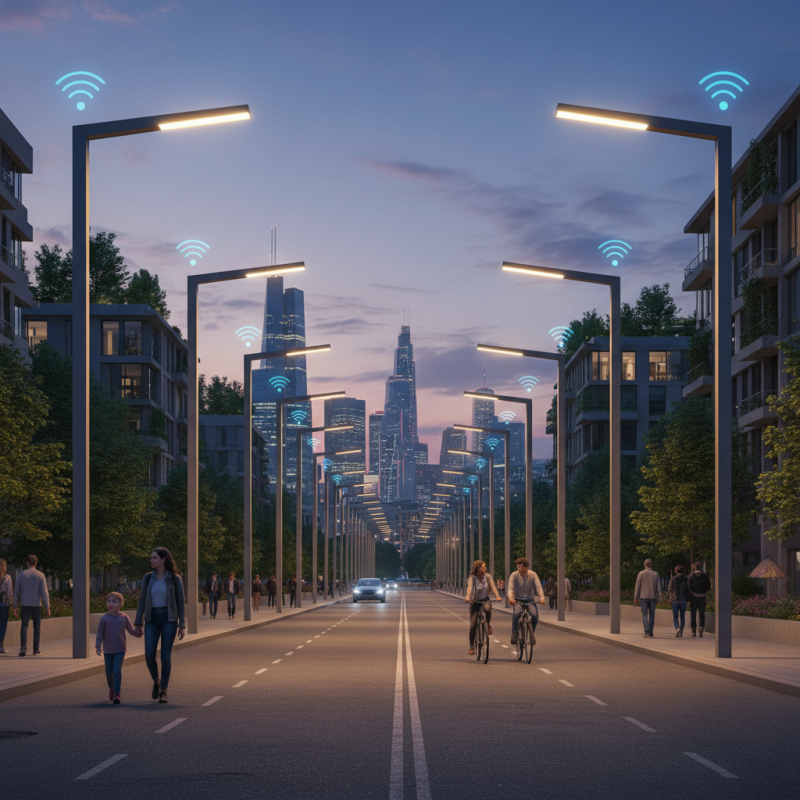
Understanding LoRa Technology in Smart Street Lighting Systems
LoRa technology plays a crucial role in enhancing smart street lighting systems. This low-power, wide-area network reduces energy consumption significantly. According to a study by the International Energy Agency, smart street lighting can lower electricity use by 30-50%. This reduction directly contributes to sustainability goals.
With LoRa technology, cities can monitor and control streetlights effectively. It enables real-time data transmission, allowing for timely maintenance and reducing operational costs. For instance, broken lights can be identified quickly, leading to faster repairs and better safety for pedestrians. However, the initial setup can be costly, and the integration process poses challenges.
Another benefit is the ability to gather valuable data over time. Sensors can track usage patterns and adjust lighting accordingly. This adaptive lighting improves visibility while reducing light pollution, but it also raises concerns about data privacy. Cities must find a balance between efficiency and personal information protection. The ongoing dialogue around security measures in smart technology is essential for fostering public trust.
Improved Energy Efficiency Through LoRa-Enabled Street Lights
LoRa-enabled street lights represent a significant advancement in energy efficiency. These systems provide real-time monitoring of energy consumption. With sensors in place, cities can optimize their lighting based on the actual needs of the area. For example, lights can automatically dim during low traffic times, reducing energy waste.
This technology allows for better data collection on usage patterns. Municipalities can gather insights about peak usage and adjust accordingly. The result? A more sustainable environment and reduced energy bills. However, not all areas are compatible with such smart solutions. Some regions face challenges in implementation. It requires investment and a strategic approach.
Incorporating LoRa technology also improves maintenance efficiencies. These lights can alert city crews about outages or malfunctioning units. This proactive method ensures a quicker response. Yet, this is not without its hurdles. Some communities may struggle with the transition to more technical systems. Balancing innovation with existing infrastructure remains a challenge.
Top 10 Benefits of LoRa Street Light System You Should Know
| Benefit |
Description |
Impact |
| Energy Savings |
LoRa street lights reduce energy consumption by up to 70% compared to traditional lights. |
Lower electricity bills and reduced carbon footprint. |
| Remote Monitoring |
Allows for real-time monitoring and management of street light performance. |
Efficient maintenance and quicker response to outages. |
| Long Range Connectivity |
LoRa technology provides a wide coverage area for sensor communications. |
Fewer gateways required, leading to lower infrastructure costs. |
| Enhanced Security |
Integrated lighting systems can improve nighttime visibility in urban environments. |
Increased safety for pedestrians and reduced crime rates. |
| Adaptive Control |
Lights can adjust brightness based on surrounding conditions. |
Optimized energy consumption and improved visibility. |
| Environmentally Friendly |
Uses LED technology, which is more sustainable than traditional lighting. |
Contributes to greener urban areas and lower pollution levels. |
| Data Collection |
Collects valuable data on traffic and pedestrian patterns. |
Informs urban planning and traffic management strategies. |
| Scalability |
Easily scalable to accommodate future smart city initiatives. |
Flexible upgrades and integration with other smart systems. |
| Cost-Effectiveness |
Lower installation and operational costs compared to traditional systems. |
Quicker return on investment for municipalities. |
| Increased Lifespan |
LEDs have a longer lifespan than traditional bulbs, reducing replacement frequency. |
Lower maintenance costs and fewer disruptions to public services. |
Enhanced Public Safety Features of LoRa Street Light Systems
LoRa street light systems offer remarkable enhancements in public safety. These smart lighting solutions integrate advanced sensors and connectivity features. They can be programmed to adjust brightness based on real-time data. This adaptability improves visibility in critical areas, reducing accidents and crime rates significantly.
The systems can also incorporate emergency features. For instance, lights can flash or increase brightness when danger is detected nearby. This immediate visual response alerts citizens and encourages quick action. Moreover, remote monitoring capabilities provide valuable data to city officials about light status and energy consumption. Cities can respond faster to outages, ensuring safety is never compromised.
However, challenges do exist. Integrating this technology requires initial investment and ongoing maintenance. Some communities might struggle with the transition. While the benefits are clear, further evaluation is needed to address these issues effectively. Balancing innovation with practicality is crucial for successful implementation.
Data Collection and Analysis Benefits of LoRa Street Lighting
The LoRa street light system offers a myriad of data collection and analysis benefits. It enables cities to gather detailed information about light usage patterns. With this data, municipalities can identify areas needing better lighting or adjustments. Real-time monitoring can highlight lights that are malfunctioning. Notifications can be set up for instant maintenance requests. This proactive approach can save time and resources.
Data analysis also reveals trends in energy consumption. Cities can optimize their light schedules based on traffic patterns. This could reduce energy usage significantly during off-peak hours. However, excessive reliance on analytics may lead to oversight. It's important to balance data-driven decisions with human insights. Some data might not reflect real-world conditions accurately. Continuous evaluation of the system is necessary to adapt to changing circumstances. This reflection ensures that the data collected serves the community’s best interests.
Top 10 Benefits of LoRa Street Light System
Cost-Effectiveness and Long-Term Savings of LoRa Street Light Solutions
The LoRa street light system is gaining traction for its cost-effectiveness. According to recent industry reports, cities can reduce streetlight energy costs by up to 50% through efficient management. This reduction comes from both energy savings and lower maintenance needs. With advanced sensors, cities can optimize light usage based on weather and traffic conditions, ensuring efficient energy use.
Tips: Regularly analyze light usage data. Adjust brightness according to real-time needs. This can lead to significant savings over time.
Studies indicate that investing in a LoRa streetlight system can yield a return on investment in less than five years. Lower installation costs enhance overall sustainability. However, cities must evaluate the initial project expenses against long-term savings. This can be a hurdle for many municipalities. Balancing upfront costs with potential future savings requires careful planning.
Tips: Consider creating a phased implementation plan. Start with high-traffic areas first. This approach minimizes disruption while maximizing early savings.
In conclusion, the long-term benefits of LoRa street light solutions are compelling. Cities can lower operational costs while contributing to environmental sustainability. However, the initial investment and planning must be carefully managed. The path to sustainable lighting systems is not perfect, but the potential rewards are significant.
Conclusion
The LoRa Street Light System represents a significant advancement in smart street lighting technology, providing numerous benefits that enhance urban living. One of the primary advantages is improved energy efficiency, as LoRa-enabled street lights can adjust their brightness based on real-time data, thereby reducing energy consumption. Additionally, the system enhances public safety through features such as instant status reporting and remote monitoring, allowing for efficient maintenance and quicker responses to incidents.
Moreover, the data collection and analysis capabilities of the LoRa Street Light System enable cities to optimize their lighting strategies, gather insights on traffic patterns, and improve overall streetlight performance. This leads to not only cost-effectiveness and long-term savings for municipalities but also supports the creation of more intelligent and responsive urban environments. Embracing this technology can thus lead to a smarter, safer, and more sustainable future for cities.

 Lume Light