In recent years, more companies have been exploring why businesses switch to LED lighting solutions. This shift is driven by various factors, including cost savings and environmental benefits. Notably, LED lighting consumes significantly less energy compared to traditional options. This reduction translates into lower electricity bills, appealing to budget-conscious firms.
The durability of LED lights is another key factor. They last longer, reducing the frequency of replacements and maintenance costs. Companies can allocate their resources more effectively. However, the initial investment can be daunting for some businesses. It's a critical point for consideration.
Many organizations are also motivated by the growing focus on sustainability. By adopting LED technology, they contribute to reducing carbon footprints. This effort can enhance their brand image and attract eco-conscious customers. As competition intensifies, understanding why businesses switch to LED lighting solutions becomes essential for any organization aiming for growth and efficiency.
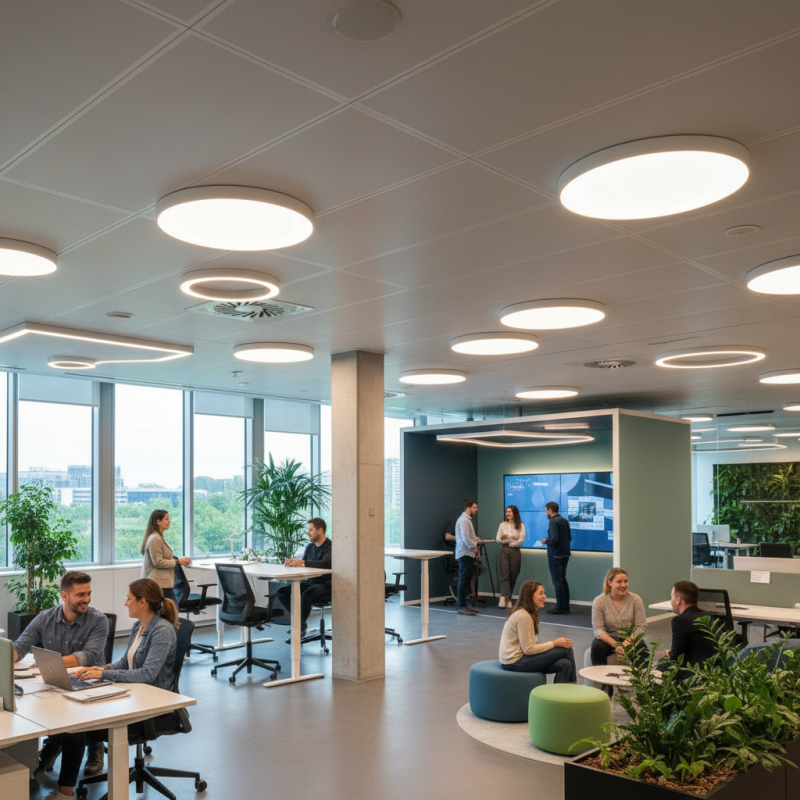
LED lighting solutions have gained traction in recent years due to their numerous advantages over traditional lighting methods. One major benefit is energy efficiency. According to the U.S. Department of Energy, LED lights use at least 75% less energy than incandescent bulbs. This efficiency translates directly into lower utility bills for businesses. In fact, a study found that switching to LED can reduce lighting energy usage by more than 50%.
The longevity of LED lights is another significant advantage. They can last up to 25,000 hours compared to 1,000 for incandescent bulbs. This longevity reduces maintenance costs and frequency of replacements. Additionally, LED lighting provides better quality illumination, enhancing visibility and reducing eye strain. A well-lit environment can improve productivity and safety in workplaces.
While these benefits are compelling, it's important to consider the initial investment in LED technology. Some companies hesitate due to higher upfront costs. However, the return on investment is evident over time through lower energy usage and maintenance expenses. Evaluating the long-term savings can help businesses make informed choices. Transitioning to LED lighting is not just a trend; it's a strategic move toward sustainability and cost-effectiveness.
LED lighting solutions are transforming how businesses operate. One of the primary benefits is energy efficiency. By using LED lights, companies can reduce their energy bills significantly. Estimates suggest that LED lights use about 75% less energy compared to traditional bulbs. This reduction leads to substantial cost savings over time.
Beyond direct savings, LED lights have a longer lifespan. They often last up to 25,000 hours, which means less frequent replacements. This longevity lowers maintenance costs, as businesses spend less time and money on lighting upkeep. Additionally, the reduction in waste from fewer bulb replacements supports environmental sustainability, making this an attractive choice for companies focused on green practices.
However, transitioning to LED lighting requires an upfront investment. Some businesses may hesitate due to costs. They must weigh the initial expense against the long-term benefits. Not every business achieves immediate savings. Evaluating energy use before making the switch is essential. Adjustments in lighting setups can also affect outcomes. This process offers valuable insights, allowing businesses to reflect on their operational efficacy.
Switching to LED lighting solutions significantly improves
environmental sustainability. According to a report by the U.S. Department of Energy, LEDs use
at least 75% less energy than traditional incandescent bulbs.
This energy efficiency leads to lower greenhouse gas emissions. By reducing energy consumption, businesses can help
mitigate climate change.
Moreover, the long lifespan of LED lights is noteworthy. They
can last up to 25,000 hours, compared to 1,000 hours
for incandescent bulbs. This reduction in waste is crucial for waste management and resource conservation. However,
the initial investment in LEDs can be a barrier for some businesses. The upfront cost is higher, which can raise
concerns about return on investment.
While cost savings are evident over time, the transition can be daunting. Proper planning is essential. Businesses must
weigh immediate costs against long-term benefits. Despite concerns over costs, the shift to LED lighting contributes
to a positive environmental impact. It leads to lower energy costs and reduced waste, fostering a sustainable future.
Switching to LED lighting solutions offers significant benefits, particularly in lifespan and maintenance. LEDs can last up to 25,000 hours, drastically reducing the frequency of replacements. Traditional bulbs often need changing every year, while LEDs can function effectively for over a decade. This long lifespan translates into less waste, making it an environmentally friendly choice.
Maintenance is also simplified. LEDs are durable and shock-resistant, reducing the chance of breakage during installation or use. This strength leads to fewer service calls, saving both time and money for businesses. Regular maintenance is crucial; however, with LEDs, the need is significantly lower.
**Tip:** Regularly check the connections and fixtures of your LED lights. Ensuring they are clean and properly installed can extend their lifespan even further.
In addition, consider the initial cost versus long-term savings. While LEDs may have a higher upfront cost, the diminished maintenance and energy bills over time create substantial savings.
**Tip:** Track the performance and energy usage of your lighting. It helps to identify patterns, improving decision-making for future upgrades or changes. This reflective approach can optimize your lighting strategy effectively.
LED lighting has transformed commercial spaces through its adaptability and versatility. Its flexible design allows for various configurations, fitting into spaces of different shapes and sizes. Businesses can easily adjust the lighting to match their needs, whether it’s for vibrant displays or soft ambient lighting. This customization fosters a welcoming atmosphere for clients and employees alike.
The energy efficiency of LED lighting makes it an appealing choice for businesses. While its initial cost can be higher, the long-term savings are notable. Companies enjoy reduced energy bills and lower maintenance costs due to the longevity of LED lights. However, switching to LEDs can be a complex decision. Some businesses struggle with outdated wiring or incompatible fixtures, leading to unexpected challenges.
Incorporating LED lighting also promotes sustainability, which is increasingly important for modern businesses. It aligns with environmental goals by reducing energy consumption and minimizing waste. Yet, businesses must remember that not all LED solutions are equally effective. Careful consideration is needed to choose the right products that suit their specific environment and goals.
: LED lighting is energy-efficient, using 75% less energy than incandescent bulbs. This leads to lower utility bills.
LED lights can last up to 25,000 hours. In contrast, incandescent bulbs only last around 1,000 hours.
Yes, LED lights provide better quality illumination. This can enhance visibility and reduce eye strain in various settings.
The upfront cost of LEDs can be higher. Businesses might hesitate, but savings appear over time with reduced energy usage.
Switching to LED lighting lowers greenhouse gas emissions. It promotes sustainability by reducing energy consumption and waste.
Not always. Some face challenges with outdated wiring or incompatible fixtures. Proper planning is crucial for a smooth transition.
Not all LED solutions are equally effective. Businesses need to select products that meet their specific needs and goals.
While long-term savings are significant, initial installation and compatibility issues can introduce unexpected costs.
Well-lit environments enhance safety and productivity. Proper illumination can reduce accidents and improve employee focus.
Incorporating LED lighting aligns with environmental goals, such as lower energy use and the minimization of waste.
In recent years, many businesses have chosen to switch to LED lighting solutions, driven by the numerous advantages they offer over traditional lighting. One of the primary reasons why businesses switch to LED lighting solutions is the significant cost savings and energy efficiency they provide, leading to reduced operational expenses. Additionally, LED lights have a longer lifespan, minimizing maintenance needs and replacement costs, which further enhances their appeal for commercial operations.
Switching to LED lighting solutions also has a positive environmental impact, as these energy-efficient lights consume less power and reduce carbon emissions. Furthermore, the adaptability and versatility of LED technology make it suitable for a variety of commercial spaces, enabling businesses to create customized lighting environments that enhance their operational effectiveness. As a result, the transition to LED lighting stands out as a strategic decision for businesses looking to improve sustainability while also reaping financial benefits.

Lume Light