Selecting the right LED lighting for industrial use is a vital decision. The proper lighting can enhance productivity and safety in the workplace. It's crucial to understand the specific needs of your environment. Different industries require different lighting solutions. This complexity makes it essential to know how to choose the right LED lighting for industrial use.
LED lighting is energy efficient and long-lasting. However, choosing the wrong type can lead to poor visibility. A bright, well-lit area can significantly improve worker performance. On the other hand, inadequate lighting can create hazards. Consider factors such as brightness, color temperature, and energy consumption. The right combination will suit your industrial needs, enhancing both safety and efficiency.
Reflect on the unique aspects of your workspace. Do you need focused lighting for detailed tasks? Or is ambient lighting sufficient for general areas? Evaluate what works best for your operations. Industrial environments can vary significantly, making customization essential. Ultimately, the decision rests on understanding how these factors interact with your specific requirements. The right choice can lead to better outcomes and a safer work environment.
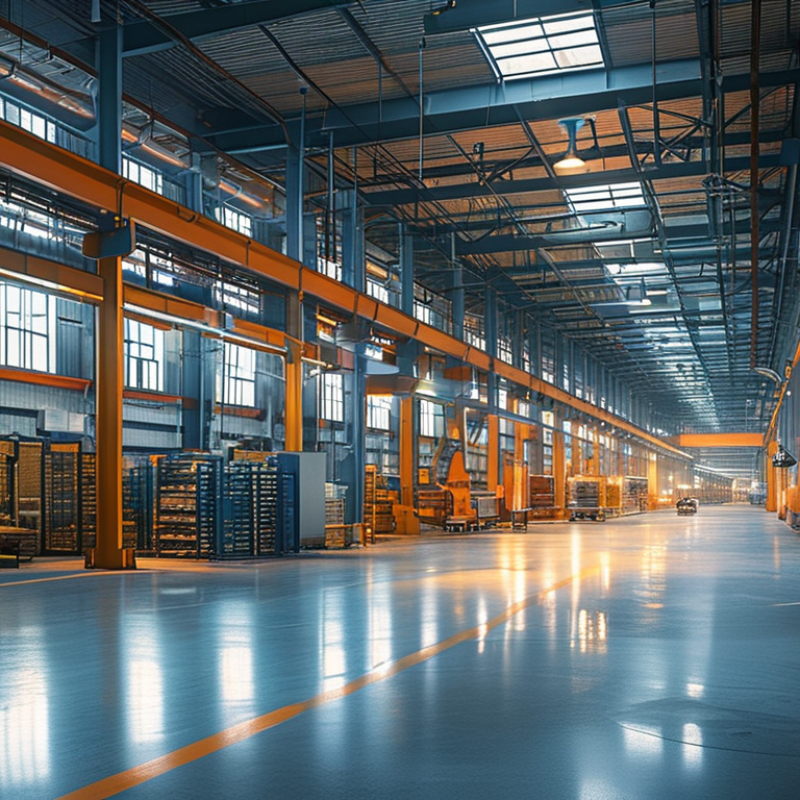
When selecting LED lighting for industrial settings, several factors warrant close examination. The unique environment of each facility must be the priority. High ceilings and large spaces might require different lumen outputs. For instance, warehouses generally need stronger illumination to ensure safety and efficiency. According to the Illuminating Engineering Society, optimal lighting levels for industrial spaces range from 300 to 1,000 lumens per square meter, depending on the tasks performed.
Another critical aspect is color temperature. Warmer light (around 3000K) feels inviting for workspaces, while cooler light (5000K or higher) can enhance focus and clarity. This plays a vital role in reducing fatigue during long shifts. Moreover, energy efficiency is paramount. The U.S. Department of Energy reports that LED lighting can save up to 75% more energy than traditional lighting systems. However, initial costs can be significant. Facilities should weigh long-term savings against upfront investments.
Durability and maintenance are also vital considerations. Industrial settings often involve harsh conditions. Lighting fixtures must resist dust, moisture, and impacts. IP ratings are essential; look for fixtures with at least an IP65 rating for protection. Balancing these factors is crucial. Each choice impacts overall performance and employee well-being. Failing to assess these details could lead to increased operational costs or compromised safety.
: The unique environment of each facility plays a crucial role in the decision.
High ceilings and large spaces often require different lumen outputs to ensure adequate illumination.
Optimal levels range from 300 to 1,000 lumens per square meter, depending on tasks.
It impacts focus and reduces fatigue. Warmer light (3000K) feels inviting, while cooler light enhances clarity.
Fixtures should resist dust, moisture, and impacts, ideally with an IP65 rating or higher.
Regular inspections and simple cleaning can significantly extend the lifespan of lighting fixtures.
Excessive blue light can cause eye strain, so balance is necessary for comfort.
Improper alignment can lead to overheating, which shortens the life span of LEDs.
They track energy consumption and detect outages, helping identify issues early.
It ensures ongoing improvements in handling and maintaining lighting systems effectively.
Choosing the right LED lighting for industrial use involves several key factors. Firstly, consider the specific requirements of your industrial setting, including the type and intensity of light needed. Different types of LED lighting solutions, such as high-bay lights or floodlights, cater to various applications, so it is essential to match the lighting to the workspace conditions. Additionally, evaluating brightness and color temperature is crucial for optimal visibility and safety in industrial environments.
Another vital aspect is energy efficiency, as LED technology offers significant cost savings over time through reduced energy consumption and longer lifespans compared to traditional lighting. Maintenance and longevity are also important considerations, as robust LED lights can withstand harsh industrial conditions, minimizing downtime and repair costs. By taking into account these factors, businesses can effectively determine how to choose the right LED lighting for industrial use, ensuring a safe and productive work environment.

 Lume Light