How to Choose the Best Lighting for Your Garden Design?

Time:2026-05-16 Author:Oliver
0%

When it comes to garden design, lighting plays a crucial role. Choosing the right lighting enhances beauty and creates ambiance. Renowned landscape designer John McClain once said, "Effective lighting reveals the charm of a space and defines its character." Understanding how to choose lighting for garden and landscape design can be the difference between an ordinary garden and an extraordinary one.

Selecting garden lighting requires careful thought. Consider the layout and the plants that will be illuminated. Optionally, you might want a mix of functional and aesthetic lighting. Pathway lights provide safety while spotlights highlight features. Remember that too much light can overshadow the garden's natural beauty. Striking a balance is key.

While many might instinctively use bright lights, softer options often add warmth. Reflect on the mood you want to create. Do you desire a tranquil retreat or a lively gathering space? Every garden tells a story through its lighting choices. Approach this task with creativity and insight. Embrace the process and elevate your space effectively.
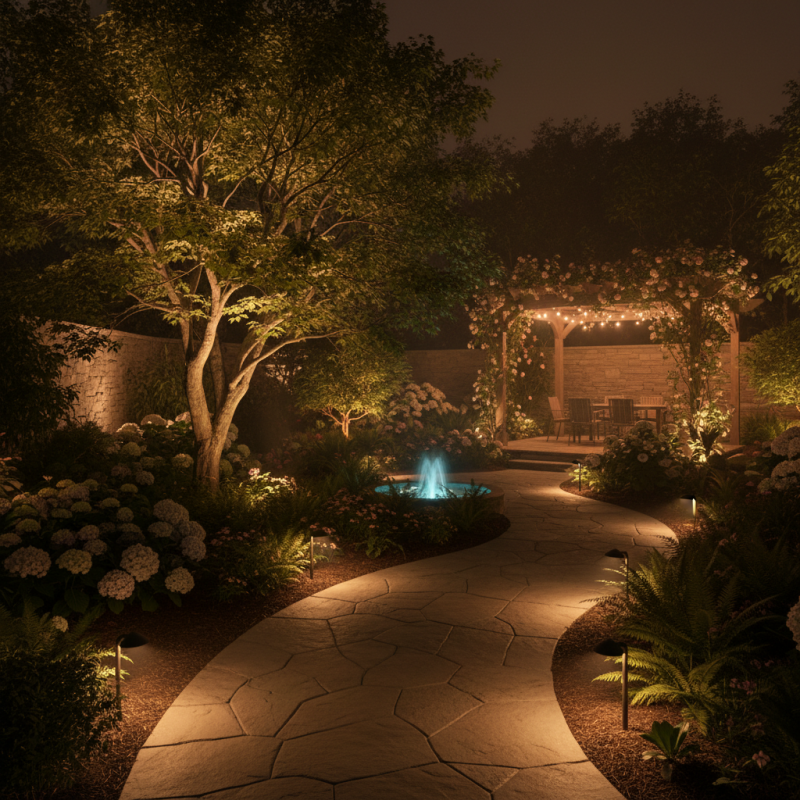
How to Choose the Best Lighting for Your Garden Design?

Understanding the Importance of Garden Lighting in Design

Garden lighting plays a crucial role in design. It not only highlights features but also sets the mood. Proper illumination can transform a simple space into an enchanting retreat. Consider the areas you want to emphasize. Pathways, plants, and seating areas all benefit from targeted lighting. Each light source adds depth and character.

Choosing the right type of lighting requires careful thought. Bright lights can overwhelm. Soft, warm lights create a cozy atmosphere. It’s important to experiment. Sometimes the placement is not quite right. Shadows can obscure beautiful elements. Adjusting the angles or types of fixtures can reveal hidden gems.

Don’t forget to consider safety. Well-lit paths are essential to prevent accidents. Thoughtful lighting enhances both beauty and security. Mistakes can happen, such as selecting lights that clash with your garden’s style. Reflect on your choices. A well-lit garden invites enjoyment and relaxation. Each illumination decision shapes the overall experience.

Garden Lighting Types and Their Popularity

Evaluating Different Types of Garden Lighting Fixtures

When evaluating different types of garden lighting fixtures, you must consider various aspects. Fixtures play a crucial role in the overall ambiance and functionality of your garden. For instance, LED lights are not only energy-efficient but can last up to 25,000 hours. This longevity makes them a popular choice, contributing to sustainability.

You can also explore solar-powered lights. They harness sunlight during the day and shine brightly at night. According to a report from the Department of Energy, almost 40% of homeowners now prefer solar options due to their lower energy costs. However, relying solely on solar lights may lead to dimmer nights in cloudy weather.

Another area of concern is installation complexity. Some fixtures are easier to set up than others, impacting your garden design timeline. Low-voltage lights require transformers and cabling, which could be cumbersome for first-time gardeners. Often, a balanced approach is vital. Mixing different types of fixtures can enhance beauty and practicality, creating a space that's both inviting and functional. Consider how each element interacts within your garden's unique environment.

Selecting the Right Bulb for Your Garden Environment

Selecting the right bulb for your garden environment is crucial for enhancing its beauty. Different bulbs can create varying atmospheres. For instance, warm white bulbs can evoke a cozy feel. In contrast, cool white bulbs offer a modern touch.

Consider the specific areas of your garden. Soft, ambient lighting is ideal for relaxing spaces like patios or seating areas. Pathway lights should be brighter to ensure safety. Use LED bulbs for their energy efficiency and longevity. However, their cold light may not suit every garden style.

Think about the effect you want to achieve. Layering different types of lighting can elevate the design. Utilize spotlights to highlight features like statues or trees. However, there can be challenges. Over-lighting can create harsh shadows, detracting from the charm. Always step back and evaluate how different bulbs interact with the space. Ideal lighting transforms a garden into a night-time haven.

How to Choose the Best Lighting for Your Garden Design?

Lighting Type Best For Brightness (Lumens) Color Temperature (Kelvin) Energy Efficiency Lifespan (Hours)
LED Path Lighting, Accent Lighting 800-1800 2700-5000 Very High 25000-50000
Halogen Spot Lighting, Task Lighting 500-1500 3000 Moderate 2000-4000
Solar Ambient Lighting, Garden Decor 100-600 2700-3000 High (Rechargeable) 1000-2000
Incandescent General Purpose, Decorative Lighting 800-1600 2700 Low 750-2000

Creating Effective Lighting Layouts for Various Garden Areas

Creating an effective lighting layout for your garden is essential for enhancing both aesthetics and functionality. Different areas require specific lighting solutions to achieve the best results. According to a report by the American Society of Landscape Architects, proper lighting can improve outdoor spaces by over 30%. Pathways need soft, warm lights to guide safely without glaring eyes. Consider using bollards or low-slung fixtures that blend with your garden's design.

For focal points, such as trees or sculptures, spotlights or up-lights can create dramatic effects. Studies show that illuminated features attract attention and promote a calming atmosphere. However, over-lighting can wash out details and create unwanted shadows. It's crucial to find a balance. Utilize dimmers to adjust brightness according to mood and occasion.

Finally, think about sustainability. The Lighting Research Center found that LED lights consume 75% less energy than traditional bulbs. This switch can significantly reduce your garden's overall energy usage. Don't overlook maintenance, either. Regularly check for burnt-out bulbs or misaligned fixtures. A well-planned lighting layout enhances beauty while providing safety and enjoyment.

Incorporating Smart Lighting Solutions in Garden Design

Smart lighting solutions can transform your garden. They offer flexibility and enhance visibility, making outdoor spaces more inviting. Motion-sensor lights are a great addition. They activate when someone approaches, ensuring safety while saving energy.


Consider LED fixtures for their longevity and low power consumption. You can install them along pathways or in flower beds. These lights can highlight key features like sculptures or trees. However, placement matters. Overly bright lights can create stark contrasts, which might detract from your garden's beauty.


Smart lighting systems allow for easy control via apps. You can adjust brightness or colors to match different moods. Experimenting with different settings can create a unique ambiance. Yet, it's essential to find a balance. Too much change might overwhelm the senses. By exploring various options, you can discover what best complements your space.

FAQS

: How do I choose the right bulb for my garden?

: Consider the atmosphere you want. Warm white creates coziness; cool white offers a modern look.

What type of lighting works best for pathways?

Use brighter lights to ensure safety. Soft, warm lights guide without glaring eyes.

How can I enhance specific garden features with lighting?

Use spotlights or up-lights for trees or sculptures. They create drama and focus attention.

What should I avoid when planning garden lighting?

Over-lighting can create harsh shadows. A balance is crucial for maintaining charm.

Why is sustainability important in garden lighting?

LED lights consume 75% less energy than traditional bulbs. This reduces overall energy usage significantly.

How can smart lighting improve my garden experience?

Smart lighting provides flexibility and easy control. You can adjust brightness or colors via apps.

What’s a common mistake with garden lighting?

Placing lights poorly can cause stark contrasts. This detracts from the garden's beauty.

How often should I check my garden lights?

Regularly check for burnt-out bulbs and misaligned fixtures. Maintenance is key for effectiveness.

Can lighting enhance relaxation in the garden?

Yes, soft ambient lighting creates a relaxing atmosphere. It's great for patios and seating areas.

How can I experiment with garden lighting?

Try different settings and types. Find what complements your space without overwhelming the senses.

Conclusion

When considering how to choose lighting for garden and landscape design, it's crucial to understand the role that lighting plays in enhancing the overall aesthetic and functionality of your outdoor space. Effective garden lighting not only adds beauty but also improves safety and usability during the night. Evaluating different types of garden lighting fixtures, such as path lights, spotlights, and wall sconces, can help identify what best fits your landscape's style and needs.

Selecting the right bulb type is essential for achieving the desired atmosphere, taking into account factors like color temperature and brightness. Additionally, creating effective lighting layouts tailored to various garden areas, such as patios, walkways, and focal points, ensures that each space is well-illuminated. Incorporating smart lighting solutions offers added convenience and versatility, enabling you to control your garden lights effortlessly and enhance your outdoor experience.

Oliver

Oliver

Oliver is a seasoned marketing professional with a wealth of expertise in driving brand awareness and engagement. With a deep understanding of our company's product offerings, he consistently delivers high-quality content that enriches our professional blog. His insights not only shed light on......