Lighting design is a crucial aspect of any space. It sets the mood and enhances functionality. Many people overlook essential details, leading to mistakes. So, what are common mistakes in lighting design? Misunderstanding the purpose of each light source is one of them. Another frequent error is neglecting the layering of light. Failing to balance ambient, task, and accent lighting can disrupt the atmosphere.
In addition, using harsh or overly bright lights can create discomfort. It is essential to consider the color temperature of light. Poor placement of fixtures can also leave areas too dark or overly illuminated. Designers often forget to account for the natural light available in the space. This oversight can result in ineffective lighting solutions.
Reflecting on these mistakes is vital for improvement. Each misstep presents an opportunity to create a better environment. By identifying what can go wrong in lighting design, we can elevate our spaces. Awareness of these pitfalls fosters creativity and innovation in design. Understanding common mistakes is the first step toward excellence.
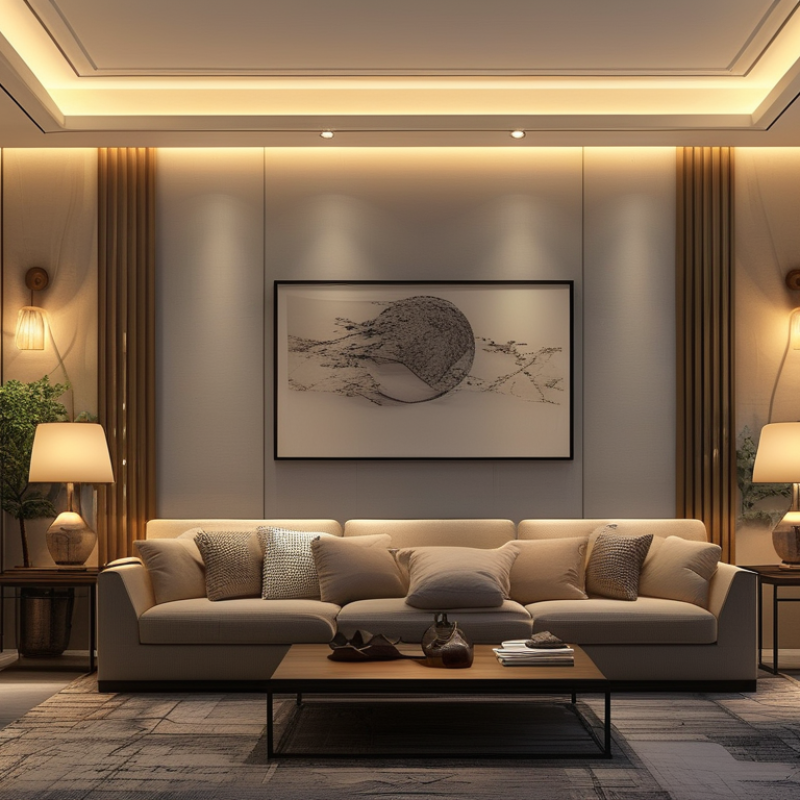
Lighting plays a crucial role in design. Proper light levels enhance function and mood. Poor lighting can lead to discomfort and reduced productivity. Too bright can strain the eyes. Too dim can make tasks difficult. Finding the right balance is essential.
Tips for achieving optimal light levels: Use layered lighting. Combine ambient, task, and accent lighting. This creates depth and dimension. It also allows for adjustments based on activities. Consider color temperatures. Warm lights create a cozy feel, while cool lights promote alertness.
Evaluating existing lighting is important. Notice how spaces feel at different times of day. Bright spots can clash, while shadows might hide details. Make adjustments based on feedback. Gathering input helps refine designs. Sometimes, the most effective changes come from acknowledging what doesn’t work.
Color temperature plays a crucial role in lighting design. Many people misunderstand it, leading to mistakes that impact both aesthetics and functionality. The American Society of Interior Designers reports that poorly chosen color temperatures can hinder visual clarity and overall comfort in a space. For instance, a warm light (around 2700K) can create a cozy atmosphere, while cooler temperatures (above 4000K) often invigorate and enhance focus.
Another common misconception is that higher color temperatures always equate to better visibility. However, studies show that certain environments benefit from lower color temperatures. In retail settings, warm lighting can make products appear more inviting. It encourages customers to linger. A report from the Lighting Research Center emphasizes that a balanced color temperature can enhance mood and productivity.
A frequent oversight is the failure to test various color temperatures in situ. Designers assume a particular light will work based on theory rather than practical application. Data reveals that 70% of lighting projects may not account for the actual space’s attributes. Experimenting with different temperatures can lead to surprising outcomes that better suit the intended use of the area.
| Mistake | Description | Impact on Design | Recommended Action |
|---|---|---|---|
| Ignoring Color Temperature | Using white light without considering warm or cool tones. | Can lead to an uninviting atmosphere. | Select appropriate color temperatures for the space. |
| Over-lighting | Using too many light sources or overly bright fixtures. | Can cause glare and discomfort. | Use dimmers and limit the number of light sources. |
| Neglecting Task Lighting | Failing to provide adequate lighting for specific tasks. | Can result in difficulty seeing or working. | Integrate dedicated task lighting in work areas. |
| Forgetting About Natural Light | Not factoring in sources of daylight in a design. | Can lead to over-reliance on artificial lighting. | Maximize natural light through window placement. |
| Inadequate Dimensional Lighting | Ignoring the three-dimensional nature of a space. | Makes spaces feel flat and uninviting. | Incorporate layers of light (ambient, task, accent). |
| Misplacing Light Fixtures | Inadequate planning of fixture locations. | Can create shadows and dark spots in a room. | Plan fixture placement carefully based on room use. |
| Using Poor Quality Fixtures | Selecting low-quality light sources or fixtures. | May lead to poor light quality and failure. | Invest in high-quality lighting solutions. |
| Ignoring Energy Efficiency | Neglecting the energy consumption of lighting choices. | Increases energy costs and environmental impact. | Choose energy-efficient lighting options. |
| Overcomplicating Controls | Creating overly complex lighting control systems. | Confuses users and limits usability. | Aim for intuitive control simplicity. |
| Neglecting Maintenance | Not planning for the maintenance of fixtures. | Leads to reduced performance and burnout. | Establish a maintenance schedule for all fixtures. |
In interior spaces, natural light plays a critical role. It can transform a room, making it feel more open and inviting. Relying solely on artificial lighting often leads to a lack of warmth and depth. A well-designed space should incorporate windows and skylights to maximize daylight. Use sheer curtains to filter light, creating a soft ambiance.
Neglecting natural light can lead to a heavy reliance on electric fixtures. This may increase energy costs and affect mood. Spaces that lack adequate daylight can feel cramped or lifeless. Consider the position of windows and how sunlight moves throughout the day. A well-placed mirror can reflect natural light, brightening up dark corners.
Ignoring the seasonal changes in daylight is another common mistake. The angle of sunlight shifts with the seasons, impacting how a space is lit. Understand how your room will feel in different times of the year. It’s essential to regularly reassess how natural light affects your design. Embracing this aspect can enhance the overall experience within any interior setting.
Poor fixture placement can dramatically impact a space’s functionality and aesthetic. Imagine a living room where light sources are scattered or misaligned. Shadows can create harsh contrasts, making the area feel unwelcoming. Proper distribution is essential for even illumination. When fixtures are too far apart or clustered in one area, it leads to dark spots and glaring lights, frustrating users.
Achieving balance in light distribution can be tricky. Consider the importance of task lighting versus ambient lighting. A well-lit kitchen should provide bright light for cooking but can also benefit from softer lights in dining areas. Overlooking this can affect mood and productivity. Reflection on the spatial layout is vital. How does natural light enter? Are certain areas neglected? Failing to address these questions can lead to significant oversights. Ensuring effective fixture placement and distribution requires thoughtfulness and a keen eye for detail.
When designing lighting for modern spaces, energy efficiency should never be overlooked. According to a report from the U.S. Department of Energy, lighting accounts for 15% of residential energy use. Using energy-efficient lighting can significantly reduce these costs while minimizing environmental impact.
Many lighting designers still default to traditional incandescent bulbs, ignoring modern technologies. LED lighting, for instance, uses about 75% less energy than incandescent bulbs and lasts 25 times longer. This knowledge is essential for those aiming to create sustainable spaces. Relying solely on aesthetics can lead to increased energy bills and a larger carbon footprint.
Beyond cost savings, energy efficiency enhances the overall user experience. Spaces illuminated with energy-efficient solutions tend to offer better light quality and longevity. Many designers miss this opportunity, focusing mostly on the immediate visual appeal. By not integrating energy efficiency into their designs, they forfeit the benefits of durability and reduced maintenance. This oversight can lead to regret as the costs of traditional lighting accumulate over time.
This chart illustrates common mistakes in lighting design, focusing on their impact on energy efficiency. The data reveals the percentage of designers who overlook key factors when creating lighting solutions.
: Poor placement can harm functionality and aesthetics. It creates harsh shadows and unwelcoming spaces.
Even light distribution prevents dark spots and glaring areas. It enhances comfort and usability in a space.
A kitchen needs bright task lighting for cooking, plus softer ambient light for dining. Balance is key.
Designers must reflect on how natural light enters. Neglected areas can lead to poorly lit spaces.
Lighting uses 15% of residential energy. Energy-efficient solutions lower costs and reduce environmental impact.
Many designers overlook energy efficiency, focusing solely on aesthetics. This can lead to higher energy bills.
LEDs use 75% less energy and last 25 times longer than traditional bulbs. They are the smarter choice.
Costs accumulate over time, leading to regret. It affects both budgets and environmental sustainability.
It improves light quality and durability, enhancing overall comfort in a space.
Designers need to consider both aesthetics and efficiency. This balance is crucial for long-term satisfaction.
When considering what are common mistakes in lighting design, it's essential to recognize the significance of proper light levels in creating functional and aesthetically pleasing spaces. Many designers misunderstand color temperature, leading to unintentional mood shifts in environments. Additionally, failing to incorporate natural light can result in poorly lit interiors that lack warmth and vitality.
Another frequent oversight is the improper placement and distribution of fixtures, which can lead to uneven lighting and create discomfort. Finally, overlooking energy efficiency in lighting solutions not only raises operational costs but also contradicts sustainable design principles. By being aware of these pitfalls, designers can enhance both the visual appeal and functionality of their spaces while remaining eco-conscious.

Lume Light