Designing effective lighting for large industrial spaces is crucial for safety and productivity. According to a report by the Illuminating Engineering Society, proper lighting can improve worker efficiency by up to 20%. However, many facilities still struggle to create optimal environments. This leads to safety hazards and decreased employee morale.
When considering how to design lighting for large industrial spaces, various factors must be taken into account. The size of the area, the nature of the work, and the specific tasks performed significantly impact lighting needs. A 2022 study from the U.S. Department of Energy emphasized that proper illumination reduces accidents by almost 30%. Yet many spaces fail to meet even basic standards.
Incorporating advanced technologies, like LED solutions, can enhance energy efficiency and reduce costs over time. Still, not all facilities are equipped to implement these changes effectively. Reflecting on current lighting strategies is essential. Improvement opportunities often lie in overlooked areas. Ultimately, the objective should be clear: design lighting that enhances both safety and productivity in industrial environments.
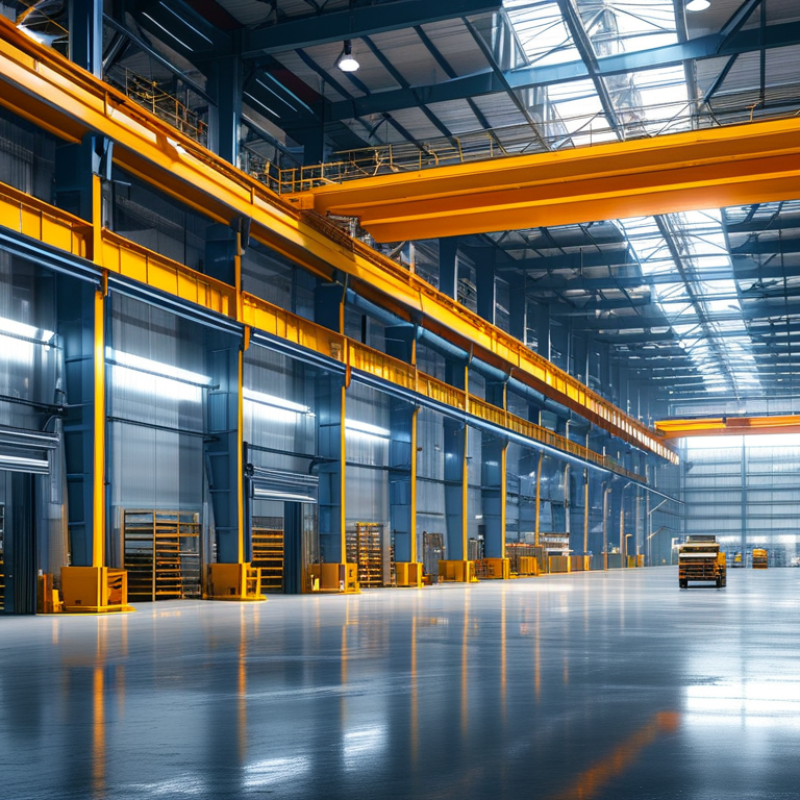
Designing effective lighting for large industrial spaces involves understanding their unique lighting needs. These environments often contain various activities, from heavy machinery operation to quality control. The right lighting enhances productivity and safety. Bright and uniform illumination is essential, but so is the avoidance of glare that could distract workers.
Different areas within an industrial space may require tailored approaches. For example, zones with high ceilings might benefit from high-bay lighting fixtures that deliver focused beams. Yet, this can lead to uneven lighting if not properly calculated. Workers in assembly lines need consistent lighting to minimize errors in their tasks, highlighting the need for thorough planning.
Additionally, energy efficiency should not be overlooked. Selecting the right type of fixtures can significantly reduce energy consumption. However, investing in advanced lighting systems may seem expensive upfront. It requires careful consideration to balance costs with long-term savings. Reflecting on the experiences of others can help guide these decisions, ensuring an optimal combination of functionality and efficiency.
Choosing the right lighting fixtures for large industrial spaces is crucial. Studies suggest that adequate lighting can enhance productivity by up to 20%. In environments with complex tasks, such as manufacturing, visibility is vital. LED fixtures are often recommended for their energy efficiency and long lifespan. They provide focused lighting, which can reduce eye strain for workers.
Different areas within an industrial facility may require varied lighting solutions. For example, high bays are ideal for tall ceilings, providing uniform light across vast spaces. Meanwhile, task lighting is essential in areas where precision is needed, such as assembly lines. An industry report highlighted that poor lighting can lead to a 25% increase in errors. Thus, selecting the right fixtures is not just a matter of illumination but also about maintaining quality and safety.
While choosing lighting, consider the color temperature as well. Cooler light, around 5000K, can improve alertness and performance. However, too bright lighting may cause discomfort and distractions. Balancing brightness and efficiency is often challenging. Engaging with lighting specialists can offer insights into the complicated nature of industrial lighting.
Creating an efficient lighting layout in large industrial spaces is crucial for maximizing coverage and energy savings. A well-designed lighting system can reduce energy consumption by up to 30%, as reported by the Department of Energy. This figure is significant, considering that lighting often accounts for more than 30% of total energy usage in industrial facilities.
To achieve maximum coverage, it's essential to assess the specific needs of the space. Consider the height of ceilings, type of work performed, and the layout of machinery. LED fixtures are a popular choice due to their longevity and efficiency. However, blending different types of lighting, such as task and ambient lights, can enhance visibility and improve worker productivity. Research indicates that optimal lighting can increase productivity by 10-20%.
Evaluating existing lighting setups can reveal gaps and inefficiencies. Some facilities may find that their current systems create shadows or uneven lighting. These issues not only waste energy but can also lead to worker fatigue. Conducting regular audits can help identify these problems. A more reflective paint on walls can also amplify light distribution, offering a cost-effective, quick fix. Consider these strategies while designing your lighting layout for a more efficient and effective workspace.
This bar chart illustrates the estimated energy savings and coverage area achieved by different types of lighting technologies used in large industrial spaces. The data indicates the relative efficiency and usability of LED, Fluorescent, and Halogen lighting solutions.
Effective lighting design for large industrial spaces must prioritize safety and compliance. According to the Occupational Safety and Health Administration (OSHA), proper illumination can reduce workplace accidents by up to 30%. Ensuring sufficient light levels is crucial, especially in areas with heavy machinery and high foot traffic. Ideal light levels typically range from 50 to 100 foot-candles, tailored to the specific tasks being performed.
Incorporating local and national safety standards aids in creating a compliant environment. The American National Standards Institute (ANSI) provides guidelines for lighting that enhance visibility and reduce glare. Additionally, the National Fire Protection Association (NFPA) mandates emergency lighting systems to ensure safe evacuation during power outages. Despite these guidelines, many facilities still struggle with inconsistent lighting levels and inadequate emergency systems.
A reflective approach can improve lighting strategies. Regular audits on light quality can highlight areas for enhancement. Facilities can benefit from investing in technologies that allow for adaptive lighting. However, many hesitate to transition due to concerns about cost. This reluctance can lead to ongoing safety risks. Assessing lighting not only ensures compliance but also fosters a productivity-inspiring environment.
| Lighting Type | Lumens Output | Energy Efficiency (W/m²) | Compliance Standards | Safety Features |
|---|---|---|---|---|
| LED High Bay Lights | 20,000 - 40,000 | 0.14 | ANSI/IES RP-7 | Shatter-resistant lens |
| Fluorescent Lights | 15,000 - 25,000 | 0.18 | NEMA LE 5 | Emergency shut-off |
| Metal Halide Lights | 20,000 - 30,000 | 0.23 | UL 1598 | Lens guard |
| Induction Lights | 30,000 - 50,000 | 0.15 | IEECC | Cool-to-touch design |
Maintaining effective lighting in large industrial spaces is essential for productivity and safety. Regular evaluations of existing lighting setups help identify areas needing improvement. Inspecting fixtures for damage ensures they operate at peak efficiency. Dust and debris can accumulate over time, diminishing light output. A clean environment not only improves illumination but also enhances worker morale.
Implementing a routine maintenance schedule is crucial. This can include changing burnt-out bulbs promptly and adjusting fixtures that have shifted due to vibrations. Workers often notice lighting deficiencies before management does. Encouraging employee feedback amplifies awareness of lighting issues. Sometimes, unexpected challenges arise—like shadows from equipment or glare from windows. These factors can compromise visibility and must be addressed.
Evaluation processes should also consider energy efficiency. Using advanced lighting technology can reduce energy consumption. However, initial installation costs may deter some facilities. Balancing cost and long-term savings is often complicated. Assessing the return on investment becomes essential. Continuous training for maintenance staff ensures they remain knowledgeable about the latest lighting trends and technologies. This proactive approach fosters a culture of safety and efficiency in the workplace.
: Large industrial spaces need bright, uniform lighting for productivity and safety.
Proper lighting design can reduce glare, which distracts workers.
High-bay lighting fixtures provide focused beams but require careful calculation to avoid uneven lighting.
Consistent lighting minimizes errors and enhances task performance in assembly lines.
Choosing energy-efficient fixtures reduces consumption and saves costs in the long run.
OSHA recommends light levels of 50 to 100 foot-candles for safety in busy environments.
Standards from organizations guide the creation of compliant and safe lighting environments.
Many overlook regular audits, leading to inconsistent lighting and safety risks.
The upfront cost of advanced systems can deter facilities despite potential long-term savings.
Adaptive lighting can enhance safety and productivity by adjusting to the environment's needs.
Designing effective lighting for large industrial spaces is crucial to enhance productivity and safety. The process begins with understanding the unique lighting needs of such environments, which often involve high ceilings and extensive areas that require uniform illumination. Choosing the right type of lighting fixtures, such as LED or high-intensity discharge lights, is essential for meeting both functional and energy efficiency goals.
An efficient lighting layout is critical to ensure maximum coverage while minimizing energy costs. This includes strategic placement of fixtures and consideration of reflective surfaces. Additionally, incorporating safety and compliance standards into the design ensures that the lighting not only meets operational needs but also adheres to regulatory requirements. Finally, implementing a regular evaluation and maintenance plan will ensure the longevity and effectiveness of the industrial lighting system. By focusing on these key aspects, one can effectively learn how to design lighting for large industrial spaces.

Lume Light