Selecting LED lights for commercial spaces is crucial for energy efficiency and ambiance. A recent report from the U.S. Department of Energy highlights that LED lighting can reduce energy consumption by up to 75% compared to traditional lighting. This creates significant savings for businesses over time. Understanding how to select LED lights for commercial spaces involves more than just choosing brightness.
According to lighting expert Johnathan Bright, “The right lighting transforms a space, enhances productivity, and improves safety.” Considering factors like color temperature, brightness levels, and placement is vital in the selection process. Each commercial environment may require different lighting solutions. For instance, a retail store might benefit from warm, inviting tones, while an office may need cooler, brighter lights to promote focus.
Despite the advancements in LED technology, many businesses still struggle with effective selection. Misunderstandings about energy ratings or light output can lead to poor choices. Educating oneself about the product specifications will ensure that commercial spaces flourish under the right lighting.
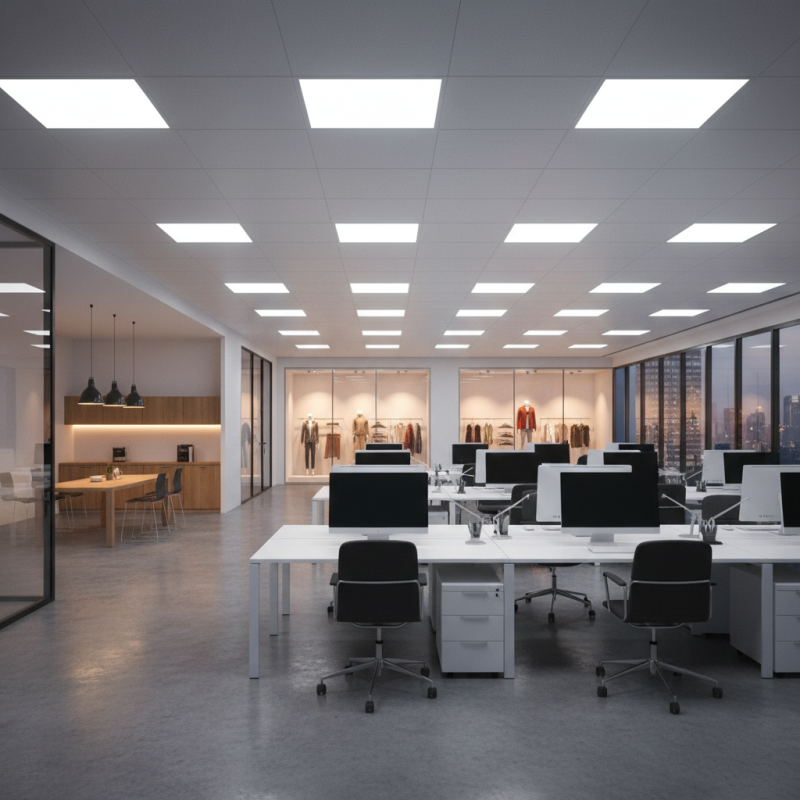
LED lighting has transformed commercial spaces, offering energy efficiency and cost savings. Understanding its importance can significantly impact the success of your business. LED lights produce brighter illumination while using less electricity, reducing utility bills. This is crucial for establishments striving to minimize operating expenses. Moreover, the longevity of LED lights means less frequent replacements, which saves on maintenance costs.
Tips: When selecting LED lights, consider the color temperature. Warmer tones can create a welcoming atmosphere, while cooler tones enhance focus. Ensure that the lumens output matches the function of the space. For instance, retail areas benefit from brighter lighting to showcase products effectively. Restaurants might opt for softer lighting to enhance dining experiences.
It's essential to think about the placement of these lights. Poor placement can result in glare or dark spots. This can be frustrating for employees and customers alike. A well-lit environment promotes productivity and boosts customer satisfaction. Reflecting on your choices regularly helps adapt to changing needs in the space.
| Criteria | Description | Importance |
|---|---|---|
| Lumen Output | Measure of brightness emitted by the light fixture | Essential for achieving adequate illumination levels in commercial areas |
| Color Temperature | Describes the warmth or coolness of light (measured in Kelvin) | Influences mood, productivity, and ambiance in commercial spaces |
| Energy Efficiency | Measure of luminous output per watt of electricity consumed | Reduces energy costs, crucial for long-term financial planning |
| Lifespan | Duration the LED light can operate before needing replacement | Minimizes replacement costs and maintenance efforts |
| Dimming Capability | Ability to adjust brightness according to needs | Enhances flexibility for different activities and times of day |
: LED lighting offers energy efficiency and cost savings. It reduces utility bills and lowers maintenance costs due to its longevity.
Warmer tones create a welcoming atmosphere, while cooler tones enhance focus. Choose according to the space’s function and mood.
Poor placement can cause glare or dark spots. Good lighting boosts productivity and satisfaction for both employees and customers.
There are general-purpose bulbs, high bay lights, and panel lights, each suited for different environments and lighting needs.
Consider color temperature, light output, and dimming options. Measure the space and understand its unique requirements before selecting lights.
Relying solely on high lumen counts can be misleading. Uneven lighting distribution can create visibility issues and affect comfort.
Regularly reflecting on your lighting choices helps adapt to changing needs. It's essential to ensure the lighting suits the current environment.
Yes, often combining different LED types yields the best results, enhancing both aesthetics and functionality in a commercial space.
Selecting LED lights for commercial spaces is crucial for creating an effective and inviting environment. The first step is understanding the importance of LED lighting, which offers energy efficiency and longevity, contributing to significant cost savings over time. Next, it's essential to identify the specific lighting needs tailored to your unique commercial environment, such as the activities taking place and the desired atmosphere.
Once the needs are established, evaluating different types of LED lights is key to finding the right fit for your applications. Comparing energy efficiency and cost-effectiveness among various LED options ensures a sound investment. Finally, assessing brightness and color temperature will help create the optimal ambiance that enhances productivity and customer experience. By following these guidelines on how to select LED lights for commercial spaces, businesses can make informed decisions that align with their goals and improve operational efficiency.

 Lume Light