LED lighting has revolutionized the way we illuminate our environments. Recent industry reports indicate that LED lights can last up to 50,000 hours. This longevity, however, can be impacted by various factors. Knowing how to extend the lifespan of LED lighting is crucial for homeowners and businesses alike.
Inadequate care can significantly reduce LED efficiency. For example, excessive heat exposure can shorten their lifespan. Proper installation and optimal operating conditions are essential. According to the Department of Energy, effective thermal management can improve LED performance by up to 30%. Regular maintenance and thoughtful usage are vital elements of extending lifespan.
Understanding how to extend the lifespan of LED lighting not only saves money but also promotes sustainability. Replacing lights frequently generates unnecessary waste. It's vital to assess lighting needs carefully and implement best practices to maintain performance. Adopting these strategies can lead to a more efficient and eco-friendly lighting solution.
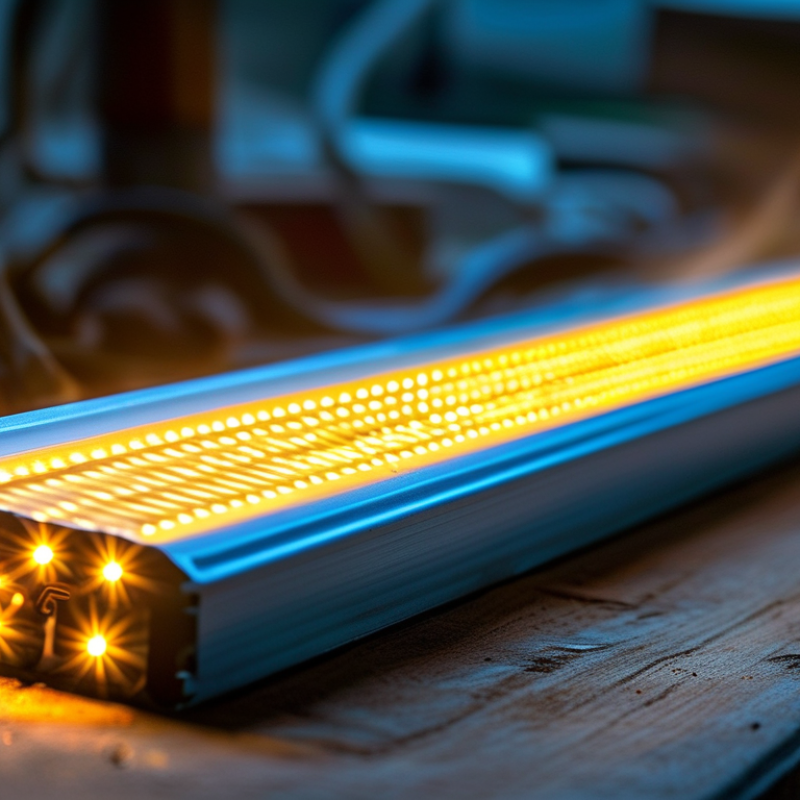
LED lighting has become an essential part of modern illumination. Understanding its lifespan is crucial for both consumers and businesses. The longevity of LED lights can significantly impact energy savings and maintenance costs. On average, an LED bulb can last up to 25,000 hours. This is much longer than traditional bulbs. Many people underestimate this, leading to frequent replacements.
Improper usage can shorten an LED's life. Using the wrong dimmer switches or exposing LEDs to extreme temperatures reduces their efficiency. It's important to use compatible fixtures for optimal performance. Regular cleaning of the bulbs can also enhance their brightness and longevity. Dust and grime can diminish light output.
Consider the environmental impact as well. LED lights consume less energy, which means lower electricity bills. However, they still contain materials that need proper disposal. Knowing how to extend their lifespan not only saves money but also contributes to sustainability. Neglecting maintenance or making poor choices can lead to wasted resources. It’s an area where many can improve.
| Aspect | Importance | Tips to Extend Lifespan | Estimated Lifespan (Hours) |
|---|---|---|---|
| Energy Efficiency | Lower energy costs and reduced environmental impact. | Use dimmers and smart controls to optimize energy usage. | 25,000 - 50,000 |
| Durability | Resistant to shock and vibration, making them ideal for various settings. | Avoid exposure to extreme temperatures and moisture. | 25,000 - 50,000 |
| Quality of Light | Provides better visibility and comfort for users. | Choose bulbs with higher CRI (Color Rendering Index) for better quality. | 25,000 - 50,000 |
| Lower Maintenance Costs | Fewer replacements lead to reduced labor and materials costs. | Perform regular cleaning to avoid dust build-up. | 25,000 - 50,000 |
| Environmental Impact | Longer lifespan means less waste and environmental harm. | Recycle old LED bulbs properly to avoid landfill waste. | 25,000 - 50,000 |
Understanding the factors that affect the lifespan of LED lights is essential for maximizing their efficiency. Heat management plays a crucial role in longevity. Excessive heat can damage the components of the light, leading to premature failure. Proper installation and ventilation can mitigate this risk. It's important to check if the fixtures allow for heat dissipation.
Another significant factor is the quality of the LED driver. A low-quality driver may cause flickering or inconsistent performance, shortening the lifespan of the lights. Investing in reliable drivers can make a difference. Additionally, environmental conditions influence how long LEDs last. High humidity or dust buildup can interfere with their operation. Regular maintenance helps in addressing such issues and ensures optimal performance.
Personal experience shows that factors like usage patterns also impact longevity. Frequent on and off cycles can wear out LED lights faster. It's worth noting that some might overlook these aspects until issues arise. Reflecting on these points can lead to better decisions regarding lighting choices and maintenance practices. By understanding these influences, users can make informed choices that ultimately prolong the life of their LED lighting.
LED lighting is known for its impressive longevity, but there are ways to extend its lifespan even further. To maximize their efficiency, understanding optimal usage is essential. Studies indicate that functioning at lower temperatures enhances LED life. Keeping fixtures clean reduces overheating, significantly improving performance. A dirty lens or cover can decrease light output by up to 30%, leading to premature failure.
Another critical factor is the quality of the LED driver. Poor-quality drivers often lead to flickering and overheating, causing early burnout. The Illuminating Engineering Society emphasizes that using quality components can increase lifespan by over 50%. In addition, proper dimming capabilities can optimize energy use and reduce strain on the lighting system. Such practices align with energy-saving reports showing that an investment in quality details pays off significantly.
Lastly, consider the environment in which LED lights are installed. Exposure to moisture or extreme temperatures can negatively affect their lifespan. A report from the Department of Energy reveals that LEDs in controlled environments can last up to 25% longer than those exposed to harsh conditions. Therefore, awareness of installation settings and careful maintenance can make a substantial difference in longevity.
LED lighting has revolutionized the way we illuminate our spaces, offering energy efficiency and longevity. However, many users unknowingly engage in practices that significantly reduce the lifespan of their LED products. Understanding these common mistakes is essential for maximizing their usage and ensuring value over time.
One major mistake is using incompatible dimmers. Studies indicate that up to 30% of LED failures are linked to the use of traditional dimmers. This can cause flickering or overheating, ultimately shortening the LED life. Another misstep involves excessive heat exposure. LED lights are designed to work in cool environments. If placed in enclosed fixtures without adequate ventilation, they may experience a drastic reduction in lifespan, sometimes by 50% or more.
Additionally, frequent on-off cycling of LED lights can lead to premature failure. It's crucial to consider that these lights are not as tolerant of power surges or frequent switch cycles. Reports suggest that minimizing this behavior can help maintain performance and extend longevity. Small actions taken to avoid these pitfalls can lead to a marked increase in the lifespan of LED lighting, often from an average of 25,000 hours to 50,000 hours. Thoughtful use can make a significant difference.
LED lighting has transformed the way we illuminate our spaces. Understanding how to extend their lifespan brings significant environmental and economic advantages. Longer-lasting LEDs consume less energy over time, resulting in lower electricity bills. This is crucial as many households seek ways to reduce costs and utility expenses.
The environmental impact of longer-lasting LEDs is profound. They use fewer resources, leading to less waste. Since LEDs last longer, fewer replacements are needed. This reduces the amount of discarded materials in landfills. Many people may not realize this simple yet effective approach can contribute to a healthier planet. Encouraging proper use and maintenance of LED lights can enhance their performance.
Additionally, the economic benefits extend beyond initial savings. Saving money on replacements allows consumers to reinvest in other important areas. However, awareness is key. Many users might overlook the importance of proper disposal or the effects of external factors on LED longevity. Regular checks and maintaining optimal conditions can dramatically improve their lifespan and performance. Increasing knowledge can lead to better choices that align with sustainability and frugality.
: On average, an LED bulb can last up to 25,000 hours.
Improper usage, extreme temperatures, and incompatible dimmer switches can reduce their efficiency.
Regular cleaning can enhance brightness and longevity by preventing dust from blocking light output.
Poor-quality drivers can cause flickering and overheating, leading to early burnout of the bulbs.
LEDs in controlled environments can last up to 25% longer than those exposed to moisture or harsh temperatures.
They result in lower electricity bills and reduce the costs associated with frequent replacements.
LEDs contain materials that require correct disposal methods to minimize environmental impact.
Yes, failing to maintain them can lead to wasted resources and reduced lifespan.
Longer-lasting LEDs reduce waste and resource consumption, benefiting the environment over time.
Many users might ignore proper usage, maintenance, and disposal, impacting longevity and performance.
Understanding how to extend the lifespan of LED lighting is essential for both environmental sustainability and economic benefits. LED lights are known for their energy efficiency and longevity, but various factors can affect their operational life, including heat management, electrical surges, and the quality of components used. Implementing best practices, such as using proper fixtures, ensuring adequate ventilation, and avoiding overuse, can significantly enhance the durability of LED lights.
Common mistakes, such as improper installation or neglecting regular maintenance, can lead to reduced lifespan and increased waste. By learning how to extend the lifespan of LED lighting, users not only save on replacement costs but also contribute to a greener planet by reducing landfill waste and energy consumption. Emphasizing longevity in LED lighting choices leads to a win-win situation for both the economy and the environment.

Lume Light