How to Choose Lighting for Garden and Landscape Design?

Time:2026-09-10 Author:Madeline
0%

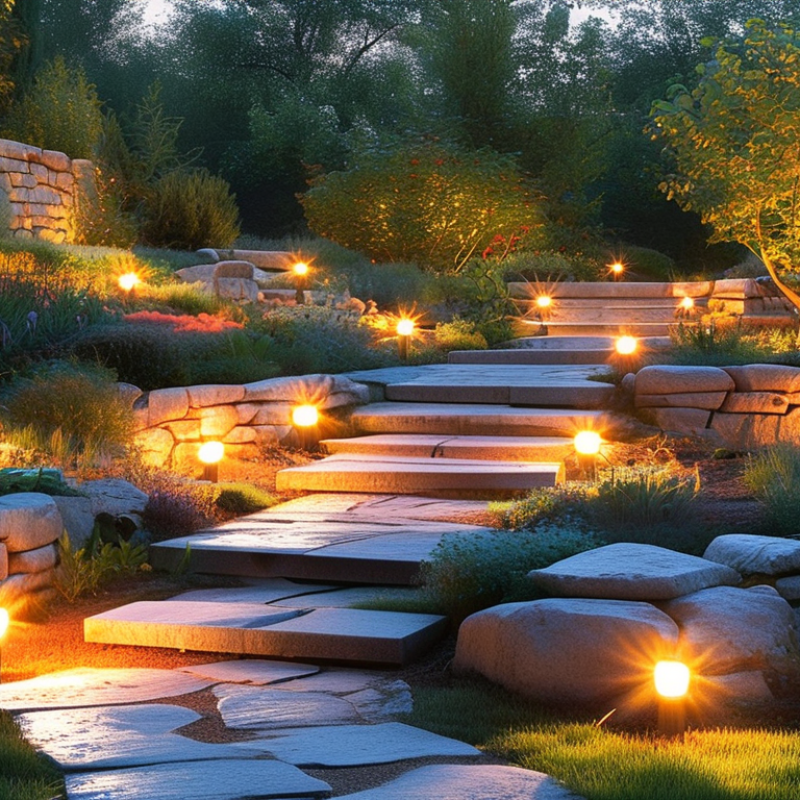
Choosing outdoor lighting is not simply a matter of placing bright fixtures along a path. It requires a careful balance between beauty, safety, function, and environmental responsibility. This guide explains how to choose lighting for garden and landscape design with practical methods used by landscape professionals. It considers planting patterns, walking routes, architectural features, and the atmosphere you want after sunset. A warm light near a stone wall can reveal texture, while soft path lights can guide visitors without flattening the garden’s natural shadows.

Good planning begins with observation. Walk through the garden at night. Notice dark steps, reflective windows, and areas where glare may disturb neighbors. Select fixtures with suitable IP ratings for exposed conditions, and use low-voltage systems installed according to local electrical standards. LED lamps usually offer efficient operation and long service life, but their color temperature still matters. Warm white light often protects a relaxed garden mood better than harsh, cool light. Timers, dimmers, and smart controls can also reduce wasted energy.

My early lighting plans sometimes used too many fixtures. The garden looked bright, but not convincing. That mistake taught me to protect darkness as carefully as illumination. Professional recommendations can help, yet every site remains different. Soil, weather, mature tree growth, and wildlife all affect the final choice. This article will explore fixture types, placement strategies, color, control systems, and common mistakes. The goal is not a perfect formula. It is a thoughtful, adaptable lighting plan that remains safe, attractive, and believable throughout the seasons.
How to Choose Lighting for Garden and Landscape Design?

Assessing Garden Layout, Functions, and Lighting Needs

Good lighting begins with the garden’s layout, not with fixture appearance. I sketch paths, seating areas, steps, trees, and windows before choosing brightness. A narrow walkway needs even guidance. A patio needs softer light at eye level. Entry steps deserve clear, shadow-free visibility. I once placed a bright lamp beside a bench. It made the seating area uncomfortable. The lesson was simple: useful light must serve the activity.

Observe the garden after sunset. Note where people walk, pause, cook, read, or store tools. Wet paving can reflect light sharply, while dense leaves create moving shadows in wind. Use lower levels near resting spaces and stronger, shielded light near changes in elevation. Avoid lighting every plant equally. Dark areas provide contrast and protect the garden’s depth. Light trespass also matters; a lamp aimed toward a bedroom window can disturb sleep. I test temporary lights at dusk and review them from several viewpoints. This method takes time.

Select color and beam direction according to materials and plants. Warm light usually suits timber, brick, and quiet planting beds. Cooler light may reveal pale stone, but it can feel harsh. Check glare while standing where visitors will stand. Keep cables protected, connections weather-rated, and installation compliant with local electrical requirements. I still revise plans after rain, because puddles and wet foliage change reflections. Perfect balance is difficult. That is worth admitting. A successful scheme may use fewer lights than expected, with each one placed for a clear human purpose.

Selecting Suitable Outdoor Fixtures and Light Sources

How to Choose Lighting for Garden and Landscape Design?

Choosing outdoor fixtures starts with the light source, not the fixture’s appearance. The U.S. Department of Energy reports that LED lighting uses at least 75% less energy and lasts up to 25 times longer than incandescent lighting. That matters beside a driveway, where lamps may operate for thousands of hours annually. Select warm white sources around 2700K–3000K for planting beds and seating areas. They reveal bark texture without making foliage look harsh.

Start with the task. Path lights need controlled, downward distribution. Spotlights should highlight one tree, wall, or sculpture without shining into windows. Shielded fixtures reduce glare and help protect night visibility. The International Commission on Illumination identifies spill light and excessive brightness as key forms of obtrusive light. In practice, I prefer fewer fixtures with accurate aiming over many weak lamps. It is less dramatic, but usually more comfortable.

Check durability before installation. Look for an outdoor-rated fixture and confirm its IP classification under IEC 60529. IP65, for example, indicates dust protection and resistance to water jets, but it does not approve permanent underwater use. Color rendering also deserves attention; a CRI of 80 or higher usually preserves natural plant colors. I still sometimes choose a brighter source than necessary, especially near steps. That decision needs reconsideration. The DOE’s Energy Saver guidance supports LED efficiency, yet efficiency cannot compensate for glare, poor aiming, or unnecessary operating hours. Use timers, photocells, or adaptive controls, and test the light after dark before fixing every position.

Planning Light Placement, Layers, and Visual Focus

Garden lighting works best when it is planned like a visual journey, not scattered around the property. Walk through the garden after sunset and note dark steps, hidden edges, and areas worth highlighting. Mark each location on a simple sketch. Keep fixtures away from direct eye level whenever possible. Glare quickly makes a peaceful garden feel harsh.

Create depth with layers Use layers to create depth. Low path lights can guide movement without flattening the scene. Downlights placed in branches create soft shadows across paving and planting beds. Accent lights can reveal a tree trunk, textured wall, or sculptural plant. Keep the brightest light near the main visual focus, then reduce intensity around it. Less light can feel more luxurious.

Light the view from several angles. This prevents every plant from looking like a flat picture. Warm light usually suits foliage, stone, and timber, but color can shift with different surfaces. Test one fixture at night before repeating it across the garden. My first layouts often used too many lights near the patio. The result felt busy. That mistake taught me to remove light, not add it. Check shadows, glare, and reflections after rain. Wet paving can double brightness unexpectedly. Timers and carefully shielded fixtures also improve comfort, reduce waste, and make the design easier to manage.

Choosing Brightness, Color Temperature, and Beam Direction

How to Choose Lighting for Garden and Landscape Design?

Good landscape lighting begins with brightness, not decoration. A path usually needs gentle, even light rather than a harsh spotlight. In my experience, low brightness helps visitors see steps while preserving the garden’s nighttime mood. Test fixtures after sunset. Wet leaves, pale stone, and dark soil reflect light differently. Too much brightness can flatten shadows and make planting areas look artificial.

Color temperature changes the garden’s personality.

Warm light, around 2700K to 3000K, suits timber, brick, flowers, and seating areas. Cooler light may reveal green foliage clearly, but it can feel sharp near living spaces. Keep nearby fixtures within a similar color range. I once mixed warm and cool lamps across a small courtyard. The result looked disconnected. It seemed acceptable on paper, but not outdoors.

Tips:

Aim beams carefully. A narrow beam can highlight a tree trunk or sculpture, while a wider beam spreads light across shrubs. Point fixtures away from eye level and neighboring windows. Use cross-lighting for mature trees, but avoid lighting every branch. Leave some darkness. It gives the garden depth. Check the design from walking height, not only from the patio. Seasonal growth may block beams, so adjustable angles are useful. Recheck the layout after pruning; my first arrangement needed changes.

Ensuring Safe Installation, Energy Efficiency, and Maintenance

Safe landscape lighting begins with the installation, not the fixture’s appearance.

Before digging, map irrigation lines, roots, and existing cables. A fault can hide beneath wet mulch. Use outdoor-rated fittings, sealed connections, and properly grounded circuits. The National Fire Protection Association’s 2023 electrical code guidance emphasizes approved equipment, grounding, and ground-fault protection for outdoor installations. A qualified electrician should verify these details, especially near pools, ponds, or retaining walls. Small shortcuts can create serious maintenance problems later.

Energy efficiency also depends on thoughtful placement.

The U.S. Department of Energy reports that LED lighting uses at least 75% less energy than incandescent lighting. The same report says LEDs can last up to 25 times longer.

That advantage disappears when fixtures run all night without purpose. Use warm, shielded light near paths, steps, and entrances. Aim beams downward, not toward bedroom windows or neighboring properties. Timers, photocells, and motion controls can reduce waste, but controls sometimes fail in heavy rain. They need inspection, too.

I would not choose the lowest wattage automatically; dim paths can still create trip hazards. A balanced design uses enough light for safe movement without washing out the garden.

Maintenance should be practical.

Inspect cables and connectors after storms. Clean lenses when dust, leaves, or irrigation minerals reduce brightness. Check buried fixtures for shifting soil. Replace cracked seals promptly. Keep a simple layout drawing with circuit locations and installation dates. It saves time when one light suddenly stops working.

FAQS

: How should I plan garden lighting before choosing fixtures?

: Map paths, steps, seating, trees, windows, and storage areas first. Light the activity, not every plant. A narrow path needs even guidance. A patio needs softer light near eye level.

How bright should outdoor garden lighting be?

Use gentle brightness for paths and resting areas. Steps need clearer, shadow-free visibility. Avoid excessive brightness. Strong light can flatten shadows and reduce nighttime atmosphere.

Which color temperature suits garden spaces?

Warm light around 2700K–3000K suits timber, brick, flowers, and seating areas. Cooler light can reveal pale stone or foliage. It may feel harsh near windows or living spaces. Keep nearby fixtures visually consistent.

How should I aim garden light beams?

Aim beams downward or toward selected features. Use narrow beams for trunks, sculptures, or walls. Use wider beams across shrubs. Never aim light toward visitors’ eyes or bedroom windows.

Should every plant receive lighting?

No. Leave some planting areas dark. Darkness creates contrast and preserves garden depth. Lighting every branch can make trees look artificial. Less light may work better.

How can I reduce glare and unwanted light?

Choose shielded fixtures with controlled distribution. Check glare from walking height and seating positions. Temporary lights help reveal problems after sunset. I once placed a bright lamp beside a bench. It made the area uncomfortable.

What outdoor durability details should I check?

Choose fixtures rated for outdoor conditions. Check the stated IP classification before installation. IP65 resists dust and water jets, but not permanent underwater use. Protect cables and use weather-resistant connections.

How can I test the lighting layout?

Test lights after dark from several viewpoints. Review paths, windows, wet paving, and nearby seating. Rain can change reflections on leaves and puddles. Seasonal growth may block beams. Plans often need revision.

Conclusion

Learning how to choose lighting for garden and landscape design begins with understanding the garden’s layout, purpose, and atmosphere. Identify key areas such as pathways, entrances, seating spaces, planting beds, water features, and steps, then determine whether each area needs safety lighting, functional illumination, or decorative accents. Select outdoor fixtures and light sources that can withstand weather conditions while matching the landscape’s style and intended use.

A balanced lighting plan combines general illumination, task lighting, and focused accents to create depth and visual interest. Consider brightness, color temperature, and beam direction carefully so plants, structures, and pathways appear natural without excessive glare. Safe installation, efficient energy use, accessible wiring, and routine maintenance are also essential. Thoughtful placement and adjustable controls can improve comfort, reduce energy consumption, and help the landscape remain attractive throughout the year.

Madeline

Madeline

Madeline is a dedicated marketing professional with a wealth of expertise in our company's core offerings. With a keen understanding of the industry, she brings a unique perspective to her role, consistently delivering high-quality content that highlights the superior aspects of our products. As......