As outdoor LED lighting gains popularity in 2026, understanding how to install outdoor LED lighting systems becomes crucial. This guide aims to provide actionable insights for homeowners and DIY enthusiasts. Whether you want to enhance your garden ambiance or improve security, effective installation is key.
In this process, several practical steps come into play. Selecting the right fixtures is just the beginning. You’ll need to consider layout, placement, and power sources. Sometimes, what seems like a simple task can become complicated. Many face issues with wiring and weatherproofing. Reflecting on these challenges is essential for success.
Furthermore, safety is a major concern during installation. Ensure proper grounding and use appropriate cables. Mistakes can lead to accidents, which we must avoid. By carefully following guidelines, you can achieve a stunning outcome. Mastering how to install outdoor LED lighting systems not only brightens your space but also increases its value.
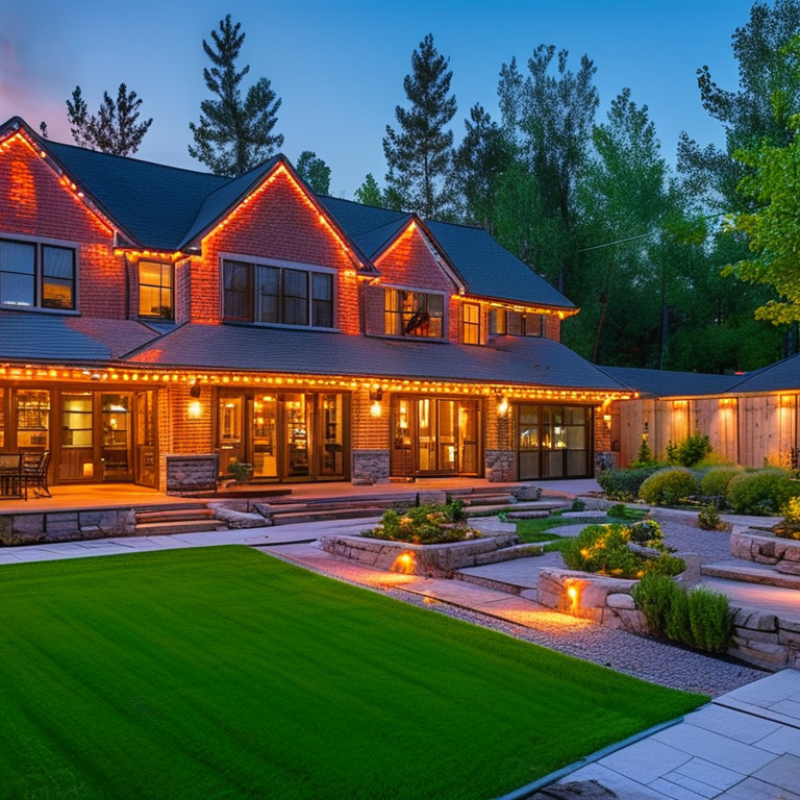
Choosing the right outdoor LED lighting system involves understanding your specific needs. Consider the area you want to illuminate. A large yard may require multiple fixtures. Pathways often benefit from lower lights that enhance safety. Trees or gardens may need uplighting to highlight their beauty.
Think about the purpose of your lighting. Do you want security, ambiance, or both? Motion sensor lights can enhance security. For ambiance, think about color temperature. Warm lights create a cozy feel, while cool lights offer a modern vibe.
Installation can be tricky. Ensure the wiring is safe and suitable for outdoor use. It’s easy to overlook this step. Always check the weatherproof rating of fixtures. Poor choices can lead to frequent replacements. Reflect on your design choices to avoid costly mistakes.
Preparing your outdoor space for LED installation is essential for achieving optimal results. First, assess the area you want to illuminate. Take note of any existing structures and landscaping features. High-quality outdoor lighting can increase property value by up to 15%, according to a report by the National Association of Realtors. This investment pays off in aesthetics and safety.
Consider the layout and design principles before placing fixtures. A well-planned arrangement can highlight architectural features and create focal points. Focus on areas like pathways, patios, and garden beds for maximum impact. Lighting not only enhances beauty but can deter crime, making well-lit areas safer.
To ensure a smooth installation, clear the area of debris and test power sources in advance. Check for any underground utilities to prevent accidents.
Remember, not every angle will look great. Testing different positions can help find the best arrangement for your space. Always stay open to adjustments. A survey from the American Lighting Association noted that even small changes can result in significant improvements in outdoor experiences.
Installing outdoor LED lighting systems in 2026 is easier than ever. LED technology has advanced significantly. According to a report from the Department of Energy, LED lights can save up to 75% more energy compared to traditional incandescent bulbs. This not only reduces energy costs but also helps the environment.
When installing LED fixtures, start by planning your layout. Consider the areas that need illumination. Mark the locations for your lights, aiming to achieve even coverage. Next, dig holes for the fixtures, ensuring they are in the ground securely. Follow the manufacturer's instructions for wiring. It's essential to connect wires properly to avoid any short circuits.
During installation, remember these points. Choose weather-resistant fixtures suitable for outdoor use. Keep in mind the height at which you install the lights. Too high can reduce effectiveness, while too low may create glare. Each fixture should provide optimal lighting without oversaturation. Reflect on the placement and adjust if necessary. Your outdoor space should feel inviting, not overwhelming.
When considering outdoor LED lighting, proper wiring and power setup are crucial. The International Energy Agency states that transitioning to LED lighting can reduce outdoor energy consumption by up to 75%. However, effective installation requires careful planning.
Start with a reliable power source. Many outdoor LED lights operate on low voltage, typically around 12 volts. Using a transformer can safely convert standard voltage to low voltage. This step enhances safety, especially in wet conditions, reducing the risk of electrical hazards. Consulting the National Electric Code (NEC) ensures compliance with safety standards.
Wiring placement needs attention. The cables should run underground to protect them from environmental damage. This method, however, must consider the depth, as improper installation may lead to future complications. Many DIY enthusiasts overlook the importance of marking locations for underground wiring. Recognizing potential obstacles, such as tree roots or existing landscaping, is essential. These factors can complicate the installation process and may lead to costly refinishing efforts later. Overall, while installing outdoor LED lighting can seem straightforward, it's pivotal to account for these essential wiring and power considerations.
| Dimension | Details |
|---|---|
| Power Source | 120V AC or Solar Power Options |
| Wattage | 10W - 50W depending on application |
| Lumen Output | 800 - 5000 lumens |
| Installation Ease | DIY-friendly with minimal tools |
| Control Options | Manual Switch, Remote Control or Smart App |
| Weather Resistance | IP65 rated for water and dust resistance |
| Estimated Lifespan | 25,000 - 50,000 hours |
| Typical Applications | Gardens, Pathways, Security Lighting |
Maintaining your outdoor LED lighting system is essential for optimal performance and longevity.
Regular checks can prevent issues before they become costly repairs.
According to a report by the U.S. Department of Energy, improper maintenance can lead to a 20% decrease in energy efficiency.
Simple tasks, like cleaning fixtures and checking connections, matter significantly.
Troubleshooting can sometimes be daunting. A flickering light may indicate a loose connection or a failing driver.
Research shows that over 60% of LED issues arise from electrical connections.
Regularly inspecting cables and connections can save time and enhance your system's reliability.
Utilizing a multimeter to measure voltage can help in identifying problematic areas.
Even with good intentions, issues can arise.
Not all LED products are made equally, and some may have shorter lifespans than expected.
Understanding the expected lifespan of your components is crucial.
Awareness of these challenges can lead to smarter choices in component selection and maintenance strategies.
: Assessing the space ensures optimal results and highlights valuable features like pathways and gardens.
Quality outdoor lighting can enhance property value by up to 15%, boosting aesthetics and safety.
Clear debris and test power sources. This will prepare the area for an easier installation.
Testing different angles helps find the best arrangement. Stay open to making adjustments.
Focus on layout and height. Both aspects affect visibility and comfort in the outdoor space.
Many outdoor LEDs operate on low voltage, usually around 12 volts, ensuring safety in wet conditions.
Running cables underground protects them from damage. Improper installation can lead to future complications.
Wiring depth is important to avoid future issues. Be mindful of existing landscaping and obstacles.
Installing lights too high may reduce effectiveness, while too low may cause glare or discomfort.
Not every angle will look good. Reflecting on placement helps create a more inviting atmosphere.
This article provides a comprehensive guide on how to install outdoor LED lighting systems easily in 2026. It starts by helping you choose the right outdoor LED lighting system tailored to your needs, considering factors like brightness, style, and energy efficiency. Next, it discusses the importance of preparing your outdoor space for LED installation, ensuring a clean and safe environment.
The guide then offers a step-by-step approach to installing LED fixtures, including details on securing lights and ensuring proper placement for maximum illumination. Wiring and power considerations are also addressed, highlighting safe practices and energy-saving techniques. Finally, the article covers maintenance tips and troubleshooting common issues, ensuring your outdoor LED lighting system remains functional and efficient. With this complete resource, you'll be well-equipped to enhance your outdoor spaces safely and effectively.

Lume Light