Installing outdoor LED lighting systems can enhance any exterior space. As Steve Johnson, a lighting installations expert, emphasizes, “Proper installation is key to safety and efficiency.” Understanding how to install outdoor LED lighting systems is crucial for both aesthetics and security.
Outdoor lighting can illuminate pathways and enhance landscaping. However, improper installation can lead to hazards. Without proper knowledge, homeowners may face wiring issues or electrical risks. Choosing high-quality LED fixtures also matters. They are energy-efficient and offer longevity if installed correctly.
Many find the installation process daunting. But with the right guidance and tools, it can be manageable. It's important to consult reliable resources. Engaging with professionals ensures safety and decreases potential problems. The journey of how to install outdoor LED lighting systems begins with careful planning and understanding of local regulations.
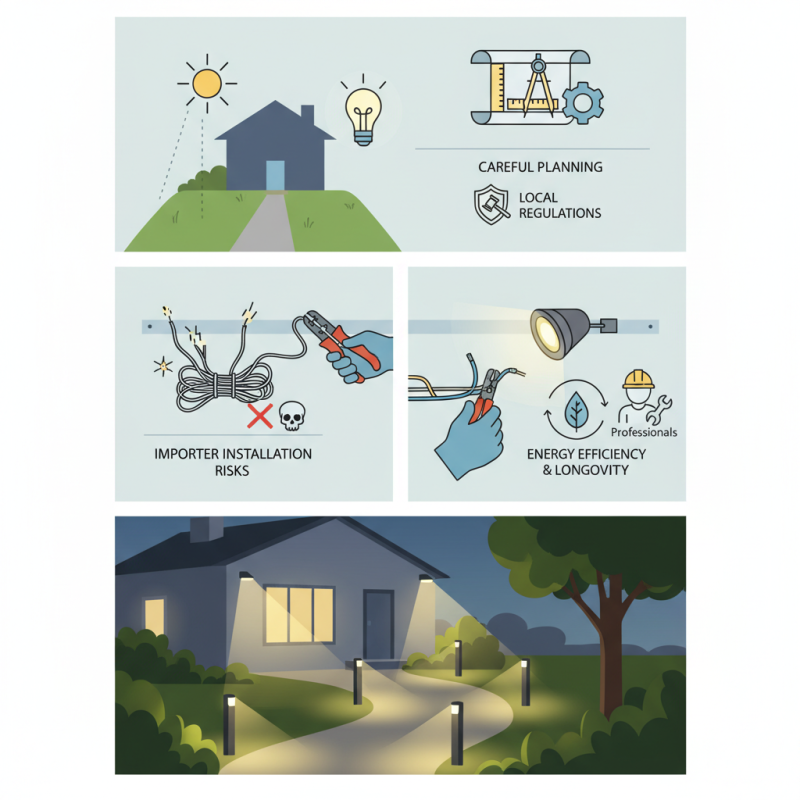
Choosing the right outdoor LED lighting system involves understanding your specific needs. Consider the size of your outdoor space. A small garden may only require a couple of fixtures, while a larger patio might need several lights.
Think about the purpose of the lighting. Are you looking to enhance security, or is it for ambiance? Pathway lights can guide guests safely while decorative lights create a warm atmosphere. You should also consider the brightness. High lumens offer more light but can be overwhelming in a cozy setting.
Also, evaluate the installation area. Some lights may require additional wiring or permits. It’s vital to choose fixtures rated for outdoor use. Water and debris can lead to costly damage. Remember, not every product will be perfect for your situation. Testing different placements might be necessary. Be prepared to adjust and rethink your strategy.
Installing outdoor LED lighting systems requires the right tools and materials. To begin, you'll need basic tools like a screwdriver, pliers, wire cutters, and a level. Having a voltage tester is also essential for safety when working with electrical systems. Extra wiring, connectors, and weatherproof junction boxes ensure your setup is secure and functional.
Choosing the correct LED lights is vital. Look for outdoor-rated options to resist moisture and temperature changes. You should also consider using dimmers for mood adjustments. Be mindful that poorly designed systems may lead to flickering or inadequate brightness. Assess the area you want to illuminate before purchasing.
**Tips:** Always turn off the power at the circuit breaker before starting. Verify local code requirements to avoid issues. Consult with professionals if you're unsure about installation procedures. Remember, taking shortcuts can lead to unsafe conditions later on.
| Tool/Material | Purpose | Quantity Needed | Safety Precautions |
|---|---|---|---|
| LED Light Fixtures | Main lighting source | Varies depending on installation | Check for water resistance rating |
| Low Voltage Transformer | Converts high voltage to low voltage | 1 | Ensure proper grounding |
| Wire Connectors | Connects electrical wires | Several | Use waterproof connectors |
| Electrical Tape | Insulate electrical joints | 1 roll | Ensure it’s suitable for outdoor use |
| Drill with Bits | For installing fixtures | 1 | Wear safety goggles |
| Ladder | Access high areas | 1 | Ensure stability on ground |
| Gloves | Hand protection | 1 pair | Choose cut-resistant material |
Installing outdoor LED lighting can enhance safety and aesthetics. The process requires careful planning and execution. Begin by selecting the suitable fixtures based on your needs. For instance, path lights can improve visibility along walkways, while floodlights can illuminate larger areas. According to the U.S. Department of Energy, switching to LED lighting can save up to 75% on energy costs compared to traditional bulbs.
Next, plan the layout. Mark the locations for each light fixture. Ensure the spacing allows for even coverage. Use low-voltage lighting systems for safety. The National Electric Code highlights proper handling of low-voltage systems to prevent electrical hazards. It's crucial to check local regulations and guidelines before installation.
When installing, dig trenches for underground wiring carefully, ensuring you don't disrupt existing utilities. Securely attach the fixtures and connect the wires. Test the system before burying wires. This step helps identify issues early on. Remember, even experienced installers can encounter unexpected challenges. Thus, always have a backup plan. Data from the Lighting Research Center indicates that improper installation can lead to inefficiencies, diminishing the benefits of your new lighting system. Proper installation ensures longevity and performance.
Installing outdoor LED lighting offers beauty and safety, but it requires careful attention to safety precautions. Ensuring your safety during installation is paramount. Always wear protective gear. Gloves and safety glasses can prevent injuries. Moreover, check local regulations for outdoor installations. They can guide your light placement and wiring.
Before starting, turn off electricity at the breaker. Use a voltage tester to confirm there is no power. This step is crucial to avoid shocks. If you’re digging to place lights, be aware of underground utilities. Use a utility marking service if unsure. Digging can break lines, posing serious hazards.
Tips:
Always have a buddy system. Working alone increases risks. Partnering with someone provides immediate help if necessary. Invest in quality tools designed for outdoor use. They are safer and will last longer. Do self-checks during the process. Review your methods, ensuring they align with best practices. Taking a moment can prevent errors and accidents.
Maintaining outdoor LED lighting systems is key to ensuring their longevity and efficiency. Regularly inspect your fixtures for signs of wear, such as cracks or corrosion. These can lead to more significant issues over time. Schedule routine checks every few months to identify any problems early.
Tips: Use a soft cloth to clean the fixtures, removing dirt and debris. Avoid using abrasive cleaners that could damage the finish. It’s also wise to check the connections; loose wiring can cause flickering or outages.
If your lights flicker or don’t turn on, troubleshooting is essential. First, check the circuit breaker. A tripped breaker can be the simplest fix. If the issue persists, look for blown fuses in your lighting system. Sometimes, the problem may be deeper in the wiring. If you're unsure, consult a professional for safer handling.
Tips: Document your maintenance actions to help track problems. This log can reveal patterns that might need expert attention. Regular maintenance can prevent larger issues and keep your outdoor lighting functioning beautifully.
: Basic tools include a screwdriver, pliers, wire cutters, and a level. A voltage tester is essential too.
Using outdoor-rated lights is crucial. They resist moisture and temperature changes effectively.
Always wear gloves and safety glasses. They help prevent injuries while working.
Turn off the power at the circuit breaker. Use a voltage tester to confirm no power is present.
Be aware of underground utilities. Consider using a utility marking service to avoid hazards.
No, working alone increases risks. Have a partner for immediate help if needed.
Perform self-checks throughout the project. Review your methods to ensure they meet best practices.
In this article, we delve into how to install outdoor LED lighting systems effectively and safely. Beginning with choosing the right outdoor LED lighting system tailored to your specific needs, we highlight the essential tools and materials necessary for a successful installation. The step-by-step installation process is covered in detail, ensuring that even beginners can follow along.
Moreover, we emphasize the importance of adhering to safety precautions throughout the installation to prevent accidents and ensure long-lasting functionality of the lighting systems. Lastly, guidance on maintaining and troubleshooting your outdoor LED lighting is provided, ensuring that your outdoor space remains well-lit and inviting for years to come. This comprehensive guide serves as a reliable resource for anyone looking to enhance their outdoor lighting safely and efficiently.

Lume Light