In today's industrial landscape, understanding "what is LED industrial lighting" is essential. Renowned lighting expert Sarah Thompson once stated, "LEDs are the future of industrial lighting." This statement reflects the growing importance of LED technology in enhancing productivity and safety.
LED industrial lighting uses light-emitting diodes to create bright, efficient illumination for various industrial applications. These lights are not only energy-efficient but also have a longer lifespan compared to traditional lighting. The immediate brightness and reduced heat generation make them ideal for warehouses and manufacturing facilities. However, there are challenges to consider. Not all LEDs are created equal; the quality varies significantly.
Another aspect to ponder is the upfront cost. While LED systems may require a higher initial investment, the long-term savings on energy and maintenance can be substantial. Businesses must weigh the benefits against their budgets. In a world where lighting options are plentiful, comprehending "what is LED industrial lighting" helps navigate these choices more effectively.
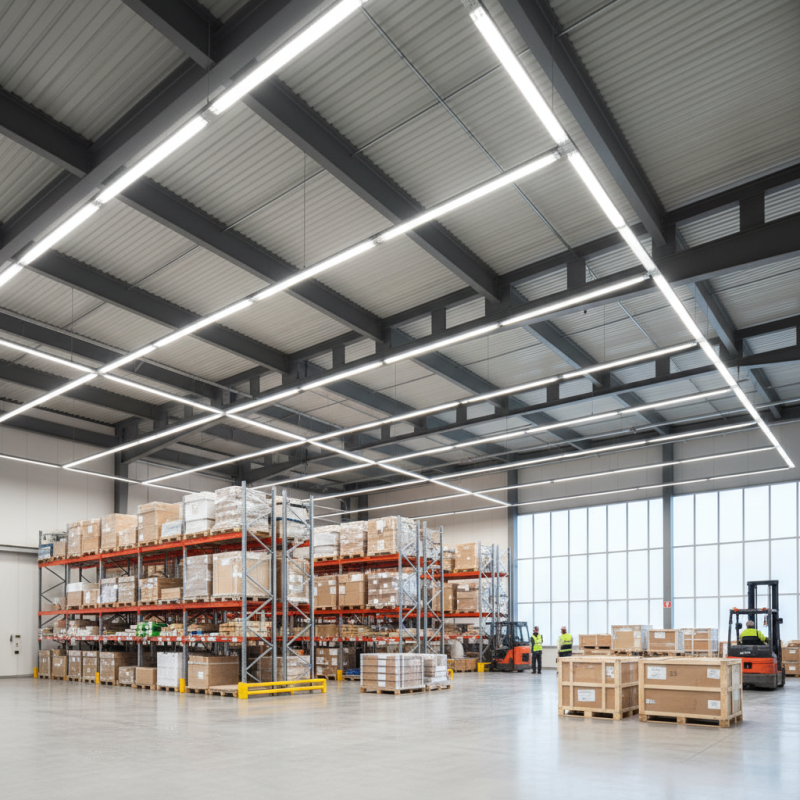
LED industrial lighting refers to powerful, energy-efficient lighting solutions specifically designed for industrial settings. This technology utilizes light-emitting diodes (LEDs) as the primary light source. According to a recent industry report, LED lighting can reduce energy consumption by up to 80% compared to traditional options. This significant reduction can lead to lower operational costs for factories and warehouses.
In addition to energy savings, LED industrial lighting offers improved lifespan and durability. While traditional bulbs may last around 1,000 hours, LEDs can last over 50,000 hours. This longevity reduces maintenance costs and minimizes downtime. However, the initial investment can be a barrier, and some facilities struggle to transition to this technology. The long-term benefits often outweigh these initial challenges, but not every facility is on board yet.
Moreover, LED lighting provides better color rendering and visibility, which can enhance workplace safety. Reports indicate that optimal lighting can increase productivity by up to 20%. Yet, the implementation of effective lighting often remains overlooked. Many facilities still use outdated lighting systems, risking employee safety and productivity. Evaluating these factors is essential for making informed decisions about industrial lighting solutions.
LED industrial lighting has transformed how we illuminate workspaces. Key components of these systems play a crucial role in their efficiency. At the heart of LED lighting are the diodes, which emit light when an electric current passes through them. These diodes are energy-efficient and have a long lifespan, making them ideal for industrial settings. The overall design of the fixture can impact light distribution and intensity.
The power supply is another essential component. It converts the electrical current from the outlet into a suitable form for LED diodes. Without a reliable power supply, the performance of LED lighting can be inconsistent. Furthermore, heat sinks are critical for dissipating heat emitted by the diodes. If heat is not managed, it can shorten the lifespan of the lighting system.
Reflectors and lenses also enhance the performance of LED lights. They help direct the light, reducing waste and improving visibility. However, designs must be carefully considered. Poorly designed reflectors can lead to hotspots or uneven lighting. Such issues need to be addressed for optimal functionality. Effective LED industrial lighting systems require a balance of these components to ensure longevity and efficiency.
LED technology is transforming industrial lighting. Unlike traditional systems, LEDs use semiconductors to create light. This method is efficient and provides high-quality illumination. The ability to direct light precisely reduces energy waste. In industrial settings, this means brighter workspaces without excessive heat.
LEDs also have a long lifespan. They can last up to 50,000 hours, which is appealing for businesses. Many facilities struggle with frequent bulb replacements. This can interrupt operations and lead to increased maintenance costs. Fewer replacements mean lower long-term expenses. However, not all LED fixtures are the same, and some may not perform optimally.
In addition, color temperature plays a crucial role in productivity. Cool white light can enhance focus, while warmer tones might create a relaxed atmosphere. Yet, balancing these factors is often overlooked. Companies should assess their specific needs. Different tasks require different lighting conditions. Understanding this can lead to better lighting choices and improved work efficiency.
This chart compares the luminous efficacy of different types of industrial lighting, including LED, HID, Fluorescent, and Incandescent. LED lighting demonstrates a significantly higher luminous efficacy, making it a more energy-efficient option for industrial applications.
LED industrial lighting has transformed the way industries illuminate their spaces. This technology provides a myriad of benefits, contributing to both efficiency and safety.
LED lights are energy-efficient, consuming significantly less power than traditional lighting. This means lower electricity bills for companies, which can be a substantial saving over time.
Another major advantage is their longevity. LED lights last much longer than incandescent or fluorescent options. This reduces the need for frequent replacements and maintenance. Less time spent on changing bulbs can result in improved productivity. However, the initial setup cost can be high. It's essential for businesses to weigh the long-term benefits against the upfront cost.
Additionally, LED lighting enhances visibility in work environments. Brighter, clearer lighting can reduce workplace accidents and improve overall employee morale. Some facilities might struggle with the throw of LED light. It can create harsh contrasts if not properly installed. Thoughtful planning is needed to maximize the benefits while minimizing any potential drawbacks.
LED industrial lighting is rapidly transforming various industries through its efficiency and versatility. In manufacturing, LED lights provide bright, focused illumination, essential for precision tasks. They reduce shadows and enhance visibility. In warehouses, LED lights improve safety and efficiency. They illuminate large spaces, making it easier for workers to navigate, especially during night shifts.
Consider the food processing sector. Here, proper lighting is crucial for hygiene and quality control. LED fixtures are often sealed to prevent contamination. They offer significant energy savings compared to traditional lighting, which can be critical in this industry. However, the initial investment in LED technology can be daunting for some. It's essential to weigh the long-term savings against upfront costs.
Tips: When choosing LED lights, think about lumens, not watts. Higher lumens mean brighter light. Also, consider the color temperature. A warmer light is often more inviting for retail spaces. Remember, every space is unique. Don’t hesitate to experiment with different setups to find what works best.
| Industry | Application | Benefits of LED Lighting |
|---|---|---|
| Manufacturing | Production Line Lighting | Energy Efficiency, Long Lifespan |
| Warehousing | Ambient and Task Lighting | Reduced Energy Costs, High Brightness |
| Agriculture | Greenhouse Lighting | Promotes Growth, Custom Spectrums |
| Construction | Job Site Lighting | Durability, Reduced Maintenance |
| Retail | Display and Accent Lighting | Enhanced Product Visibility, Energy Savings |
| Healthcare | Surgical and Exam Room Lighting | High Color Rendering, Reduced Eye Strain |
: LEDs use semiconductors to create light. This method is efficient and reduces energy waste.
LEDs can last up to 50,000 hours. This reduces the need for frequent bulb replacements.
LED lights consume less power, leading to lower electricity bills over time.
Color temperature affects productivity. Cooler light enhances focus, while warmer light fosters relaxation.
Not all LED fixtures perform similarly. Some may not provide optimal lighting quality.
Poor installation can create harsh lighting contrasts. Thoughtful planning is essential for effective use.
Companies need to assess their specific lighting needs. Different tasks require various lighting conditions.
Yes, brighter lighting can reduce workplace accidents. Enhanced visibility boosts employee morale too.
Yes, setup costs can be high. Businesses should weigh long-term savings against upfront expenses.
Reduced maintenance time from longer-lasting bulbs can improve overall productivity in the workplace.
LED industrial lighting refers to the use of light-emitting diodes (LEDs) in various industrial settings to provide efficient and effective illumination. This lighting solution is characterized by its key components, which include LED bulbs, drivers, and heat sinks, all designed to enhance performance and longevity. Understanding how LED technology works is essential, as it involves converting electricity into light with minimal energy loss, resulting in lower heat generation and increased durability.
The advantages of using LED lighting in industry are numerous, including energy efficiency, cost savings, and reduced maintenance requirements. These lights have a long lifespan and can significantly lower operational costs. LED industrial lighting is widely applied in various sectors, from manufacturing and warehousing to logistics and more. By addressing the question of what is LED industrial lighting, it’s clear that this technology offers substantial benefits that make it an ideal choice for modern industrial applications.

Lume Light