How Does LED Lighting Enhance Energy Efficiency for Businesses?

Time:2026-05-01 Author:Charlotte
0%

LED lighting has transformed the way businesses approach energy consumption. Today, many companies seek innovative solutions to reduce costs and environmental impact. Understanding how does LED lighting improve energy efficiency is essential for making informed decisions.

Energy-efficient lighting significantly impacts a business’s bottom line. By reducing electricity use, LED lights help lower utility bills. Studies show that LEDs consume up to 75% less energy than traditional options. This enormous reduction can lead to substantial savings over time.

Moreover, the longevity of LED bulbs minimizes replacement frequency. This means fewer labor costs and less waste. Different settings, from offices to retail spaces, can benefit from LEDs' versatility. However, the initial investment may be daunting. Evaluating the long-term benefits can be challenging for some businesses. Ultimately, the advantages often outweigh the drawbacks. Adopting LED lighting is a step towards sustainability, and it invites a broader reflection on energy practices.
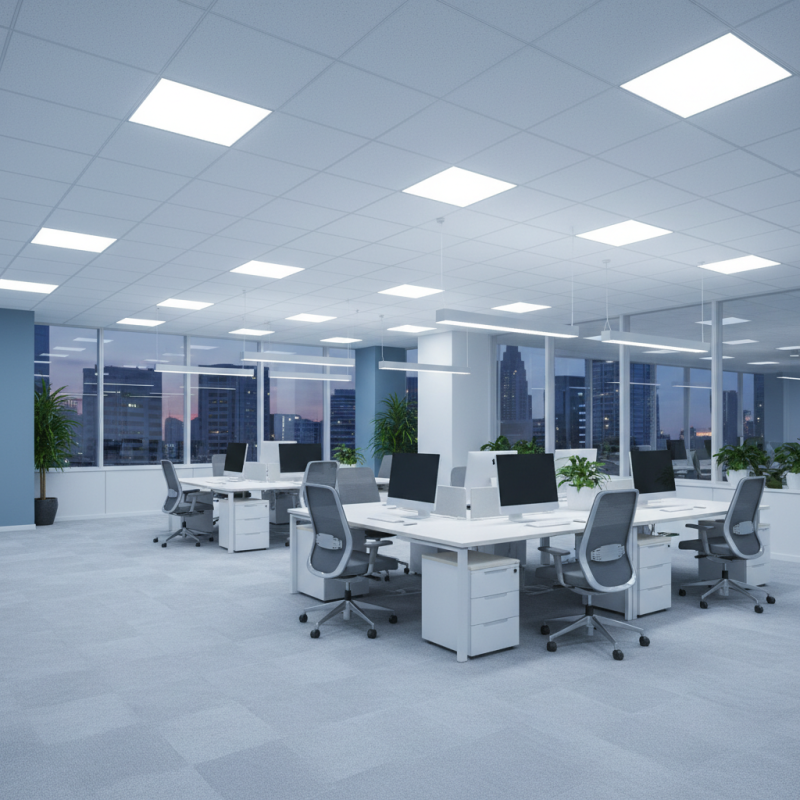
How Does LED Lighting Enhance Energy Efficiency for Businesses?

The Basics of LED Lighting and Energy Efficiency

LED lighting has transformed the way businesses approach energy efficiency. Unlike traditional lighting, LEDs use less energy while providing better illumination. This results in significant cost savings over time. With their longer lifespan, replacing bulbs less often minimizes waste and maintenance expenses.

One key aspect of energy efficiency is understanding the color temperature of LED lights. Different colors influence productivity and mood. Warmer tones create inviting spaces, while cooler tones are ideal for task-oriented environments. Choose the right hue to enhance the atmosphere of your workspace.

Tips for using LED lighting effectively:

  • Place LED lights in high-traffic areas for maximum impact.
  • Use dimmers to control brightness and save energy based on needs.
  • Regularly review lighting layouts to identify improvements.

Business owners must consider the initial investment of LEDs; it can be higher than traditional bulbs. However, the long-term benefits outweigh these initial costs. Energy efficiency is not just about lower bills; it’s about creating a sustainable workspace for employees and clients. Reflect on your current lighting and consider the potential for improvements.

Comparative Analysis: LED vs Traditional Lighting Solutions

When comparing LED lighting to traditional solutions, the differences in energy efficiency become clear. LEDs consume significantly less power. They convert most of their energy into light rather than heat. This feature reduces cooling costs in warm climates, allowing businesses to save more.

In contrast, traditional lighting, like incandescent bulbs, waste a lot of energy. They not only use more electricity but also require more frequent replacements. This can lead to higher maintenance costs. Over time, the savings from switching to LEDs can be substantial. However, the initial investment in LED technology may cause hesitation for some companies.

Moreover, while LED lights have a longer lifespan, they can sometimes present challenges in compatibility with existing fixtures. Businesses need to assess their current setups carefully. Transitioning without proper planning might lead to inefficiencies. Careful evaluation of energy usage is essential. The overall benefits of LEDs, including lower energy bills and longer lasting solutions, often outweigh these considerations.

Cost Savings from Reduced Energy Consumption with LEDs

LED lighting is transforming how businesses approach energy efficiency. Traditional lighting can consume a substantial portion of a business's energy budget, sometimes reaching 20% of total consumption. In contrast, LED lights use at least 75% less energy than incandescent bulbs. This shift not only lowers energy bills but also significantly reduces greenhouse gas emissions. For example, switching to LED can lead to annual savings of about $1,200 for a typical commercial business.

The energy savings with LED technology are backed by industry research. According to the U.S. Department of Energy, widespread adoption of LED lighting could save the United States over $30 billion by 2027. The initial investment in LED fixtures may be higher, yet their long lifespan—often exceeding 25,000 hours—means fewer replacements and lower maintenance costs. These long-term cost reductions can be crucial for budgeting in various sectors.

However, businesses need to evaluate their specific needs before making a switch. Transitioning from conventional lighting to LEDs can involve upfront costs and require planning. Some organizations may struggle with outdated wiring or insufficient fixtures support. Balancing initial investments with long-term savings presents a challenge that requires careful consideration and strategy. The promise of LEDs is strong, but executing the switch must be approached thoughtfully.

The Environmental Impact of Switching to LED Lighting

Switching to LED lighting can significantly reduce a business's environmental footprint. According to the U.S. Department of Energy, LED lights use at least 75% less energy than traditional incandescent bulbs. This drastic reduction lowers greenhouse gas emissions, contributing to a healthier planet.

The energy efficiency of LEDs leads to decreased energy demand. A reduction in energy consumption translates to less fossil fuel use in power generation. This change can keep over 1.2 billion tons of carbon dioxide out of the atmosphere each year, based on estimates from the International Energy Agency. Businesses may also benefit from local and federal incentives for energy-efficient upgrades.

While the transition to LEDs presents many advantages, it is not without challenges. Some companies may face initial high costs for purchasing LED systems. Additionally, the lifetime of LED bulbs can be affected by external factors such as heat and humidity. Investing in quality fixtures is essential for achieving long-lasting benefits and maintaining environmental goals. The shift to LED lighting requires careful planning and evaluation to fully maximize its potential.

Case Studies: Successful LED Implementation in Various Industries

LED lighting significantly improves energy efficiency across various industries. A retail store in San Francisco replaced its traditional bulbs with LED fixtures. This switch resulted in a 60% reduction in energy costs. The store also noted a longer lifespan for LEDs, which reduced maintenance expenses.

An office building in New York City experienced similar benefits. After converting to LED lighting, they achieved a brighter work environment and better employee satisfaction. Employees reported feeling more alert and productive. The building's energy consumption dropped by 50% within a year.

**Tips:** Consider using smart lighting controls to maximize efficiency. Dimmer switches and timers can further enhance savings. When evaluating options, don’t forget to assess the color temperature. Cooler light can enhance mood but may not be suitable for all settings. Balancing aesthetics and functionality is crucial for success. Reflect on the unique needs of your space to optimize your lighting strategy.

Impact of LED Lighting on Energy Savings Across Industries

FAQS

: What are the benefits of LED lighting?

: LED lighting uses less energy, offers better illumination, and lowers costs over time.

How does color temperature affect lighting?

Different colors can influence productivity. Warmer tones create inviting spaces, while cooler tones enhance focus.

Where should I place LED lights?

Position LEDs in high-traffic areas for maximum impact and better visibility.

Are there any downsides to LED lighting?

Initial investment can be high, and compatibility issues with existing fixtures may arise.

How does LED lighting impact the environment?

LEDs use 75% less energy than traditional bulbs, reducing greenhouse gas emissions significantly.

Can I control the brightness of LED lights?

Yes, using dimmers allows you to manage brightness based on specific needs.

What should businesses evaluate before switching to LEDs?

Companies need to assess current setups and energy usage to ensure an efficient transition.

How can I enhance the effectiveness of LED lighting?

Regularly review your lighting layout and make adjustments for energy efficiency.

What long-term savings can I expect from LEDs?

Savings accumulate from lower energy bills and reduced maintenance costs over time.

What should I consider when buying LED fixtures?

Investing in quality fixtures is vital for durability and achieving long-term benefits.

Conclusion

LED lighting has transformed the landscape of energy efficiency for businesses by significantly reducing energy consumption compared to traditional lighting solutions. The basics of LED technology highlight its ability to produce more light per watt, which directly translates to lower electricity bills for organizations. A comparative analysis demonstrates that, while the initial investment in LED lighting may be higher, the long-term savings from reduced energy consumption and maintenance costs can be substantial.

Furthermore, the environmental impact of switching to LED lighting is profound, as it leads to lower greenhouse gas emissions and a reduced carbon footprint. Case studies from various industries illustrate successful LED implementations that not only enhance energy efficiency but also contribute to sustainability goals. Ultimately, understanding how does LED lighting improve energy efficiency reveals its vital role in helping businesses operate more sustainably and economically in today’s competitive market.

Charlotte

Charlotte

Charlotte is a seasoned marketing professional with a deep understanding of the company's portfolio and a passion for elevating its presence in the market. With a keen eye for detail and a commitment to excellence, she ensures that our professional blog is regularly updated with insightful articles......