Lumen vs Watt in LED Lighting Which is More Important?

Time:2026-05-31 Author:Isabella
0%

Understanding "what is lumen vs watt in LED lighting" is crucial for anyone aiming to optimize energy efficiency. Lumen measures the brightness of a light source. In contrast, watt indicates the power consumed. Industry reports suggest that consumers are increasingly confused about these terms. According to the U.S. Department of Energy, LED technology is expected to dominate the market, saving over $30 billion in energy costs by 2027.

Many consumers focus solely on watts, believing that higher wattage equates to more light. However, that is a misconception. A 10-watt LED bulb can produce more light than a traditional 60-watt incandescent bulb, showcasing the importance of understanding lumens. Recent studies reveal that many users don't realize that lumens, not watts, should drive their purchasing decisions. This gap often leads to dissatisfaction and inadequate lighting.

While wattage indicates energy use, it does not reflect brightness. Authorities like the International Energy Agency stress the need for clearer consumer education. Making informed choices can dramatically impact energy bills and lighting quality. It's essential to reflect on our understanding. Are we truly aware of what matters most in LED lighting?
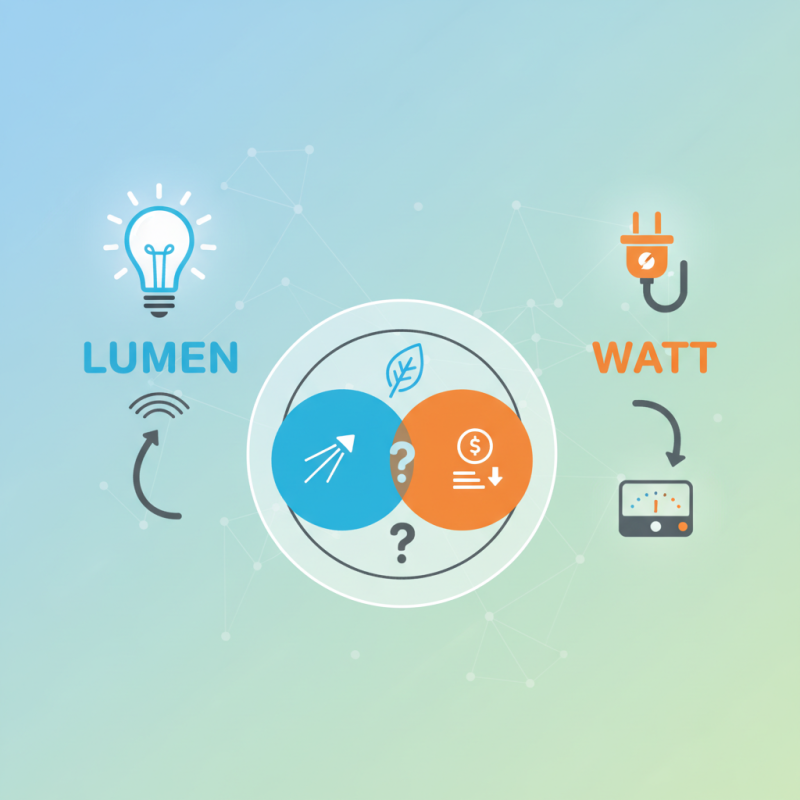
Lumen vs Watt in LED Lighting Which is More Important?

Understanding Lumens and Watts in LED Lighting

When choosing LED lighting, understanding lumens and watts is crucial. Lumens measure brightness. Watts indicate energy usage. Many people mistakenly think higher watts mean more brightness. This is not always true. For instance, a 10-watt LED can be as bright as a 60-watt incandescent bulb. It’s all about efficiency.

Lumens should be the primary focus when selecting lights. A room intended for reading needs higher lumens. A cozy atmosphere, however, requires softer lighting. The right lumens can enhance the experience. Yet, some forget to check this detail and end up with dim or overly bright lights. This can lead to discomfort and eye strain.

Wattage has its role but it’s secondary. Knowing how many lumens you need is vital. Energy-efficient LED lights help save on electricity costs. Still, it’s essential to match wattage with your needs. Watch out for misleading packaging. Not all energy-saving bulbs shine as brightly as advertised. It takes time to choose wisely and make the best choice for your space.

The Role of Lumens: Measuring Brightness in Lighting

When it comes to LED lighting, understanding lumens is crucial. Lumens measure the total amount of visible light emitted by a source. This is what determines how bright a light appears. A higher lumen count means a brighter light, which is essential for visibility and comfort in any space. It’s important to evaluate your needs, as sometimes we overestimate the brightness required for a particular area.

Tips: Consider the space where you plan to install the lighting. For smaller rooms, lower lumens may suffice. In contrast, larger areas may require higher lumens for adequate illumination.

Wattage, on the other hand, indicates energy consumption rather than brightness. Traditional incandescent bulbs often had high wattages but low lumens. LED technology offers bright lighting with lower watt usage, making it energy-efficient. Thus, while both measures matter, lumens often take precedence in assessing how well a space will be lit.

Tips: Remember, not all LED bulbs are created equal. When purchasing, compare the lumen output directly. This ensures you choose the right brightness without wasting energy. Reflecting on your choices can lead to sustainable decisions for any lighting project.

The Role of Watts: Measuring Energy Consumption in Lighting

When it comes to LED lighting, understanding watts is crucial. Watts measure energy consumption. They tell you how much electricity a light fixture uses, which impacts your electricity bill. For instance, a standard LED bulb might consume around 10 to 15 watts. In comparison, traditional incandescent bulbs use about 60 watts for similar brightness. According to a 2021 report by the U.S. Department of Energy, LED lighting can reduce energy consumption by up to 75% compared to incandescent options.

However, focusing solely on watts can be misleading. Lower wattage does not always guarantee better efficiency or brightness. This is where lumens come into play. Lumens measure light output, not energy use. A 10-watt LED bulb might produce more lumens than a 15-watt incandescent bulb. Therefore, consumers should consider both metrics when selecting lighting options. A study by the Lighting Research Center indicated that consumers often misinterpret wattage as the sole indicator of brightness, leading to suboptimal choices.

This confusion can lead to inefficiencies. Some may purchase higher wattage bulbs under the impression they will provide more light. Yet, the output is often less than what a lower-watt bulb effectively provides. Balancing these two metrics—watts for energy consumption and lumens for brightness—is essential for making informed decisions in lighting.

Lumen vs Watt in LED Lighting: Key Comparisons

Metric Compact Fluorescent (CFL) LED Incandescent
Typical Wattage 14 watts 10 watts 60 watts
Lumens Output (Approx) 900 lumens 800 lumens 800 lumens
Lumens per Watt (Efficiency) 64 lumens/watt 80 lumens/watt 13 lumens/watt
Lifespan (Hours) 10,000 hours 25,000 hours 1,000 hours
Energy Cost (per year @ 3 hrs/day) $6.12 $4.38 $20.00

Comparing Lumens and Watts: What Matters More for Consumers?

When choosing LED lighting, consumers often face the dilemma of lumens versus watts. Lumens measure brightness, while watts indicate energy consumption. Understanding these concepts is crucial for making informed decisions about lighting.

Many consumers believe higher wattage equals brighter light, but this is a misconception. For instance, a 10-watt LED can produce the same brightness as a 60-watt incandescent bulb. This efficiency is vital for saving on energy bills. As you shop for lighting, focus on lumens to ensure you get adequate brightness.

**Tip:** Look for a lumen output of about 800 for standard room lighting. It offers enough light without excessive energy use.

Another common mistake is overlooking the quality of light. Not all LEDs are created equal. Some may produce harsh or flickering light, even with good lumen measurements. Always check reviews or test lights when possible.

**Tip:** If possible, choose LED lights with a warm color temperature for comfortable illumination. This tends to enhance the ambiance in living spaces.

Keep in mind that understanding lumens and watts enhances your confidence in making lighting choices. Take time to compare products and don’t rely solely on wattage figures.

Energy Efficiency and Performance: Choosing the Right LED Light

When selecting LED lighting, understanding lumens and watts is crucial for energy efficiency. Lumens measure brightness, while watts gauge energy consumption. A report by the U.S. Department of Energy states that LED lights can produce more lumens per watt than traditional incandescent bulbs, providing significant energy savings. This means that even with lower wattage, LEDs can deliver impressive brightness for various applications.

Choosing the right LED light involves considering specific needs. For instance, a residential area might prioritize brightness levels suitable for comfort and visibility. In a commercial setting, the focus could shift towards better energy efficiency to reduce operational costs. The average efficacy of LED lighting is around 80-100 lumens per watt, highlighting their superior performance. However, one must also consider factors like color temperature and light distribution. These elements can greatly influence appearance and ambiance.

Finding the right balance is often challenging. Users may inadvertently choose lights based solely on wattage, missing essential aspects like lumen output. Additionally, incorrect color temperature choices can affect mood and productivity in spaces. Addressing these considerations can lead to improved lighting environments.

FAQS

: What are lumens?

: Lumens measure the total visible light emitted by a source. Higher lumens mean brighter light, essential for visibility.

Why is understanding lumens important?

Understanding lumens helps evaluate brightness needs for different spaces. Sometimes, we overestimate how bright a room should be.

What does wattage indicate?

Wattage indicates energy consumption, not brightness. It’s important to know this distinction when choosing lighting options.

Can lower wattage bulbs still provide brightness?

Yes, a 10-watt LED can be as bright as a 60-watt incandescent bulb. This saves energy while providing adequate light.

How many lumens do I need for a standard room?

Aim for around 800 lumens for standard room lighting to provide enough brightness without excessive energy use.

Are all LED bulbs the same?

No, not all LEDs are created equal. Some may have poor light quality or flicker despite good lumen outputs.

How can I ensure quality light?

Always check reviews or test lights when possible. Look for LEDs with warm color temperatures for a better ambiance.

Should I prioritize lumens or watts when shopping?

Focus on lumens when purchasing lighting. This will ensure you get the right brightness for your space.

What should I consider when evaluating brightness?

Consider the size of your space. Smaller rooms may need fewer lumens than larger areas for adequate illumination.

How can my choices impact sustainability?

Reflecting on lumens versus watts can lead to sustainable lighting choices, saving energy and reducing costs over time.

Conclusion

In the discussion of LED lighting, understanding the difference between lumens and watts is crucial for consumers looking to make informed decisions. Lumens measure the brightness of a light source, indicating how much light is emitted, while watts assess the energy consumption of that light source. This distinction is vital for consumers, as higher lumens translate to brighter light, whereas lower watts signify increased energy efficiency.

When considering what is lumen vs watt in LED lighting, it becomes clear that lumens are generally more important for illuminating spaces effectively. However, watts still play a significant role in determining energy efficiency. Ultimately, consumers should prioritize lumens for brightness while also considering wattage to ensure they choose LED lights that not only meet their brightness needs but also enhance performance and energy savings.

Isabella

Isabella

Isabella is a dedicated marketing professional with a sharp focus on driving brand growth and engagement through strategic content creation. With an extensive background in digital marketing, she combines her passion for storytelling with her keen understanding of industry trends to deliver......