In the modern industrial landscape, utilizing LED lighting in factories presents a unique opportunity for improvement. Understanding what are the benefits of LED lighting in factories is crucial for maximizing operational efficiency. Energy savings, lower maintenance costs, and enhanced safety are just a few advantages.
LED lights consume less energy than traditional bulbs, leading to reduced electricity bills. Moreover, they have a longer lifespan, which minimizes replacement frequency. This reduction translates into savings on maintenance and labor costs. Enhanced visibility also boosts worker productivity, as well as safety.
However, many factories still rely on outdated lighting solutions. Transitioning to LED requires initial investment and strategic planning. Businesses face challenges in determining the right type and placement of lighting. Reflecting on these hurdles is essential for successful implementation. Embracing LED technology is not merely a trend; it's a substantial step toward sustainable manufacturing practices.
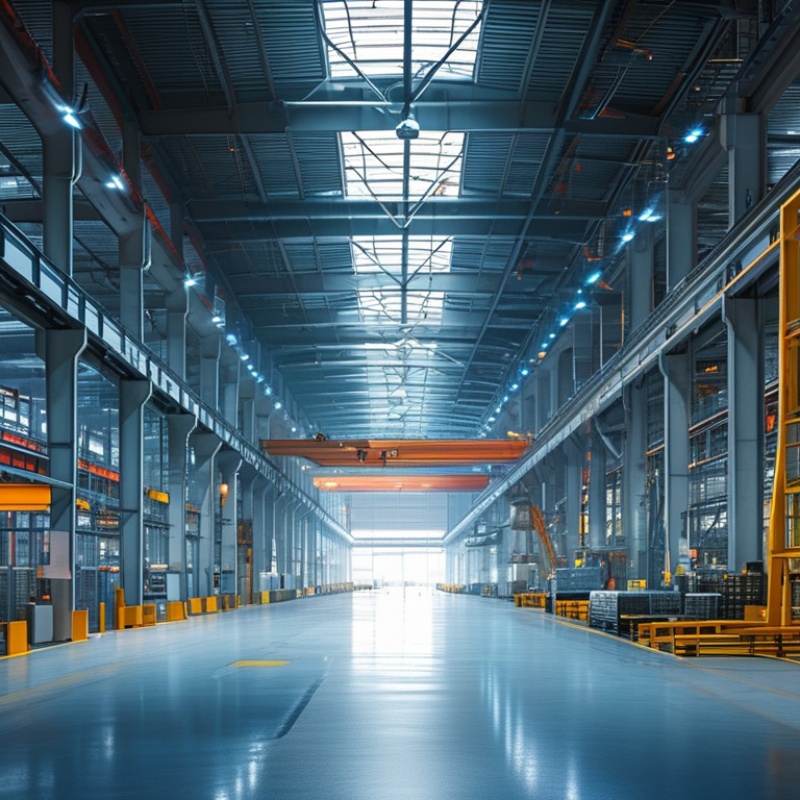
Understanding the Basics of LED Lighting Technology for Factories
Understanding LED lighting technology is essential for optimizing industrial applications. LED lights use semiconductor technology to convert electricity into light. This process is efficient and results in less wasted energy. Factories can benefit from increased brightness and lower energy costs. Improved visibility enhances worker safety and productivity.
When considering installation, assess the space carefully. Different factory areas may require varying color temperatures and intensities. A uniform distribution of light is crucial. However, it’s common to overlook shadows or dim spots. Regular maintenance of LED fixtures will ensure longevity and performance.
Despite their advantages, some challenges exist. Initial installation costs can be high. Not all workers may be familiar with LED technology. Training may be required to maximize the benefits. Engaging with lighting specialists can help address these concerns effectively.
Creating a tailored lighting plan can enhance functionality while reducing energy use. Balancing innovation with practicality is key for successful implementation.
Benefits of LED Lighting: Energy Savings and Increased Productivity
LED lighting has transformed factory environments, driving energy savings and boosting productivity. According to a report by the Department of Energy, factories can reduce energy consumption by up to 75% by switching to LED lighting. This reduction not only decreases operating costs but also lowers greenhouse gas emissions, making it an environmentally friendly option. In addition, the long lifespan of LEDs—approximately 25,000 hours—means reduced maintenance costs and less frequent replacements.
Increased productivity is another vital benefit. Studies from the Lighting Research Center indicate that proper lighting can improve workers' performance by 20-30%. Better visibility and reduced glare enhance focus and reduce fatigue. Additionally, the ability to adjust color temperature with LED systems helps create a conducive environment for various tasks. Yet, not all factories maximize these benefits. Some may overlook the importance of optimal placement and lighting levels. Conducting a lighting audit can help identify areas for improvement.
Another point of reflection is the initial investment. Although LED lights are more expensive upfront, the total cost of ownership decreases significantly over time. Some factories delay this switch due to budget constraints, missing out on long-term savings. It's imperative to view this shift not just as an expense but as an investment in efficiency and sustainability. A strategic approach to LED lighting can yield significant returns, both financially and operationally.
Optimizing Factory Layout for Effective LED Lighting Distribution
Effective factory layout is crucial for maximizing the benefits of LED lighting. Thoughtful placement of lighting fixtures can enhance both energy efficiency and worker productivity. Studies show that well-distributed lighting can reduce energy use by up to 30%. Factories focusing on layout optimization often report improved operational performance.
Incorporating LED lighting requires careful analysis of factory zones. For instance, high-traffic areas need brighter lights. Conversely, storage zones can use softer lighting. A report from the American Council for an Energy-Efficient Economy notes that strategic lighting design can lead to significant cost savings.
However, achieving ideal lighting conditions is not always straightforward. Challenges can arise, like inadequate initial assessments or unforeseen changes in factory operations. Investing in thorough audits is essential for long-term success. Adjusting the layout based on employee feedback also proves beneficial. Regular evaluations help ensure that lighting meets evolving needs and standards.
Impact of LED Lighting Distribution on Factory Efficiency
This chart illustrates the correlation between different LED lighting distributions across various factory layouts and their corresponding impact on operational efficiency. Optimizing the placement of LED lighting can significantly enhance productivity and energy savings in manufacturing settings.
Implementing Smart Controls and Automation with LED Systems
Implementing smart controls and automation with LED lighting can revolutionize factory operations. These systems can respond to real-time conditions, adjusting brightness based on occupancy. For instance, areas with high foot traffic can be brighter when needed. In contrast, unused spaces can dim down, saving energy and costs. This responsiveness not only reduces waste but also extends the lifespan of the lighting systems.
Integrating automation can create a seamless workflow in factories. Sensors can monitor light levels and adjust automatically, ensuring optimal conditions. However, implementing these technologies requires careful planning and training for staff. Sometimes, workers may feel overwhelmed by new systems. Ongoing education and support become crucial to easing these transitions. Factories might face initial hiccups when aligning old machinery with new lighting solutions.
While the potential for energy savings is significant, the process can be complex. Decisions on the placement of sensors and controls can impact effectiveness. There may be a learning curve as workers adapt. Factories must maintain a focus on both efficiency and the comfort of their workforce. Balancing technology with human experience is key to making the most out of LED lighting solutions.
Maintenance Strategies for Sustaining LED Lighting Efficiency in Factories
Maintaining LED lighting in factories is essential for long-term efficiency.
Regular inspections can identify issues early. Check for flickering or dimming lights.
These can indicate potential problems. Addressing them quickly saves energy and costs.
Cleaning fixtures is another critical step. Dust and grime affect light output. Schedule periodic cleanings to keep lights bright.
Workers should be trained on proper cleaning techniques. This fosters a culture of maintenance and care.
Monitoring the performance of LED systems is vital. Collect data on energy usage and light levels. Look for patterns that suggest inefficiencies.
Regular reviews enable timely adjustments. A proactive approach can enhance the lifespan of your LEDs.
It’s not just about installation; ongoing attention matters significantly.
Conclusion
The article "2026 How to Maximize Benefits of LED Lighting in Factories?" provides a comprehensive overview of the advantages and best practices associated with LED lighting in industrial settings. It begins by outlining the basics of LED technology and emphasizes energy savings and increased productivity as significant benefits of LED lighting in factories. These advancements not only lower operational costs but also enhance workplace conditions, leading to improved employee performance.
Additionally, the article discusses optimizing factory layouts for effective LED light distribution and the importance of implementing smart controls and automation systems to maximize efficiency. Maintenance strategies are also highlighted to ensure the sustainability of lighting efficiency over time. Overall, the article serves as a valuable guide for factory managers aiming to harness what are the benefits of LED lighting in factories for a more effective and energy-efficient workspace.

 Lume Light