Proper lighting design plays a crucial role in enhancing safety across various environments. Statistics from the U.S. Department of Transportation reveal that well-lit areas can reduce crime by up to 30%. This emphasizes how integral lighting is to public safety. Moreover, the Illuminating Engineering Society highlights that visibility issues contribute to 60% of accidents in low-light conditions. It's clear that effective lighting can greatly influence safety outcomes.
Many organizations are now exploring how to improve safety with proper lighting design. However, it's not just about having more light; the quality, placement, and type of lighting matter significantly. For instance, glare can impair vision, leading to potential hazards. Critics argue that insufficient focus on proper lighting can exacerbate safety risks.
A comprehensive lighting strategy requires understanding the specific needs of a space. This involves evaluating factors like human behavior and environmental settings. As urban areas grow, diverse lighting needs must be addressed effectively. When we overlook these details, the consequences can be severe. Prioritizing thoughtful lighting design is essential for fostering safer communities.
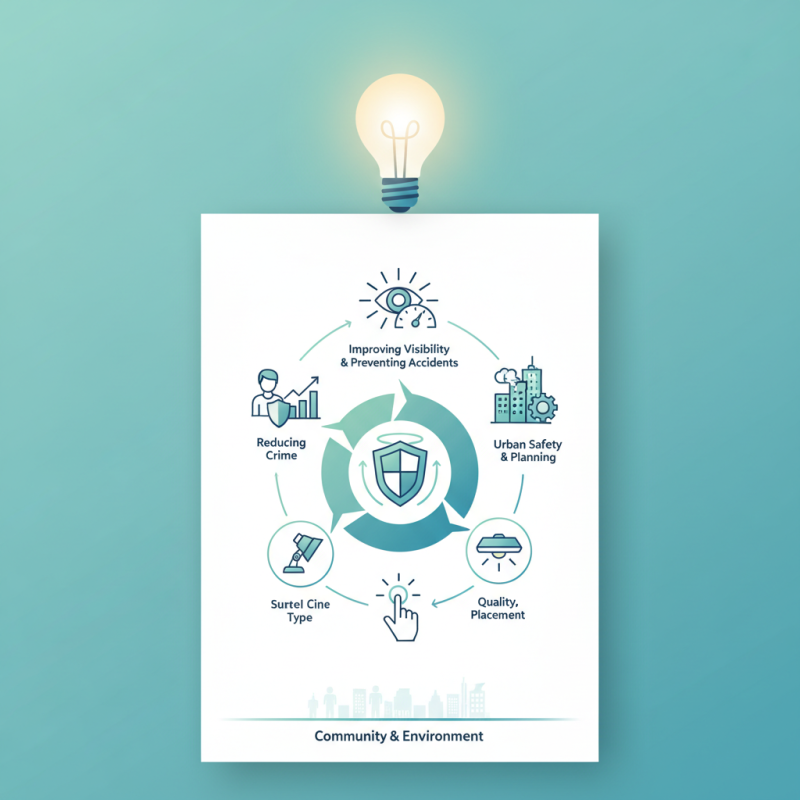
Importance of Lighting in Enhancing Visibility and Awareness
Effective lighting design plays a crucial role in enhancing visibility and awareness in various environments. Proper lighting can reduce accidents and improve safety in places like parking lots and walkways.
Clear visibility allows individuals to identify hazards early, making informed decisions about their movements. In dimly lit areas, shadows can hide dangers, leading to potential injury.
Thus, well-placed light fixtures can illuminate spaces, ensuring that everyone remains aware of their surroundings.
Tips for optimal lighting design include using high-quality bulbs that provide consistent brightness. Avoid overly bright lights that can cause glare. Instead, focus on a balanced approach that distributes light evenly.
When outdoors, consider using motion sensors. They can activate lights when someone approaches, enhancing safety without wasting energy.
Another important aspect is color temperature. Warm light can create a welcoming atmosphere, while cooler tones enhance alertness. Make sure pathways and entrances are well-lit, guiding people safely.
Reflective surfaces can amplify light, reducing the number of fixtures needed. Regularly assessing and maintaining the lighting setup is also vital. This prevents dimming over time, ensuring ongoing safety and awareness.
Impact of Lighting on Crime Prevention and Safety Perception
Lighting can greatly influence how safe people feel in their environment. Studies show that well-lit areas can deter crime. Bright lighting helps people see their surroundings better, allowing for quicker reactions. In contrast, dark areas create hiding spots that may encourage criminal activity. This relationship between lighting and safety perception is crucial for urban planning.
Communities often overlook the importance of proper lighting design. A poorly lit street may seem inviting during the day but can transform into a dangerous place at night. It is essential to understand that not all light is equal. The quality and placement of lights matter. For example, excessive glare can cause discomfort, making individuals feel uneasy. Proper consideration of light levels can yield significant improvements in safety.
Moreover, community feedback on lighting designs can often be lacking. Citizens may not express their concerns until incidents occur. This underscores the importance of regular assessments of lighting installations. Engaging the community can help determine where lighting is needed most. Reflecting on past decisions can lead to better approaches in future lighting designs for safety.
Role of Proper Lighting in Reducing Accidents and Hazards
Proper lighting plays a critical role in enhancing safety. Well-lit areas can drastically reduce the occurrence of accidents. For instance, poorly illuminated staircases often lead to falls. A dimly lit parking lot can become a hotspot for criminal activity. Ensuring adequate lighting in these places is not just beneficial; it’s necessary.
Moreover, the type of lighting matters significantly. Bright, consistent light helps people see their surroundings clearly. It can highlight any potential hazards, allowing individuals to react accordingly. Flickering lights or shadows create uncertainty. They can lead to mistakes or missed warnings. The right lighting design encourages safer behaviors, such as walking instead of rushing.
However, people often overlook lighting needs. Budget constraints can lead to inadequate solutions. Some may choose cheaper options that function poorly. This neglect can result in serious risks. Taking time to plan proper lighting is essential for a safer environment. Investing in quality lighting is an investment in community well-being.
Why Proper Lighting Design is Key to Improving Safety? - Role of Proper Lighting in Reducing Accidents and Hazards
| Location |
Accident Rate (per 1000 incidents) |
Lighting Type |
Visibility Level (Lux) |
Safety Improvement (% Reduction in Accidents) |
| Parking Lot |
4.5 |
LED |
30 |
40% |
| Office Building |
3.0 |
Fluorescent |
50 |
30% |
| Warehouse |
5.2 |
LED High Bay |
100 |
50% |
| Streets |
6.8 |
Sodium Vapor |
20 |
35% |
| Hospital |
1.5 |
LED |
75 |
25% |
Design Considerations for Effective Safety Lighting Systems
Effective safety lighting systems play a crucial role in enhancing safety across various environments. Proper design considerations should prioritize visibility and functionality. This includes analyzing the specific needs of the space, such as pedestrian paths, parking lots, and entryways. Inadequate lighting can create dangerous blind spots. Therefore, it's essential to assess where light is most needed.
Another important aspect is the uniformity of light distribution. Uneven lighting can lead to confusion and anxiety. A well-lit area encourages safe movement and can deter potential threats. Incorporating motion sensors can improve energy efficiency while ensuring areas are adequately lit when needed. It's vital to also consider the color temperature of lights, as warmer hues can create a more inviting atmosphere, unlike harsh, cold lights that may cause discomfort.
In addition to technical specifications, community feedback is invaluable. Engaging with local users can provide insights into the lighting's effectiveness. What works well in one area may not be suitable for another. Regular assessments and updates based on user experience can lead to more effective lighting solutions. This reflection is key in creating safe spaces that are adaptable to changing needs.
Impact of Proper Lighting Design on Safety
This bar chart illustrates the impact levels of different design considerations in safety lighting systems. Proper lighting enhances visibility, reduces accidents, deters crime, increases user comfort, and aids in emergency response, creating a safer environment overall.
Case Studies on Successful Lighting Designs and Improved Safety Outcomes
Proper lighting design plays a critical role in enhancing safety in various environments. Numerous case studies illustrate the positive impact of effective lighting. In urban areas, increased public light led to a notable drop in crime rates. A study showed that well-lit streets discouraged criminal activities. Residents felt safer walking at night, contributing to a stronger sense of community.
In industrial settings, proper lighting reduces workplace accidents. For example, factories that implemented strategic lighting design saw a reduction in slips and falls. Workers reported improved visibility, which enhanced their performance. Yet, some areas still struggle with inadequate lighting. Without adequate planning, even the best intentions can lead to shadows and dark spots.
Some experts emphasize the need for design flexibility. Lighting should adapt to different tasks and seasons. Regular assessments can improve existing lighting systems. This approach encourages continuous improvement. A well-lit space becomes a refuge, promoting safety and well-being. Each case highlights the necessity of thoughtful lighting design for safer spaces.
Conclusion
Proper lighting design is essential for enhancing safety in various environments. By improving visibility and awareness, effective lighting allows individuals to navigate spaces more confidently, ultimately reducing the risk of accidents and hazards. Research shows that well-lit areas can significantly deter criminal activity, enhancing the perception of safety among community members. Understanding how to improve safety with proper lighting design involves considering factors such as illumination levels, fixture placement, and the use of color temperature to create an inviting atmosphere.
Moreover, successful case studies reveal that thoughtful lighting design not only contributes to safety by minimizing risks but also uplifts the overall experience of public and private spaces. By prioritizing design considerations that address safety concerns, communities can foster environments where individuals feel secure and protected, making strategic investments in lighting systems a vital component of comprehensive safety strategies.

 Lume Light