Top Ways to Reduce Energy Costs with LED Lighting Guide?

Time:2026-05-07 Author:Mason
0%

In today's world, reducing energy costs is a crucial concern for both businesses and homeowners. LED lighting has emerged as a leading solution. According to John Smith, a lighting energy expert, "Switching to LED lighting can significantly reduce your monthly bills." His insights highlight the growing importance of energy-efficient technologies.

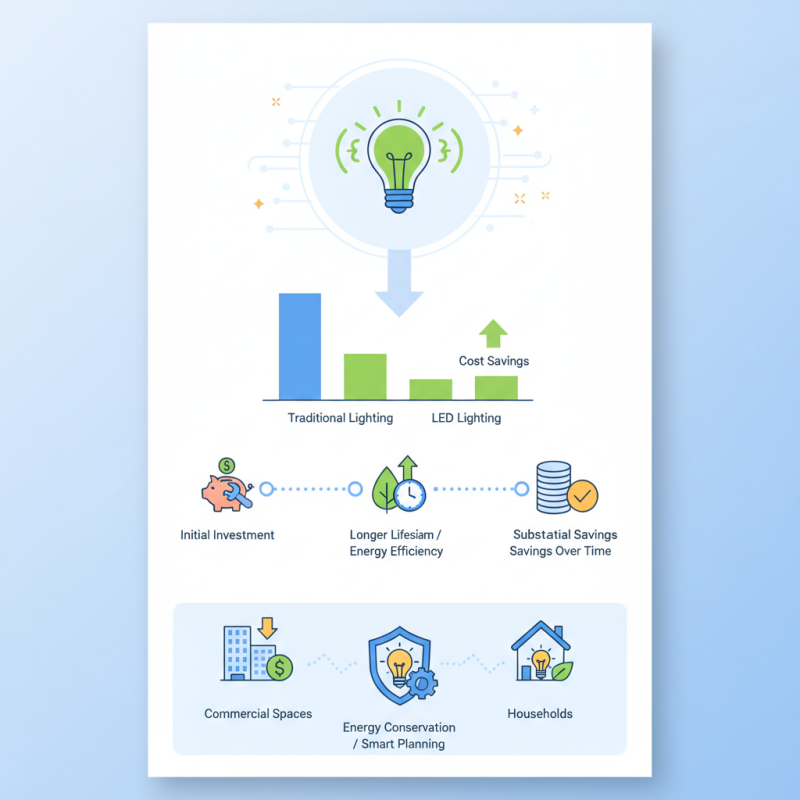
Understanding how to reduce energy costs with LED lighting is essential. LEDs consume less power and have a longer lifespan than traditional bulbs. This transition can lead to substantial savings over time. However, some may hesitate due to the initial investment. It’s important to reflect on how long-term benefits outweigh initial costs.

Many underestimate the impact of small changes. Integrating LED lighting in commercial spaces can reduce expenses. For households, replacing old bulbs with LEDs can enhance efficiency. Each step counts toward a larger goal of energy conservation. Achieving savings with LED lighting requires both planning and commitment. Emphasizing quality over quantity is key in choosing products.
Top Ways to Reduce Energy Costs with LED Lighting Guide?

Understanding LED Lighting and Its Impact on Energy Efficiency

LED lighting has revolutionized energy efficiency in homes and businesses. According to the U.S. Department of Energy, LEDs use up to 75% less energy than traditional incandescent bulbs. This substantial reduction translates into significant savings on energy bills. The average household can save around $225 annually by switching to LED lighting.

Moreover, the longevity of LEDs adds to their cost-effectiveness. A quality LED bulb can last up to 25,000 hours, dwarfing the lifespan of incandescent bulbs, which last about 1,000 hours. However, some consumers hesitate, often due to the initial cost. While the upfront investment might seem high, the long-term savings outweigh it.

Despite these advantages, not all LED products deliver equally. Variations in quality exist among manufacturers, which may lead to disappointing experiences. Consumers should seek verified products and certifications. Energy efficiency is paramount, but it shouldn’t come at the cost of performance. Buying well-rated LED lights could ensure reliability and effectiveness in lowering energy costs.

Top Ways to Reduce Energy Costs with LED Lighting Guide

Method Description Estimated Energy Savings (%) Implementation Cost ($)
Switch to LED Bulbs Replace incandescent or CFL bulbs with LED bulbs for longer life and lower energy consumption. 50-80% 5-20
Use Smart Lighting Controls Integrate occupancy sensors and timers to optimize lighting usage. 30-50% 50-200
Adopt Daylight Harvesting Utilize natural light through windows and skylights, reducing reliance on artificial lighting. 20-40% 100-300
Upgrade to Energy-Efficient Fixtures Install LED fixtures designed for specific spaces to maximize efficiency. 40-60% 100-1000

Comparative Analysis: LED vs. Incandescent Bulbs' Energy Consumption

When comparing LED and incandescent bulbs, energy consumption is a crucial factor. Incandescent bulbs typically convert only about 10% of the energy they use into visible light. The remaining 90% is wasted as heat. In contrast, LED bulbs use around 75% less energy, producing light more efficiently. According to the U.S. Department of Energy, switching to LED can save households at least $225 in energy costs over time.

The lifespan of LEDs further enhances their appeal. While incandescent bulbs last about 1,000 hours, LEDs can last up to 25,000 hours. This significant difference means fewer replacements and reduced waste. However, the initial cost of LED bulbs can be higher, which may deter some consumers. Studies show that the total cost of ownership favors LEDs when factoring in longevity and energy savings.

It's important to consider the environmental impact as well. The transition to energy-efficient lighting reduces the demand for electricity, which in turn lowers greenhouse gas emissions. While many embrace LEDs, some may still resist due to misconceptions about light quality. This reluctance can lead to missed opportunities for energy savings. Balancing upfront costs and long-term benefits requires thoughtful consideration.

Calculating Savings: Projected Cost Reductions with LED Lighting

LED lighting has emerged as a prominent solution for reducing energy costs. According to the U.S. Department of Energy, LED lighting uses at least 75% less energy than traditional incandescent bulbs. This statistic alone makes a compelling case for businesses and homeowners to transition to LED technology. The reduction in energy consumption directly translates to lower electricity bills, which can be especially significant for large commercial spaces.

When calculating potential savings, consider the lifespan of LED lights. While a standard incandescent bulb lasts about 1,000 hours, many LEDs can last up to 25,000 hours or more. This longevity means fewer replacements and even more savings on maintenance costs. The Alliance to Save Energy notes that switching to LEDs can save consumers up to $200 per fixture over its lifetime. These numbers illustrate the long-term value of investing in energy-efficient lighting.

However, it’s essential to approach this transition critically. Not all LED products offer the same quality or energy savings. Inconsistent manufacturing practices can lead to variable performance in brightness and efficiency. Consumers should research and select reliable options, ensuring they maximize potential savings. Incorporating LEDs into a wider energy strategy not only lowers costs but also encourages sustainability.

Implementation Strategies for Transitioning to LED Fixtures

Transitioning to LED lighting can significantly reduce energy costs, but planning is essential. Many organizations cite that LED lighting can reduce energy consumption by up to 75%. A careful assessment of current lighting setups is key. Begin with a lighting audit. Identify areas where traditional bulbs are used extensively. This analysis will help date the most effective transitions.

Employee training is crucial during implementation. Staff should understand the benefits of new fixtures. Moreover, they should know how to operate and maintain them. Misunderstandings about the technology may hinder savings. Studies show that engagement can boost the transition's success rate. Communication about energy-saving goals fosters a culture of efficiency.

Pilot programs can ease the transition, too. Test LED installations in specific areas first. Gather feedback from users to refine the approach. Not every space may benefit equally from LEDs. Understanding optimal placement is vital. Research indicates that lighting needs vary between environments, and adjustments may be necessary. Regular evaluations allow for improvements and can lead to unexpected benefits.

LED Lighting Energy Cost Reduction Strategies

Long-term Benefits: LED Lifespan and Environmental Considerations

LED lighting has gained recognition for its impressive lifespan, making it an essential component in modern energy-saving strategies. According to the Department of Energy, LED lights can last up to 25,000 hours, compared to only 1,000 hours for incandescent bulbs. This longevity not only minimizes the frequency of replacements but also significantly reduces waste. Less waste means fewer resources are consumed, contributing positively to the environment.

From an environmental perspective, LEDs consume up to 75% less energy than traditional incandescent bulbs. This reduction translates into lower greenhouse gas emissions, which is crucial in combating climate change. Moreover, switching to LEDs can save approximately $225 in electricity costs per light over its lifetime. However, the manufacturing of LEDs does require rare materials, which raises concerns about sustainability. It's essential to consider the entire lifecycle of LED products, from production to disposal.

In homes and businesses, the transition to LED lighting is an opportunity for both economic and environmental benefits. While the initial investment may be higher, the long-term savings on energy bills and the decreased environmental impact make LEDs a worthwhile choice. Nevertheless, ongoing discussions surrounding recycling practices and the availability of materials are vital for ensuring LEDs remain a sustainable option.

FAQS

: How much energy do LED lights save compared to traditional bulbs?

: LED lights use at least 75% less energy than traditional incandescent bulbs. This leads to substantial savings.

What is the lifespan of LED lighting?

Many LED lights can last up to 25,000 hours or more. This is significantly longer than standard incandescent bulbs.

How do longer-lasting bulbs contribute to savings?

Longer-lasting bulbs mean fewer replacements. This reduces maintenance costs and the frequency of buying new lights.

What are the environmental benefits of using LED lighting?

LEDs consume less energy and produce fewer greenhouse gas emissions. They also help reduce waste due to their longevity.

Are all LED products the same in quality?

No, not all LEDs offer the same quality or efficiency. Research is essential to select reliable options for maximum savings.

What should consumers consider when switching to LED lights?

Consider the entire lifecycle and sustainability of products. Some manufacturing processes may involve rare materials.

Is the initial investment in LEDs worth it?

Yes, despite a higher initial cost, long-term energy savings and environmental benefits make LEDs a sound investment.

How much can consumers save over a lifetime with LEDs?

Consumers can save approximately $200 to $225 per light in electricity costs over its lifetime.

What is the connection between LEDs and climate change?

Reduced energy consumption means lower greenhouse gas emissions, aiding efforts to combat climate change.

What ongoing issues surround the use of LED lighting?

Discourse about recycling practices and material availability is crucial for ensuring LEDs remain environmentally friendly.

Conclusion

The article "Top Ways to Reduce Energy Costs with LED Lighting Guide" provides a comprehensive overview of how to effectively lower energy expenses through the use of LED lighting. It begins by explaining the fundamentals of LED technology and its significant advantages in energy efficiency compared to traditional incandescent bulbs. A comparative analysis reveals the stark difference in energy consumption, emphasizing the potential savings when swapping to LED fixtures.

The article further discusses how to calculate potential cost reductions associated with LED lighting, providing valuable insights for consumers and businesses alike. Implementation strategies are outlined to facilitate a smooth transition to LED fixtures, ensuring that readers can take practical steps towards energy efficiency. Finally, the long-term benefits of LED lighting, including its extended lifespan and minimal environmental impact, reinforce the importance of adopting this technology to achieve substantial energy cost reductions. Overall, the guide serves as a practical resource for anyone looking to understand how to reduce energy costs with LED lighting.

Mason

Mason

Mason is a seasoned marketing professional with a deep expertise in the company's offerings and a passion for driving brand awareness. With a strong background in digital marketing strategies, he has an innate ability to connect with diverse audiences and effectively communicate product benefits.......