In modern architectural, industrial, and municipal engineering, lighting is no longer just about basic visibility. The demands of large-scale infrastructure projects require precise optical control, high luminous efficacy, and robust thermal management. High-performance LED Beam Lights represent the pinnacle of this technological evolution, shifting away from inefficient legacy systems toward focused, directional solid-state lighting.
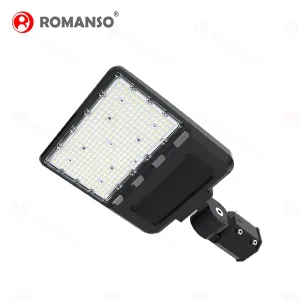
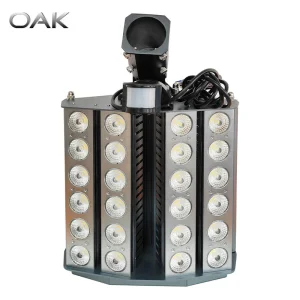
Unlike traditional floodlights, which scatter luminous flux across wide angles, narrow-beam and medium-beam projection systems utilize micro-refractors, precise plano-convex lenses, and advanced reflectors. These technologies focus light output directly onto targeted coordinates, minimizing light spill and maximizing lumen efficiency per watt (lm/W). This targeted approach is critical for industrial warehouses, high-altitude sports venues, maritime shipping channels, and city streets.
Advanced lens configurations reduce stray beam paths, resulting in tighter beam collimation. This directs light exactly where it is needed, protecting sensitive ecological areas from light pollution.
Equipped with intelligent DALI, PLC, or wireless IoT control nodes, these luminaires offer remote dimming, real-time status diagnostics, and adaptive load shedding.
Engineered with aerospace-grade aluminum housings, our thermal management systems prevent junction temperature spikes. This ensures a stable lifespan exceeding 50,000 operational hours.
The commercial lighting industry is undergoing a digital transformation driven by strict energy regulations (such as Europe’s ErP directives and DLC Premium standards in North America) and the rapid growth of smart city infrastructure. The primary trends driving innovation in this space include:
Modern luminaires now feature built-in IoT controllers that communicate using Zigbee, LoRaWAN, or Bluetooth Mesh protocols. This allows systems to transition from standalone fixtures into interconnected nodes, collecting ambient light data, occupancy patterns, and energy metrics to optimize overall facility consumption.
Advancements in multi-channel LED driver design enable precise control over Correlated Color Temperature (CCT) and Color Rendering Index (CRI). Operators can adjust from warm 3000K settings to high-alert 6000K outputs, aligning with human circadian rhythms in shifts or municipal light requirements during heavy rain or fog.
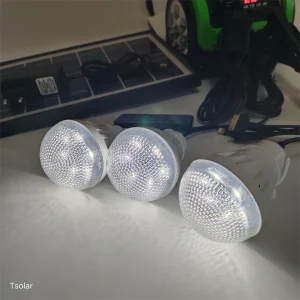
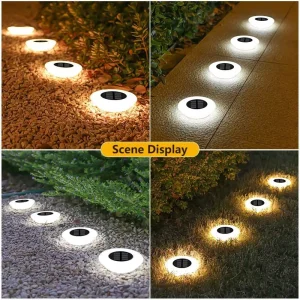
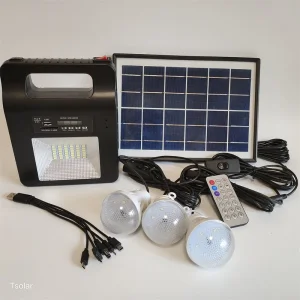
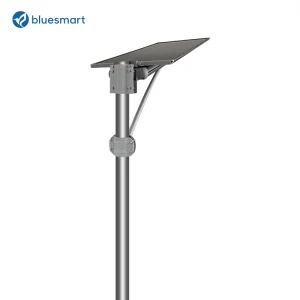
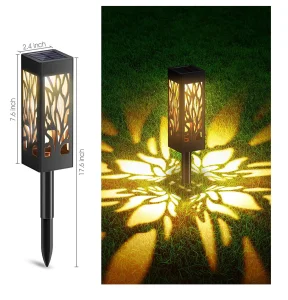
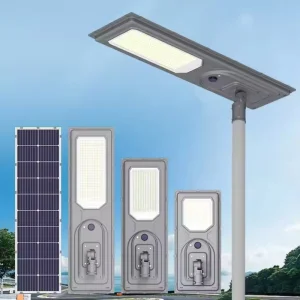
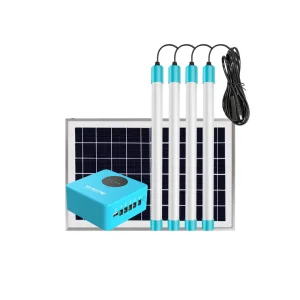
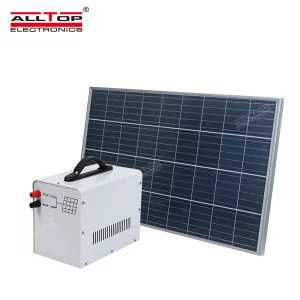
Off-grid systems are evolving beyond simple decorative path lights. Using LiFePO4 battery chemistries, high-performance solar charge controllers (MPPT), and efficient photovoltaic plates, modern solar streetlights can deliver high lumen outputs for consecutive rainy days without relying on the utility grid.
For procurement managers, global distributors, and engineering contractors, evaluating LED lighting partners requires assessing multiple operational variables. The key metrics that define a top-tier exporter include:
Initial acquisition cost is only one part of the equation. Professional buyers evaluate performance through energy efficiency (lm/W), maintenance-free lifespans, and ease of installation. A high-efficacy fixture reduces electrical consumption by up to 65% and offers a rapid return on investment (ROI).
Top projects require traceabilities on key materials: LED package suppliers (such as Lumileds, Cree, or Osram), high-quality driver units (such as MeanWell or Inventronics), and aluminum alloys with thermal conductivities exceeding 200 W/m·K.
Reliable exporters must maintain large-scale manufacturing capacity to meet tight project timelines. Fast-track projects require automated production lines, testing laboratories, and stock programs for standard components.
Different commercial environments present unique physical and structural challenges. Standard, off-the-shelf lighting solutions often fail under extreme temperatures, high humidity, or high dust levels. Custom industrial solutions provide targeted performance:
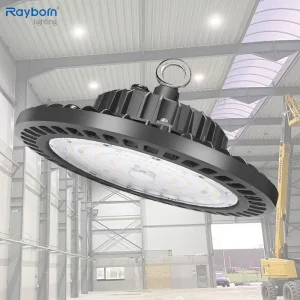
Using adjustable UFO industrial highbay fixtures (ranging from 100W to 500W), facilities with ceiling heights from 8 to over 20 meters can achieve balanced lux levels. Precise optics eliminate shadows in narrow aisleways, improving overall warehouse safety.
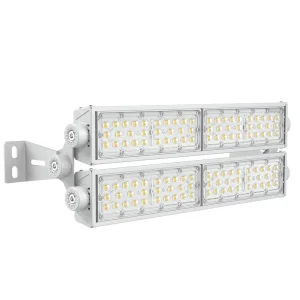
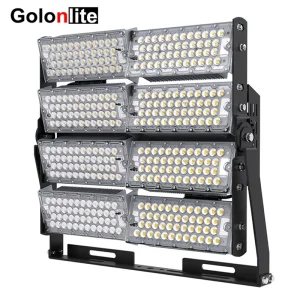
Sports complexes and transport hubs require intense, high-uniformity light distributions. ETL-approved high-power floodlights (up to 1200W/1500W) feature advanced anti-glare visors and modular designs to deliver clear illumination suitable for television broadcasts.
Developing remote areas often lacks cost-effective access to utility grids. Integrated solar streetlighting systems combine long-lasting batteries and smart charge controllers to provide reliable lighting for roadways, parking lots, and walkways without costly trenching.
Building partnerships across borders requires strict adherence to international regulatory frameworks. To support engineering contractors and distributors, compliance is maintained through key testing standards:
Products carry certifications including ETL, CE, RoHS, and FCC. This ensures compliance with regional safety guidelines, fire prevention regulations, and electromagnetic interference limits.
Fixtures feature IP65 and IP66 ingress protection ratings, alongside IK08 to IK10 impact resistance. This guarantees durability under harsh environmental conditions, including heavy rain, wind-blown dust, and physical impact.
From initial dialux simulation planning to post-installation troubleshooting, buyers receive comprehensive engineering documentation, photometric layout studies (IES files), and responsive diagnostic support.
As energy efficiency requirements tighten and smart systems mature, the focus of development will shift toward several key technological advancements:
Transitioning toward chip-scale packaging (CSP) and custom lens patterns allows for higher lumen output from smaller, more integrated fixture footprints.
Future outdoor lighting designs will focus on standardizing communication modules. This will allow street lighting networks to interface directly with municipal monitoring and traffic management systems.
For applications requiring extremely narrow, long-range beam throws, laser-driven phosphor light engines will provide precise directional lighting over distances that traditional LEDs cannot match.
Shanghai Lume Light Co., Ltd. has grown into a reliable LED lighting manufacturer, specializing in industrial, area, and garden lighting solutions for global markets. Since its establishment, the company has focused on delivering energy-efficient, durable, and high-performance lighting products that meet the evolving needs of commercial and industrial applications.
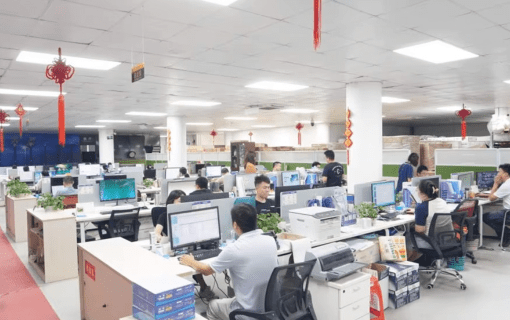
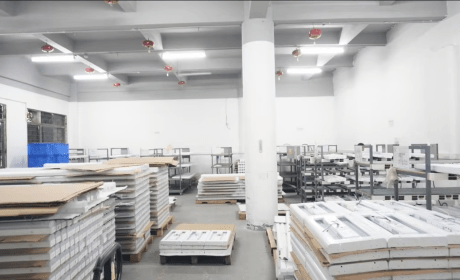
Based in Shanghai, a major international business and technology center, Lume Light benefits from strong supply chain resources and advanced manufacturing capabilities. The company operates a modern production facility equipped with automated assembly lines and strict quality control systems, ensuring consistent product performance and reliability.
Over the years, Shanghai Lume Light has expanded its product portfolio to include industrial lighting systems for factories and warehouses, high-efficiency area lighting for large outdoor spaces, and decorative yet functional garden lighting solutions. Its products are widely used in infrastructure projects, commercial complexes, and landscape lighting applications.
Driven by innovation and sustainability, the company continues to invest in research and development, integrating smart lighting technologies and energy-saving designs. With a commitment to quality and customer satisfaction, Shanghai Lume Light Co., Ltd. is steadily strengthening its global presence and providing efficient, future-ready LED lighting solutions worldwide.
 Lume Light