The global commercial and industrial sectors are experiencing an unprecedented transformation in illumination requirements. Once regarded merely as functional hardware to secure minimum illuminance (lux) levels, modern LED downlights are now central to spatial psychology, operational productivity, and deep carbon-abatement strategies. Today’s procurement metrics prioritize parameters such as UGR (Unified Glare Rating), spectral fidelity (CRI/TM-30), driver efficiency, and seamless IoT integration over simple lumen-per-watt ratios.
For lighting specifiers, architectural designers, and large-scale industrial buyers, choosing a manufacturing partner requires looking beyond simple unit pricing. Leading manufacturers distinguish themselves through advanced thermal engineering (maintaining junction temperature Tj well below critical thresholds), precise optical control, and stable supply chain ecosystems. This whitepaper analyzes the current global landscape of high-performance downlighting, detailing technological advancements, procurement methodologies, and manufacturing quality indicators.
In high-end architectural downlighting, performance is determined by several core sub-assemblies. Global sourcing teams focus heavily on these technical metrics when auditing factories:
While Surface Mounted Device (SMD) arrays offer diffuse light distribution for general illumination, Chip-on-Board (CoB) systems provide a single, highly concentrated light source. CoB downlights deliver clean, punchy beams with minimal spill, essential for high-ceiling retail, hotel lobbies, and accentuation.
Premium downlights require a high color rendering index (typically Ra > 90, with R9 > 50 for deep red rendering). Leading manufacturers implement the newer ANSI/IES TM-30-20 standard, assessing Fidelity Index (Rf) and Gamut Index (Rg) to ensure natural, vibrant skin tones and product presentations.
Advanced downlights feature multi-tiered optical paths: precision metalized reflectors, anti-glare baffles, and prismatic PMMA or PC micro-lenses. This architecture shapes the beam angle (ranging from 15° to 60°) while maintaining a glare rating below UGR 19 for improved visual comfort in commercial environments.
Additionally, driver topology remains a critical failure point in solid-state lighting. Sophisticated specifiers demand dimmable drivers (0-10V, DALI-2, or phase-cut) that incorporate high ripple suppression to prevent invisible optical flicker, which can cause fatigue and compromise security camera footage. The thermal envelope of the downlight—the die-cast aluminum heat sink design—must maintain low junction temperatures to guarantee a functional lifespan exceeding 50,000 or 100,000 hours.
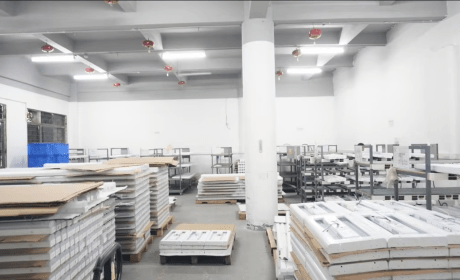
For global buyers, partnering with Chinese manufacturing centers offers significant advantages in production scale and component ecosystem integration. China's advanced lighting hubs utilize automated SMT (Surface Mount Technology) assembly lines, robotic testing stations, and integrated raw material supply lines to provide cost efficiencies alongside strict quality control.
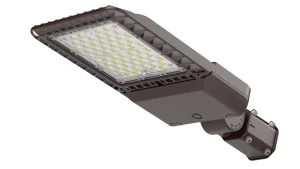
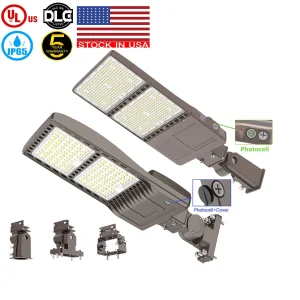
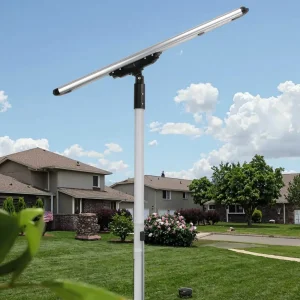
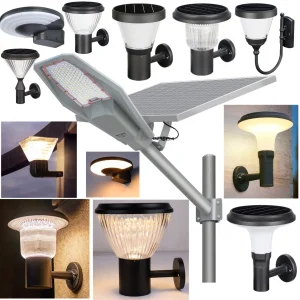
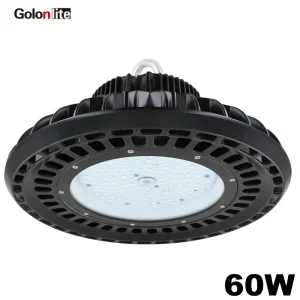
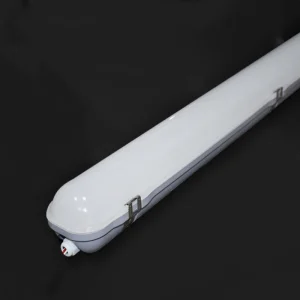
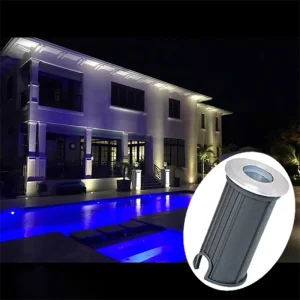
A prime example of this industrial capability is Shanghai Lume Light Co., Ltd., which has grown into a reliable LED lighting manufacturer, specializing in industrial, area, and garden lighting solutions for global markets. Since its establishment, the company has focused on delivering energy-efficient, durable, and high-performance lighting products that meet the evolving needs of commercial and industrial applications.
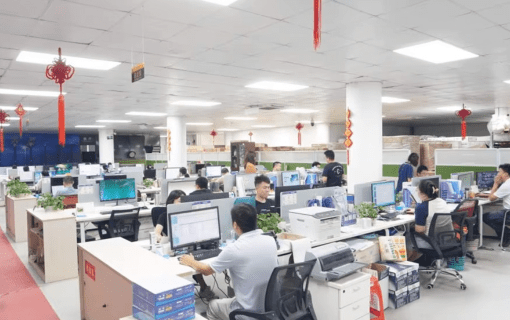
Based in Shanghai, a major international business and technology center, Lume Light benefits from strong supply chain resources and advanced manufacturing capabilities. The company operates a modern production facility equipped with automated assembly lines and strict quality control systems, ensuring consistent product performance and reliability.
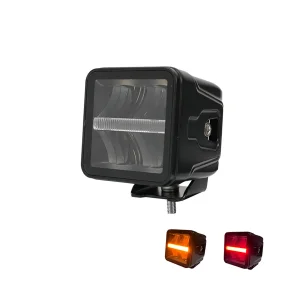
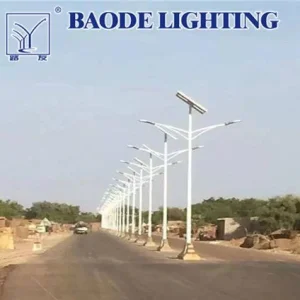
Over the years, Shanghai Lume Light has expanded its product portfolio to include industrial lighting systems for factories and warehouses, high-efficiency area lighting for large outdoor spaces, and decorative yet functional garden lighting solutions. Its products are widely used in infrastructure projects, commercial complexes, and landscape lighting applications. Driven by innovation and sustainability, the company continues to invest in research and development, integrating smart lighting technologies and energy-saving designs. With a commitment to quality and customer satisfaction, Shanghai Lume Light Co., Ltd. is steadily strengthening its global presence and providing efficient, future-ready LED lighting solutions worldwide.
To optimize downlight selection, specifiers must align photometric footprints with physical environments:
Modern workplaces require glare control and high visual comfort. Downlights with UGR < 19 and 4000K neutral light distributions are standard. In progressive facilities, tunable white systems (2700K - 6500K) integrate with Building Automation Systems via DALI interfaces to support human circadian rhythms.
Hotels and boutiques rely on warm, inviting spaces. Designers specify deep-regressed downlights with warm-dim capabilities (3000K transitioning down to 1800K at low output). Maintaining a color rendering performance of Ra > 95 and R9 > 80 is essential for accurate product presentation and flattering skin tones.
Medical and cleanroom environments demand high visual acuity and ingress protection. Downlights must feature front IP65 sealing, resistance to sanitizing chemicals, and low EMI emissions. Color temperatures typically range between 5000K and 6500K with color fidelity standards (CRI > 90) to support clinical accuracy.
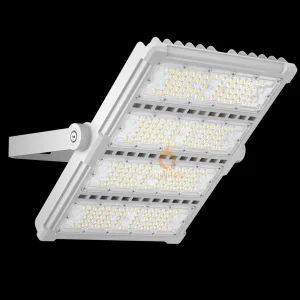
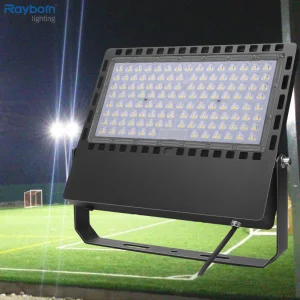
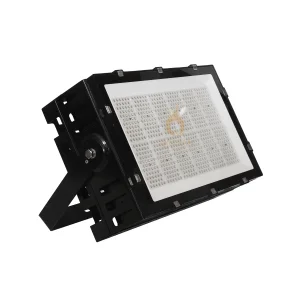
To safeguard capital investments and secure high system reliability, B2B purchasing teams can assess prospective downlight manufacturers using the following criteria:
| Evaluation Dimension | Verification Metrics | Target Standards |
|---|---|---|
| Driver Components | Brand, Power Factor (PF), Total Harmonic Distortion (THD) | PF > 0.95, THD < 15%, Flicker Index < 0.02 |
| Thermal Testing | In-situ temperature measurement, TM-21 lifespan projections | Junction temp Tj < 75°C at Ta = 25°C |
| Optical Consistency | Goniophotometer profile, integrating sphere test reports | SDCM < 3 (MacAdam Ellipses), CRI Ra > 90 |
| Quality Certifications | Compliance with national and regional safety standards | UL/cUL (Americas), CE/RoHS/ENEC (Europe), CB Scheme |
 Lume Light