Lume Light
1. Executive Summary & Macro Industry Context
In modern commercial architecture and high-performance industrial interiors, directional lighting has evolved from a simple aesthetic option to a critical structural element. Adjustable LED gimbal lights—recessed or semi-recessed fixtures featuring multi-axis swiveling mounts—stand at the intersection of optoelectronics, structural engineering, and regulatory alignment. Designed to focus light precisely onto merchandise, architectural details, or task areas, these luminaires eliminate wasted light, reducing power footprints while elevating spatial hierarchy.
Currently, the global lighting market is witnessing an accelerating migration toward smart, high-efficacy, adjustable fixtures. According to global commercial lighting studies, directional fixtures represent a significant market segment due to the dynamic retrofitting activities in Europe and North America. As commercial buildings face strict regulatory policies like the EU’s Energy Performance of Buildings Directive (EPBD) and ASHRAE 90.1 in the United States, importing certified, high-efficiency gimbal luminaires has transitioned from a standard procurement decision to a critical parameter of project compliance.
The Strategic Advantage of CE Certification
For buyers and global engineering firms, "CE Certification" is not merely a logo on a box. It represents verified compliance with rigorous harmonized legislation under the European Economic Area (EEA), including the Low Voltage Directive (LVD) 2014/35/EU, the Electromagnetic Compatibility (EMC) Directive 2014/30/EU, and the Restriction of Hazardous Substances (RoHS) Directive 2011/65/EU. Deploying non-certified lighting in commercial sectors runs the severe risk of equipment failure, insurance cancellation, and heavy legal liabilities.
2. Technical Blueprint: Thermal Management & Optical Precision
Engineering high-efficacy LED gimbal lights demands resolving the historic trade-off between flexible spatial movement and effective heat dissipation. When a gimbal light's core optic is tilted (often up to 30 or 45 degrees along single or dual axes), the local heat dissipation paths are altered. Shanghai Lume Light Co., Ltd. addresses these engineering challenges through advanced thermo-optical architectures.
A. Advanced Thermal Dissipation Architectures
Standard recessed lights rely on static ambient air. Gimbal fittings require specialized solutions because the rotating LED engine is separated from the main mounting frame. Shanghai Lume Light integrates high-purity die-cast aluminum (AL6063) heat sinks with dedicated micro-fin arrays. This architecture minimizes the thermal junction resistance, keeping the junction temperature ($T_j$) of the Chip-on-Board (COB) LED array below 85°C at ambient operation, ensuring the phosphor layer does not degrade prematurely.
B. Precision Optics & Unified Glare Control
Modern commercial structures require targeted glare control to safeguard productivity and comply with the European interior work lighting standard EN 12464-1. Utilizing high-efficiency total internal reflection (TIR) acrylic lenses or aluminum vacuum-metallized reflectors, our optical assemblies achieve sharp beam angles (from 15° to 60°) while maintaining a Unified Glare Rating (UGR) under 19.
| Technical Specification | Industrial Grade Performance | Compliance Standards |
|---|---|---|
| Input Voltage Range | AC 100V - 277V / 50-60 Hz | LVD Compliant, CE Certified |
| Power Factor (PF) | > 0.95 (Under Full Load) | EMC Directive 2014/30/EU |
| Color Rendering Index (CRI) | R_a > 90, R_9 > 50 | TM-30-15 Optical Standard |
| Ingress Protection (IP) | IP44 (Internal) / IP65 Options | EN 60529 Standard |
| Color Consistency | < 3 SDCM (MacAdam Ellipse) | ANSI C78.377 Compliance |
3. Strategic Supplier Profile: Shanghai Lume Light Co., Ltd.
Shanghai Lume Light Co., Ltd. has grown into a reliable LED lighting manufacturer, specializing in industrial, area, and garden lighting solutions for global markets. Since its establishment, the company has focused on delivering energy-efficient, durable, and high-performance lighting products that meet the evolving needs of commercial and industrial applications.
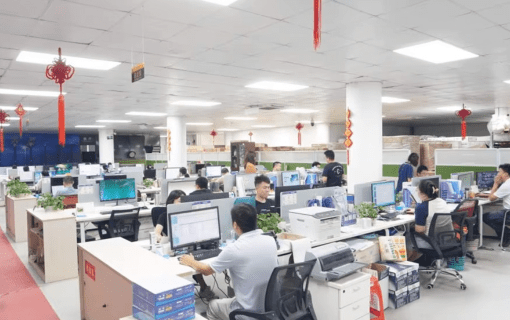
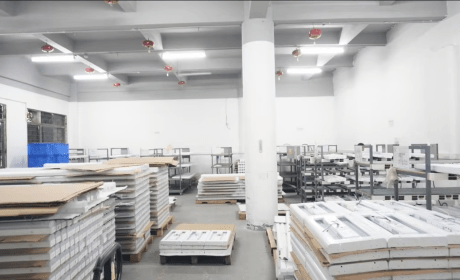
Based in Shanghai, a major international business and technology center, Lume Light benefits from strong supply chain resources and advanced manufacturing capabilities. The company operates a modern production facility equipped with automated assembly lines and strict quality control systems, ensuring consistent product performance and reliability.
Driven by innovation and sustainability, the company continues to invest in research and development, integrating smart lighting technologies and energy-saving designs. With a commitment to quality and customer satisfaction, Shanghai Lume Light Co., Ltd. is steadily strengthening its global presence and providing efficient, future-ready LED lighting solutions worldwide.
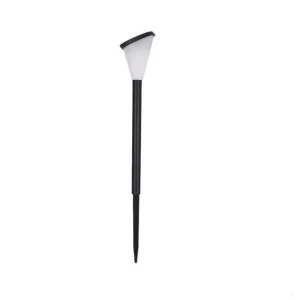
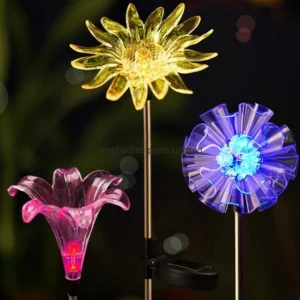
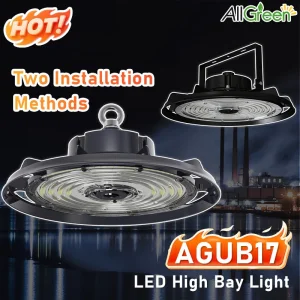
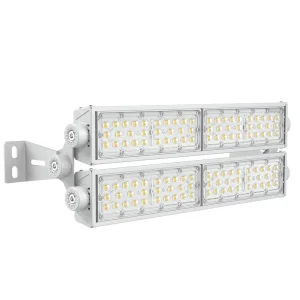
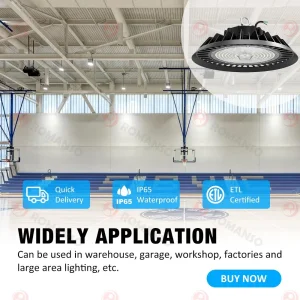
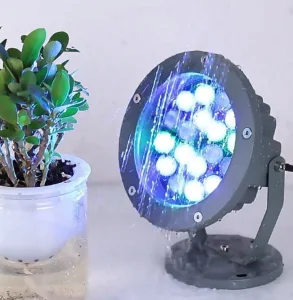
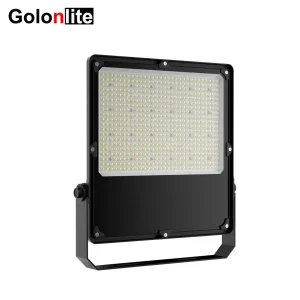
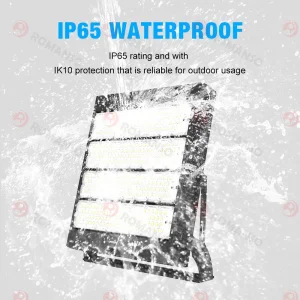
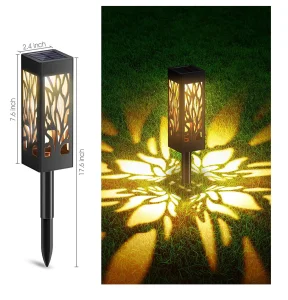
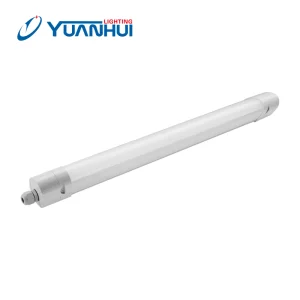
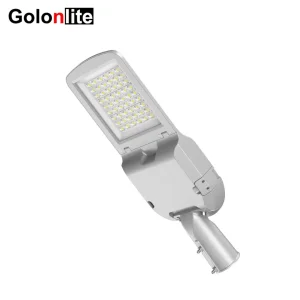
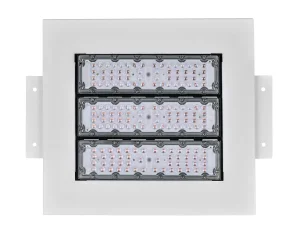
Over the years, Shanghai Lume Light has expanded its product portfolio to include industrial lighting systems for factories and warehouses, high-efficiency area lighting for large outdoor spaces, and decorative yet functional garden lighting solutions. Its products are widely used in infrastructure projects, commercial complexes, and landscape lighting applications.
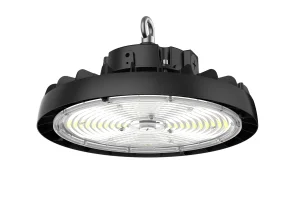
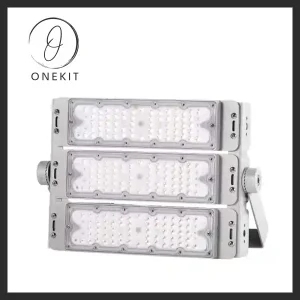
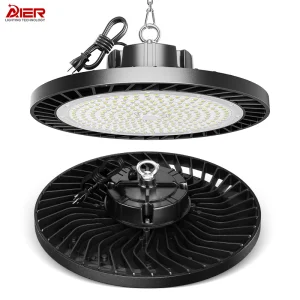
The company's core strength lies in its vertical integration. By handling R&D, structural design, optical simulation, and photometric analysis internally, Lume Light guarantees that all exported fixtures—whether high bays, flood lights, or architectural-grade recessed downlights—meet international benchmarks. The facility operates in strict adherence to ISO 9001:2015 quality standards, with regular automated testing for insulation resistance, thermal cycles, and lumen maintenance.
4. Global Application Scenarios & Macro Industry Solutions
Gimbal LED lights are dynamic assets that optimize visual metrics across different spaces. Unlike fixed downlights, their directional capacity enables designers to build flexible lighting configurations.
Retail & Visual Merchandising
Highlighting textures and dynamic colors requires deep CRI (Ra > 90) and highly focused beams. Gimbal lights allow rapid reconfiguration when store layouts change, eliminating the need to rewire or relocate fixtures.
Art Galleries & Museums
Delicate artifacts require UV-free, zero-infrared beam paths. Adjustable gimbal optics allow docents and curators to establish precise grazing angles that showcase artwork relief without casting harsh shadows.
Modern Corporate Workspaces
Integrating task areas and common lounges requires lights that can transition from direct illumination to soft accent lighting. Gimbal lights integrate with smart controls to create adaptable workspaces.
In modern building retrofits, engineers often face complex layouts where high ceilings meet dynamic floor plans. Using standard downlights leads to poor light uniformity. By utilizing CE-compliant, adjustable gimbal lights, lighting designers can direct focus exactly where it is needed. Under the umbrella of Shanghai Lume Light's macro solutions, these directional fixtures work in tandem with industrial-grade high bays and outer floodlights to establish unified, energy-efficient building envelopes.
5. Future Technical Roadmap: Smart Connectivity & Human-Centric Lighting
The commercial lighting sector is shifting beyond simple energy savings toward system intelligence. The development of gimbal lighting architectures centers on three core innovations:
- IoT Integration & Smart Control Protocols: Future gimbal luminaires will feature built-in DALI-2 (Digital Addressable Lighting Interface), Zigbee, or Bluetooth Mesh controllers. This enables remote, digital beam steering and dynamic dimming down to 0.1% without replacing physical fixtures.
- Human-Centric Tunable White: Research indicates that dynamically adjusting color temperature (from a warm 2700K to a cool 6500K) to follow circadian rhythms improves workplace productivity. Next-generation gimbal assemblies integrate dual-channel LED engines that provide precise CCT tuning while keeping CRI values high.
- Sustainable Lifecycle Manufacturing: Following the EU’s Circular Economy Action Plan, future gimbal designs will feature modular components. This ensures LED drivers and optical modules can be upgraded or replaced without needing to dispose of the entire die-cast aluminum housing.