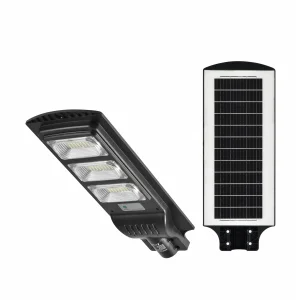
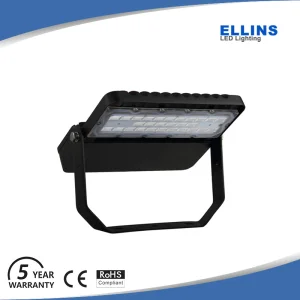
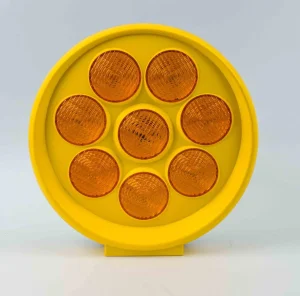
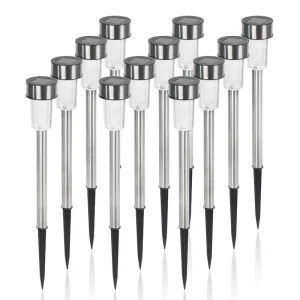
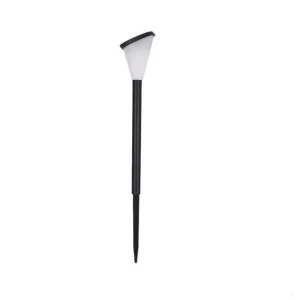
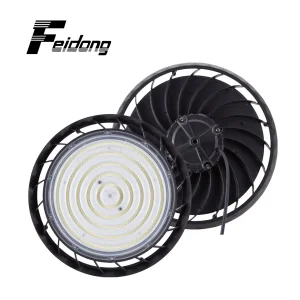
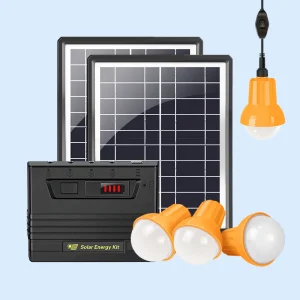
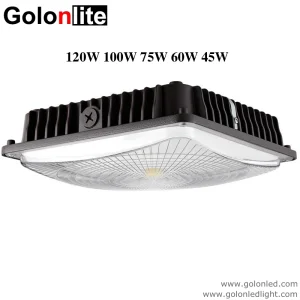
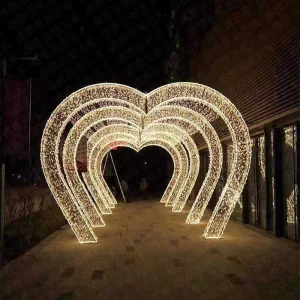
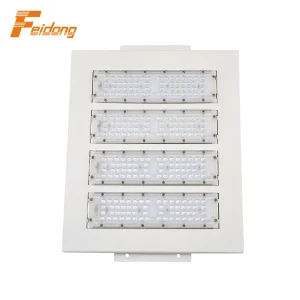
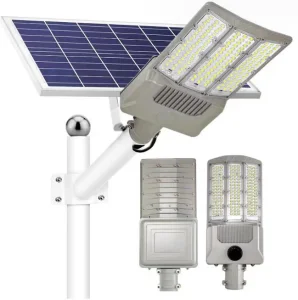
Explore the premium engineering standards of our core industrial, area, and solar configurations engineered for commercial longevity.
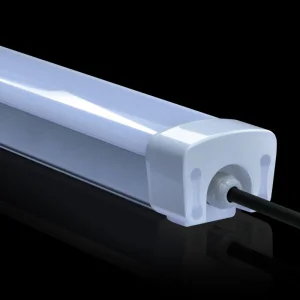
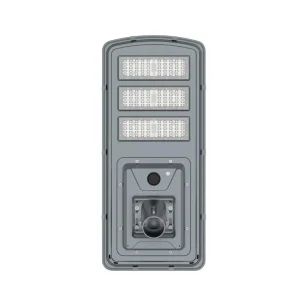
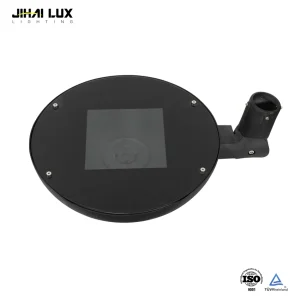
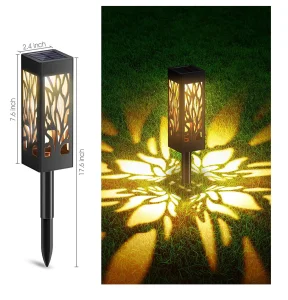
In the modern spatial design ecosystem, lighting is no longer treated as a purely utilitarian system intended to dispel darkness. It has evolved into an active component of structural aesthetics, architectural psychology, and human wellness. The global LED mood light industry has witnessed a paradigm shift from simple static colored fixtures to dynamic, intelligent, and spectrum-tunable environments. This evolution is driven by significant breakthroughs in light-emitting diode (LED) efficiency, micro-controller miniaturization, and advanced protocol standards such as Matter, DALI-2, and Bluetooth Mesh.
Historically, "mood lighting" was limited to basic RGB strips used in hospitality or retail accents. Today, it incorporates Human-Centric Lighting (HCL) technologies that emulate natural sunlight patterns to synchronize human circadian rhythms. This change has triggered a massive surge in market demand. Commercial properties, high-end residential complexes, healthcare centers, and educational institutes are now upgrading to sophisticated mood lighting to enhance productivity, accelerate healing, and establish strong brand identities. Consequently, the role of a top-tier LED mood light manufacturer has expanded from mere component assembly to system-level integration and custom spectrum design.
Precise control over color temperatures ranging from ultra-warm 1800K to cool 6500K daylight simulation, combined with multi-channel RGBW+IC chips.
Unified communication layers leveraging Zigbee, Wi-Fi 6, Thread, and KNX protocols to link architectural systems with building management nodes.
Next-generation high-efficacy emitters achieving up to 160 lm/W to conform with strict international carbon footprint regulations.
For wholesale purchasers, real estate developers, lighting designers, and importers, sourcing from an LED mood light manufacturer is a highly technical process. The modern procurement officer must navigate various design options, safety requirements, and supply-chain logistics. Standard consumer-grade lights are unsuitable for enterprise deployment. High-stress environments demand commercial-grade components designed to minimize downtime, maximize energy savings, and prevent premature degradation of light output.
When evaluating prospective factories, procurement teams focus on key quantitative and qualitative performance indicators:
Color consistency is a major challenge in large-scale mood light installations. Low-tier factories often mix LED chips from different manufacturing runs, resulting in noticeable color variations. Top-tier manufacturers employ a strict 3-step MacAdam Ellipse (SDCM < 3) binning standard. This practice ensures that every light fixture in a facility produces the exact same color wavelength and color temperature, maintaining visual uniformity.
Heat is the primary enemy of LED drivers and phosphor coatings. High-performance factories design their mood lights with robust aerospace-grade aluminum heat sinks, thermal interface materials (TIM), and intelligent thermal foldback protection. This preventative engineering ensures that the L70 lifespan exceeds 50,000 hours of continuous operations under challenging thermal conditions.
Modern commercial spaces demand specialized, integrated lighting solutions rather than generic off-the-shelf fixtures. A professional LED mood light factory must possess the engineering expertise to customize its systems for specific vertical markets:
In hotels, spas, and restaurants, lighting is carefully engineered to influence guest emotions. Seamless integration with Central Control Systems (Crestron, Lutron, Helvar) allows properties to transition smoothly between energetic breakfast settings and relaxed, intimate dinner atmospheres.
Modern corporate spaces rely on tunable white systems. High-intensity, blue-enriched light (approx. 5000K-6000K) is utilized during morning working hours to suppress melatonin production and enhance focus. In the late afternoon, the system shifts to a warm, low-intensity spectrum to help employees transition comfortably out of the workday.
In retail settings, high color rendering indexes (CRI > 90, R9 > 50) are essential for displaying merchandise accurately. The addition of subtle, color-shifting background elements creates a distinctive visual brand identity and guides customer movement throughout the retail space.
An outstanding example of industrial excellence is Shanghai Lume Light Co., Ltd., which has grown into a reliable LED lighting manufacturer, specializing in industrial, area, and garden lighting solutions for global markets. Since its establishment, the company has focused on delivering energy-efficient, durable, and high-performance lighting products that meet the evolving needs of commercial and industrial applications.
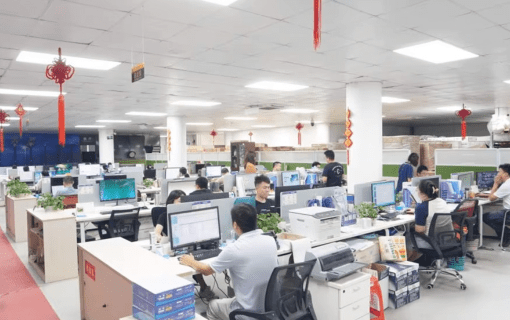
Based in Shanghai, a major international business and technology center, Lume Light benefits from strong supply chain resources and advanced manufacturing capabilities. The company operates a modern production facility equipped with automated assembly lines and strict quality control systems, ensuring consistent product performance and reliability.
Over the years, Shanghai Lume Light has expanded its product portfolio to include industrial lighting systems for factories and warehouses, high-efficiency area lighting for large outdoor spaces, and decorative yet functional garden lighting solutions. Its products are widely used in infrastructure projects, commercial complexes, and landscape lighting applications.
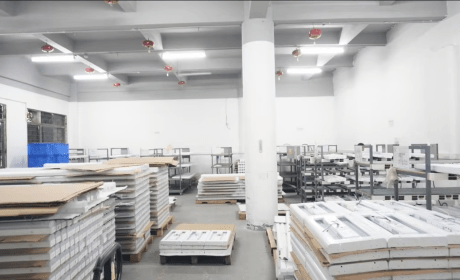
Driven by innovation and sustainability, the company continues to invest in research and development, integrating smart lighting technologies and energy-saving designs. With a commitment to quality and customer satisfaction, Shanghai Lume Light Co., Ltd. is steadily strengthening its global presence and providing efficient, future-ready LED lighting solutions worldwide.
The future of LED mood lighting is closely linked to advances in building automation and IoT. Forward-looking manufacturers are shifting their design focus from simple lighting fixtures to integrated digital platforms.
The industry is moving away from proprietary control standards toward open ecosystem models. Future-ready lighting systems are built on the Matter protocol, ensuring seamless plug-and-play interoperability with smart platforms from Apple, Google, Amazon, and Samsung.
Next-generation mood lighting systems utilize advanced multi-spectral arrays to replicate the continuous spectrum of natural daylight, improving mood, concentration, and sleep-wake cycles in indoor environments.
Using Mini-LED and Micro-LED matrices, future lighting designs will integrate directly into wall surfaces, fabrics, and transparent materials. This allows structures to emit functional mood lighting without visible, obtrusive fixtures.
Global commercial projects demand strict compliance with international safety and performance standards. A certified manufacturer must hold appropriate accreditations for different regions:
Mandatory for the European Economic Area, guaranteeing electrical safety, electromagnetic compatibility, and restriction of hazardous substances.
Crucial safety standard validation for North American building codes, reducing project risk and commercial insurance liabilities.
Ensures wireless smart components do not emit harmful radio frequency interference with local networks.
Qualifies commercial installations for energy efficiency rebates, significantly lowering the total cost of ownership.
Find detailed answers to critical technical questions to streamline your next procurement run.
High-spec solar and architectural solutions engineered to deliver exceptional performance in the most demanding conditions.
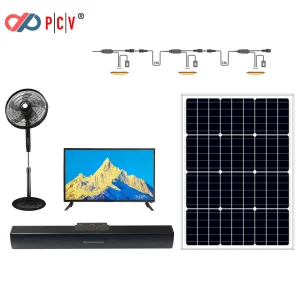
 Lume Light