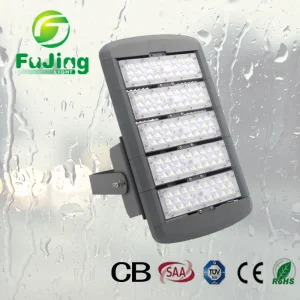
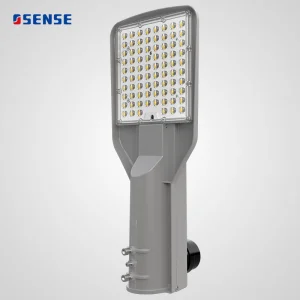
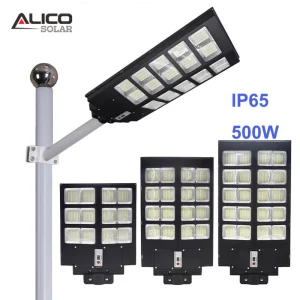
High-efficiency, zero-carbon, and robust structural engineering configurations optimized for commercial, industrial, and landscaping deployments.
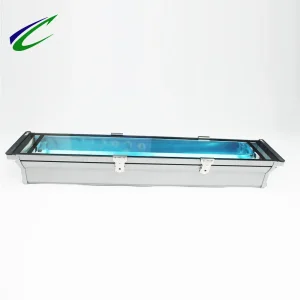
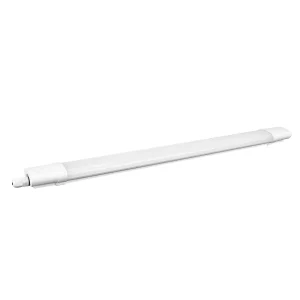
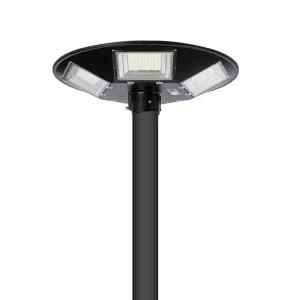
In modern architecture, lighting has transitioned from a basic functional utility to a primary structural, environmental, and emotional design vector. The global commercial and industrial recessed lighting market is undergoing rapid evolution. Driven by strict energy regulations, carbon-neutrality initiatives, and the rise of smart office systems, companies worldwide are upgrading legacy infrastructure to sophisticated LED luminaires.
Recessed downlights and linear fixtures are essential in commercial spaces like retail centers, healthcare facilities, and offices. The demand goes beyond basic illumination. Today's projects require precise optical performance, including low Unified Glare Rating (UGR < 19), customizable beam angles, high Color Rendering Index (CRI ≥ 90, R9 > 50), and clean integration into digital building management systems via DALI-2, 0-10V, or wireless IoT protocols.
"The shift toward human-centric lighting (HCL) and adaptive CCT (Correlated Color Temperature) tuning has positioned recessed luminaires as key components in enhancing workplace productivity and occupant well-being. Modern architectural downlights must support dynamic circadian profiles while meeting strict efficacy targets of over 120 lm/W."
In North America and Europe, certifications such as Energy Star, DesignLights Consortium (DLC), CE, and RoHS dictate market entry. Building owners must also comply with codes like California's Title 24 or Europe's Energy-related Products (ErP) Directive. Consequently, sourcing from factories that offer reliable, certified drivers, excellent thermal management, and traceable optical materials has become a major priority for global procurement offices.
China continues to lead the global supply chain for LED recessed lights and commercial luminaires. This is not just due to labor cost advantages, but also because of highly integrated industrial clusters, advanced automated manufacturing, and rapid prototyping capabilities. The Yangtze River Delta and Pearl River Delta regions house complete ecosystems, supplying everything from raw silicon substrates and epitaxy wafers to precision optics, die-cast aluminum heat sinks, and advanced drivers.
This integration ensures strict quality control and fast turnaround times. A custom architectural recessed downlight project requiring changes to the trim bezel, optics, or driver housing can be prototyped, thermally tested, and readied for production in weeks, compared to months in other regions. In addition, the concentration of test labs like TÜV, SGS, and UL partners in coastal manufacturing centers allows for fast verification against international safety and performance standards.
Modern Chinese factories have transitioned to fully automated Surface Mount Technology (SMT) lines. By reducing human contact during delicate chip-on-board (COB) or discrete SMD placement, factories significantly decrease the risk of electrostatic discharge (ESD) and solder joint failure. Advanced Automated Optical Inspection (AOI) systems check every single LED module, while computerized spectral testing ensures tight binning. As a result, color tolerance is kept within a 3-step MacAdam Ellipse (SDCM < 3) for high-end projects.
High-speed automated component placement minimizing thermal stress and maximizing electrical contact reliability.
Direct access to metal extrusion, die-casting, and optical PC mold facilities reduces cost by up to 35%.
Fully compliant with international CE, RoHS, UL, and DLC standards, ensuring smooth customs and project acceptance.
The application of high-efficiency LED recessed lights is highly context-dependent. Modern projects require a tailored approach that integrates physical architecture with specific optical designs:
The industry is rapidly shifting toward smart control systems. Dynamic white tunability, daylight harvesting sensors, and predictive maintenance tracking are becoming standard specifications in Class-A commercial properties. Additionally, circular economy design principles are gaining traction. Manufacturers are shifting away from sealed, non-serviceable downlights. Instead, they are developing modular designs that allow maintenance crews to easily swap out drivers or LED engines without replacing the entire aluminum housing.
Innovating and Manufacturing Future-Ready Lighting Systems for Global Industries
Shanghai Lume Light Co., Ltd. has grown into a reliable LED lighting manufacturer, specializing in industrial, area, and garden lighting solutions for global markets. Since its establishment, the company has focused on delivering energy-efficient, durable, and high-performance lighting products that meet the evolving needs of commercial and industrial applications.
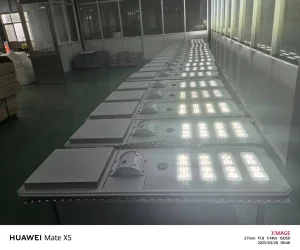
Based in Shanghai, a major international business and technology center, Lume Light benefits from strong supply chain resources and advanced manufacturing capabilities. The company operates a modern production facility equipped with automated assembly lines and strict quality control systems, ensuring consistent product performance and reliability.
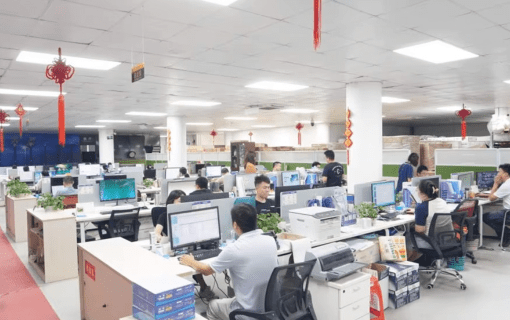
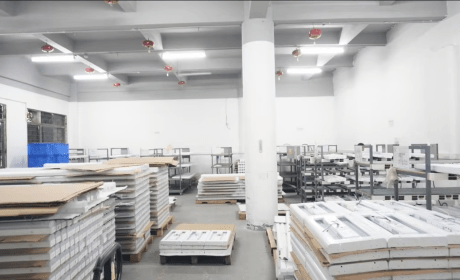
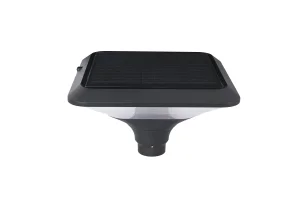
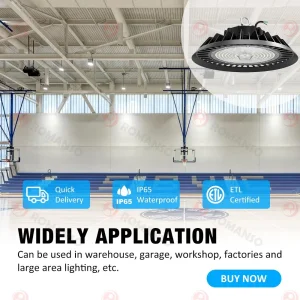
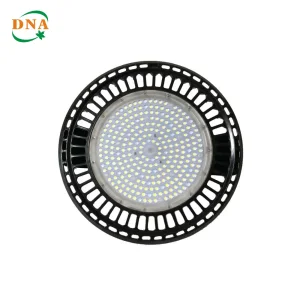
Over the years, Shanghai Lume Light has expanded its product portfolio to include industrial lighting systems for factories and warehouses, high-efficiency area lighting for large outdoor spaces, and decorative yet functional garden lighting solutions. Its products are widely used in infrastructure projects, commercial complexes, and landscape lighting applications.
Driven by innovation and sustainability, the company continues to invest in research and development, integrating smart lighting technologies and energy-saving designs. With a commitment to quality and customer satisfaction, Shanghai Lume Light Co., Ltd. is steadily strengthening its global presence and providing efficient, future-ready LED lighting solutions worldwide.
For lighting designers, OEM brand managers, and commercial building contractors, choosing the right LED recessed light supplier is a multi-step process. Beyond comparing prices, smart buyers use a comprehensive assessment checklist to evaluate suppliers:
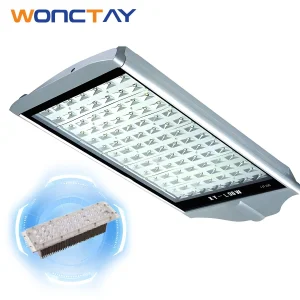
Extending architectural quality to high-power industrial floodlights, street lighting, and ruggedized outdoor solutions.
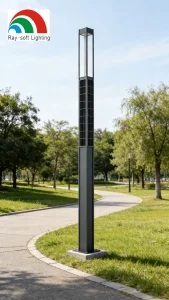
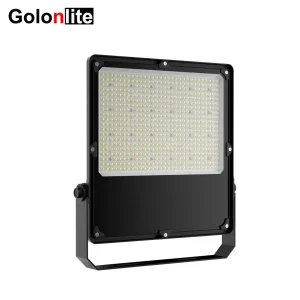
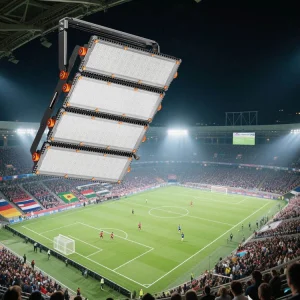
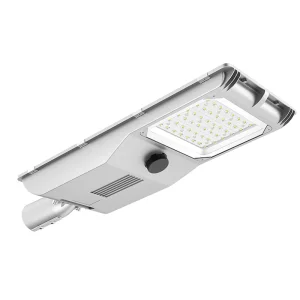
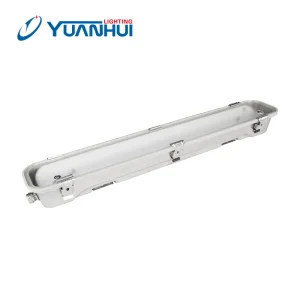
Essential insights on engineering standards, manufacturing processes, and installation configurations for lighting professionals.
 Lume Light