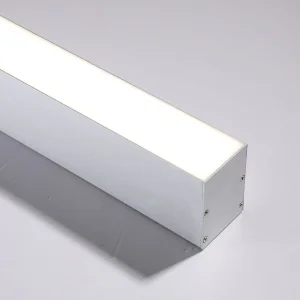
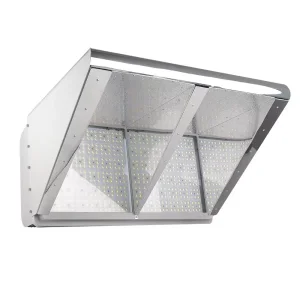
Explore our engineered lineup of LED illumination systems manufactured under stringent ISO9001 and ISO14001 quality frameworks. Designed for retail display, industrial logistics, and high-footfall commercial venues, these fixtures embody high efficacy, minimal color deviation, and extended structural integrity.
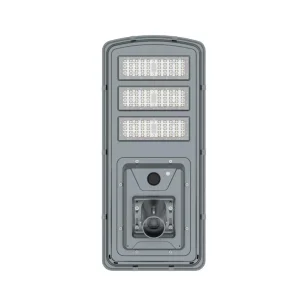
In the hyper-competitive global retail ecosystem, physical store environments have transitioned from transactional points of sale into immersive experiential hubs. At the core of this strategic metamorphosis is precision spectral engineering. Retail display lighting is no longer evaluated merely by raw lumen output per watt, but by its capacity to enhance visual merchandising fidelity, manipulate consumer spatial perception, and drive conversion metrics through high Color Rendering Index (CRI) and TM-30-18 color vector graphics.
Leading international brands operating luxury boutiques, grocery chains, automotive showrooms, and apparel outlets require light sources that faithfully render textures, material depth, and subtle color hues. Traditional lighting solutions often fail due to spectral gaps in the saturated red spectrum (R9 values), resulting in dull product displays. Top China LED retail display light factories have responded by engineering customized Chip-on-Board (COB) arrays and Surface-Mounted Device (SMD) architectures that yield CRI > 97, R9 > 90, and strict MacAdam Ellipse steps (SDCM < 3) to guarantee color uniformity across expansive display shelves.
Beyond chromatic fidelity, glare control has emerged as a crucial photometric metric. High Unified Glare Ratings (UGR < 16) achieved via specialized micro-prismatic optics and anti-glare louvers ensure that retail store visitors experience optimal visual comfort without visual fatigue. China’s advanced manufacturing centers now integrate deep-recessed optical reflectors and adjustable beam angles (ranging from 15° narrow spots for accent accentuation to 60° wide floods for ambient balance), enabling lighting designers to layer light effectively within complex commercial floor plans.
Procurement directors and commercial facility engineers face an increasingly complex regulatory landscape. European Union directives such as the Ecodesign Regulations (ErP) and RoHS, alongside North American standards including Title 24 Building Energy Efficiency and DesignLights Consortium (DLC) Premium listings, mandate stringent limits on energy consumption and material sustainability. Global buyers sourcing from China LED display light factories are demanding full transparency across supply chains, verified by Scope 1, 2, and 3 carbon accounting.
Advanced thermal dissipation engineering utilizing cold-forged 6063 aluminum heat sinks prevents junction temperature rise, preserving luminaire efficiency above 150 lm/W over 50,000 operational hours.
Seamless integration of DALI-2, 0-10V, Zigbee 3.0, and Bluetooth Mesh protocols allows real-time daylight harvesting, motion-triggered occupancy dimming, and centralized energy monitoring.
High-grade isolated power supplies with ripple currents < 1% eliminate visible and stroboscopic flicker, ensuring full compliance with IEEE 1789 standards for HD retail filming and security camera operation.
The concentration of high-tech LED manufacturing clusters in East China (including Shanghai, Jiangsu, and Zhejiang) has redefined international procurement expectations. China's transition to Industry 4.0 manufacturing integrates high-speed automated Surface Mount Technology (SMT) lines, robotic optical assembly, automated optical inspection (AOI), and continuous burn-in environmental testing chambers.
This industrial density yields unparalleled supply chain resilience. Core components—ranging from high-purity aluminum extrusion profiles and high-transmittance PMMA lenses to world-class LED chips (such as Bridgelux, Lumileds, and Cree) and premium drivers (MeanWell, Done, Lifud)—are strategically sourced within local industrial radiuses. This drastically cuts lead times for custom OEM/ODM modifications, allowing global brand architects to move from CAD design to working prototype in as little as 7 to 14 days.
| Evaluation Parameter | Standard Commercial Luminaires | China Industry 4.0 Spec (Lume Light Standard) |
|---|---|---|
| Color Rendering Index (CRI) | Ra 80+ / R9 > 0 | Ra 95+ / R9 > 80 (Custom Spectrum Available) |
| Luminous Efficacy | 100 - 120 lm/W | 140 - 170 lm/W (System Level) |
| Driver Ripple / Flicker | < 5% Ripple (Basic Dimming) | < 1% Ripple (IEEE 1789 Compliant Flicker-Free) |
| Thermal Management | Cast Aluminum Alloys (Basic Fin Design) | Cold-Forged 6063 Aluminum + Phase-Change Heat Pipes |
| Control Protocols | Standard On/Off or Triac Dimming | DALI-2, Zigbee 3.0, LoRa, IoT Mesh Integration |
| Warranty & Lifespan | 2 to 3 Years (L70) | 5 to 10 Years (L90/B10 Verified) |
Shanghai Lume Light Co., Ltd. has grown into a reliable LED lighting manufacturer, specializing in industrial, area, and garden lighting solutions for global markets. Since its establishment, the company has focused on delivering energy-efficient, durable, and high-performance lighting products that meet the evolving needs of commercial and industrial applications.
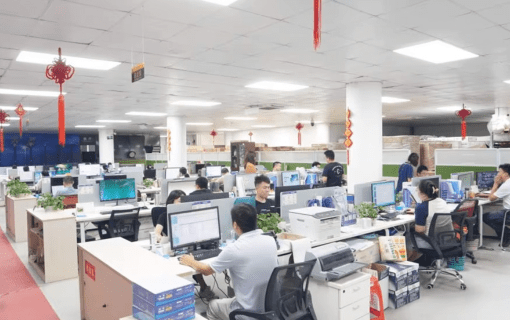
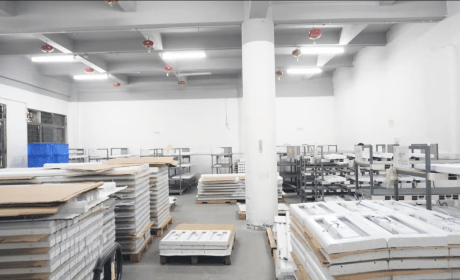
Based in Shanghai, a major international business and technology center, Lume Light benefits from strong supply chain resources and advanced manufacturing capabilities. The company operates a modern production facility equipped with automated assembly lines and strict quality control systems, ensuring consistent product performance and reliability.
Over the years, Shanghai Lume Light has expanded its product portfolio to include industrial lighting systems for factories and warehouses, high-efficiency area lighting for large outdoor spaces, and decorative yet functional garden lighting solutions. Its products are widely used in infrastructure projects, commercial complexes, and landscape lighting applications.
Driven by innovation and sustainability, the company continues to invest in research and development, integrating smart lighting technologies and energy-saving designs. With a commitment to quality and customer satisfaction, Shanghai Lume Light Co., Ltd. is steadily strengthening its global presence and providing efficient, future-ready LED lighting solutions worldwide.
Deploying commercial and retail lighting requires rigorous attention to architectural physics and spatial functionality. China's top manufacturers engineer task-specific lighting architectures designed to maximize visual efficiency and longevity across diverse application settings:
Photometric Challenge: Displaying fabric textures and vibrant colors without creating harsh shadows or color shifts under continuous operation.
Engineered Solution: High-CRI (>95) track accent spotlights with changeable optical lenses (15°/24°/38°). High R9 values ensure true red color rendering, while anti-glare louvers preserve customer optical comfort.
Photometric Challenge: Enhancing the freshness of meats, produce, and bakery goods while mitigating heat radiation that accelerates perishable decay.
Engineered Solution: Spectrum-tailored linear display luminaires with UV/IR-free LED arrays. Specialized color temperatures (e.g., 2500K for bakery, 3000K with enhanced red spike for meats) maximize shelf appeal without thermal output.
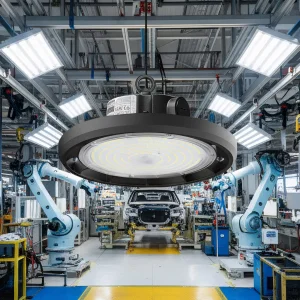
Photometric Challenge: High-ceiling illumination requiring high lumen output, extreme dust/moisture resistance, and emergency reliability.
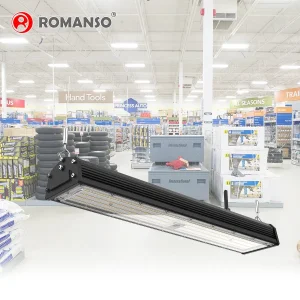
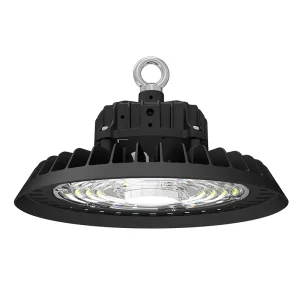
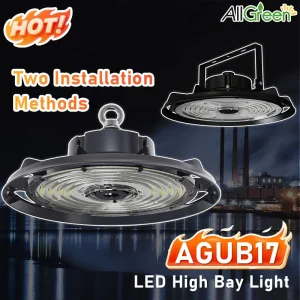
Engineered Solution: IP65/IP66 rated High Bay and Linear LED fixtures. Utilizing anti-glare optics and emergency battery backup modules ensures continuous 24/7 logistical operation with minimal maintenance overhead.
Photometric Challenge: Broad outdoor area illumination subjected to harsh weather, humidity, and variable power grids.
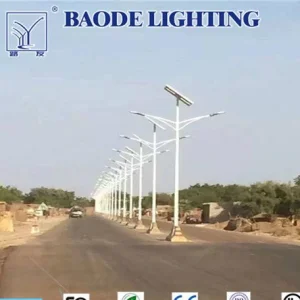
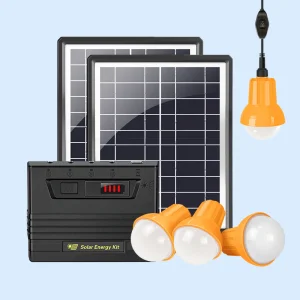
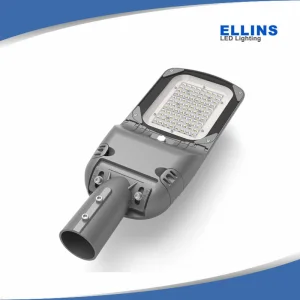
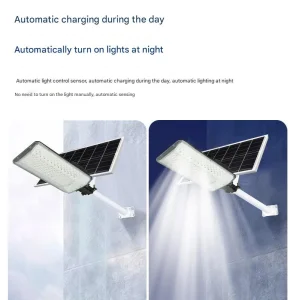
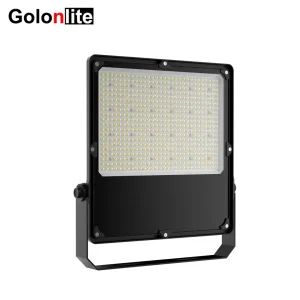
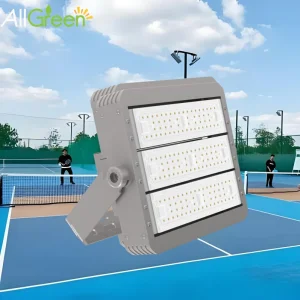
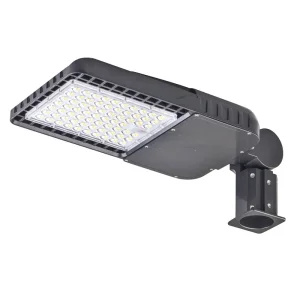
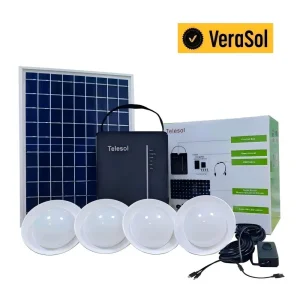
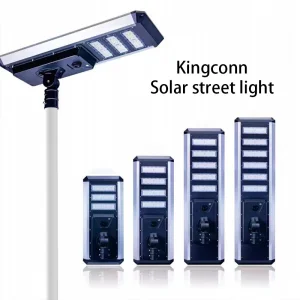
Engineered Solution: Modular LED Flood Lights, Shoebox Parking Lot Fixtures, and Smart Solar Street Lights featuring IP66/IP67 ingress protection, surge protection devices (10kV/20kV), and smart Zigbee/LoRa remote controls.
Complete your project specification with our high-durability floodlights, linear bays, and standalone solar lighting systems engineered for demanding commercial, municipal, and industrial applications globally.
Get direct answers to common engineering, quality assurance, and commercial procurement queries when sourcing commercial and retail display lights from leading Chinese manufacturers.
Leading manufacturers utilize strict binning protocols directly from LED chip suppliers (such as Bridgelux, Lumileds, or Cree). By enforcing a 3-step MacAdam Ellipse (SDCM < 3) standard, factories ensure that variations in color temperature (CCT) are imperceptible to the human eye, preserving identical visual aesthetics across vast retail floor installations.
Standard CRI (Ra) calculations only average eight pastel color samples (R1-R8), completely ignoring saturated red (R9). In retail environments—particularly apparel, cosmetics, fresh meat displays, and luxury goods—a high R9 value (> 80 or > 90) is vital for vibrant red rendering, preventing merchandise from looking washed out or sickly under artificial light.
Factories incorporate high-conductivity cold-forged 6063 aluminum housing structures, thermal interface materials (TIM) with conductivity > 3.0 W/mK, and direct-copper-bonded (DCB) substrate boards. This keeps internal LED junction temperatures below 75°C, ensuring compliance with LM-80 standards and guaranteeing L90/B10 operational lifespans exceeding 50,000 hours.
Cheap PWM (Pulse Width Modulation) dimming can introduce high-frequency stroboscopic flicker, causing dark banding on smartphone cameras and eye strain for store occupants. Chinese tier-1 factories utilize amplitude modulation (CCR - Constant Current Reduction) flicker-free drivers with ripple currents < 1%, fully compliant with IEEE 1789-2015 health and safety standards.
Yes. Manufacturers like Shanghai Lume Light offer modular driver cavities compatible with DALI-2 DT6/DT8 digital control, 0-10V analog dimming, as well as wireless IoT modules including Zigbee 3.0, LoRaWAN, and Bluetooth Mesh. This allows centralized energy monitoring, dynamic daylight harvesting, and automated scheduling across global store networks.
Importers should verify that products carry comprehensive test reports from accredited third-party laboratories (e.g., SGS, TUV, Intertek). Key certifications include CE (LVD/EMC Directives), RoHS compliance for hazardous substances, IP65/IP66 waterproof reports, IK08/IK10 impact resistance ratings, and ISO9001 quality management verification for the manufacturing facility.
 Lume Light