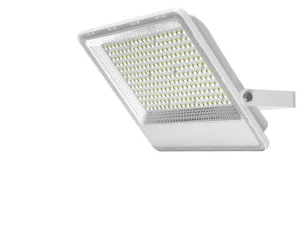
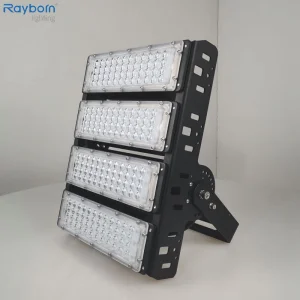
Direct manufacturer configurations designed for rugged operational demands. Certified under globally recognized standards including UL, CE, RoHS, and DLC Premium for robust commercial utility rebate eligibility.
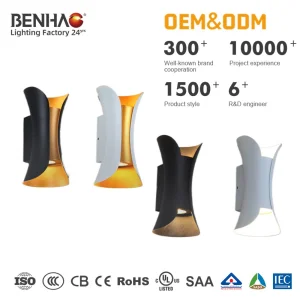
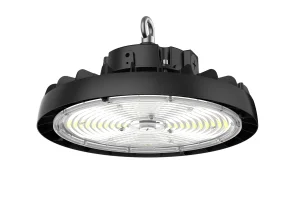
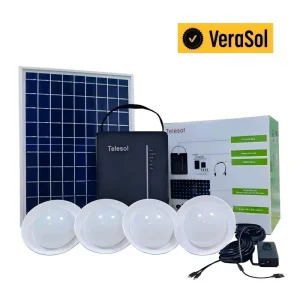
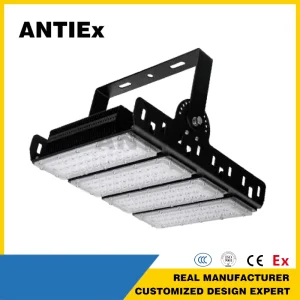
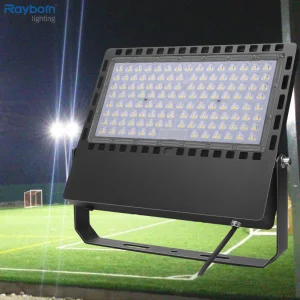
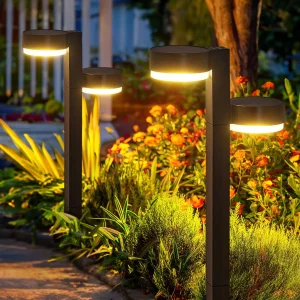
Shanghai Lume Light Co., Ltd. has grown into a reliable LED lighting manufacturer, specializing in industrial, area, and garden lighting solutions for global markets. Since its establishment, the company has focused on delivering energy-efficient, durable, and high-performance lighting products that meet the evolving needs of commercial and industrial applications.
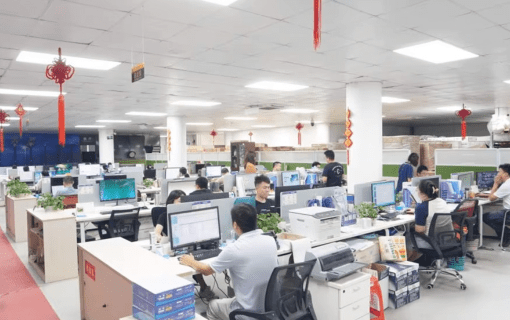
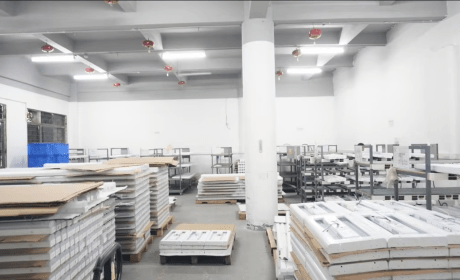
Based in Shanghai, a major international business and technology center, Lume Light benefits from strong supply chain resources and advanced manufacturing capabilities. The company operates a modern production facility equipped with automated assembly lines and strict quality control systems, ensuring consistent product performance and reliability.
Over the years, Shanghai Lume Light has expanded its product portfolio to include industrial lighting systems for factories and warehouses, high-efficiency area lighting for large outdoor spaces, and decorative yet functional garden lighting solutions. Its products are widely used in infrastructure projects, commercial complexes, and landscape lighting applications.
The global LED spotlight and industrial floodlight market is undergoing a structural transition driven by strict energy efficiency mandates, net-zero greenhouse gas policies, and an operational requirement to lower the Total Cost of Ownership (TCO). Procurement managers at major warehousing, manufacturing, and port operations are no longer evaluating light fixtures purely on initial unit cost. Instead, the focus has shifted toward lifetime efficacy, driver MTBF (Mean Time Between Failures), and spatial light distribution accuracy.
In modern industrial facilities, lighting contributes up to 40% of standard electrical load if unmanaged. The integration of advanced solid-state optical platforms allows municipal and industrial entities to reduce active wattage by 60% to 80% when replacing high-intensity discharge (HID) or high-pressure sodium (HPS) installations. However, achieving these savings requires navigating challenges related to thermal degradation and voltage instability within the local power grid, making advanced engineering design critical.
B2B procurement programs must prioritize active thermal management (using die-cast ADC12 aluminum thermal pathways) and the integration of certified ripple-free driver modules (PF > 0.95, THD < 10%). Standard low-grade power supplies cause localized stroboscopic flicker, which impairs high-speed camera monitoring and increases industrial fatigue. Sourcing engineers should demand test data demonstrating compliance with LM-79, LM-80, and TM-21 standards.
| Lighting Category | Typical Wattage Range | Beam Angle Options | IP/IK Rating Specs | Primary Certifications |
|---|---|---|---|---|
| High Bay Warehousing | 100W - 240W | 60° / 90° / 120° | IP65 / IK08 | UL, DLC 5.1 Premium, CE, RoHS |
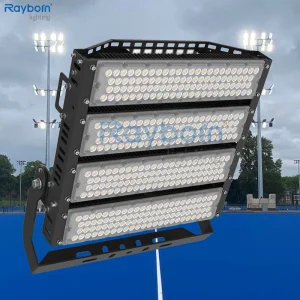
| Stadium & Sports Field | 250W - 1500W | 15° / 30° / 45° / Asymmetric | IP66 / IP67 / IK10 | CE, CB, CQC, RoHS |
| Explosion-Proof Low Bay | 40W - 80W | 120° Wide Distribution | IP66 / Ex d IIB T6 Gb | ATEX, IECEx, CE |
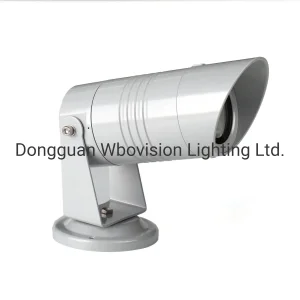
| Architectural & Landscape | 15W - 100W | 10° / 24° / 36° / RGBW | IP65 / IP66 | CE, GS, RoHS |
Choosing between Chip-on-Board (COB) and Surface Mounted Device (SMD) arrays depends on the target application. COB technology provides a concentrated, single center-point light source that is optimal for narrow beam angles (<24°) required in accent spotlights and long-range illumination. SMD arrays, conversely, distribute thermal loads across a wider surface area, providing higher lumen-per-watt efficiency in low bay, high bay, and floodlight configurations.
Modern spotlight lenses rely on optical-grade PMMA (Polymethyl Methacrylate) or UV-stabilized Polycarbonate (PC) to shape light distribution. PMMA offers optical transparency up to 92%, making it the material of choice for high-efficacy, non-impact environments. PC, with its superior impact resistance rating (up to IK10), is utilized in high-vibration manufacturing bays, sports stadiums, and vandal-resistant outdoor security light fixtures.
Integrating DALI-2, 0-10V analog dimming, and wireless mesh topologies (such as Zigbee 3.0 or Bluetooth mesh) allows commercial operators to deploy complex lighting schedules. Automated daylight harvesting and occupancy detection can reduce energy consumption by up to 35% compared to static LED installations, while also providing predictive maintenance alerts by tracking driver operating temperatures.
Driven by innovation and sustainability, Shanghai Lume Light continues to invest in research and development, integrating smart lighting technologies and energy-saving designs. With a commitment to quality and customer satisfaction, Shanghai Lume Light Co., Ltd. is steadily strengthening its global presence and providing efficient, future-ready LED lighting solutions worldwide.
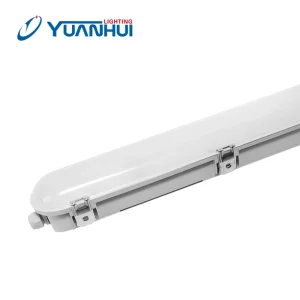
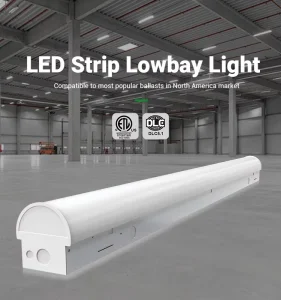
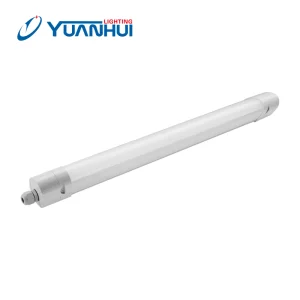
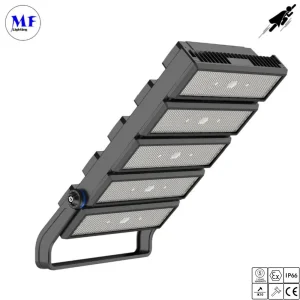
Every commercial application requires a tailored lighting layout. In high-density logistics facilities, linear low bay and tri-proof lights (such as IP65, IK08 waterproof battens) minimize shadowing between high storage racks. High-mast stadium floodlights, ranging from 250W to 1500W, use narrow-angle asymmetric PMMA lenses to project uniform illumination onto playing surfaces while controlling spill light in surrounding municipal areas.
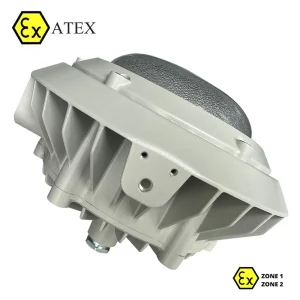
For hazardous and petrochemical zones, explosion-proof, ATEX-certified low bay luminaires are engineered to contain internal electrical sparks, preventing ignition in environments where volatile vapors are present. Meanwhile, architectural landscape installations demand customizable 15W-100W RGBW spots. These systems integrate with DMX512 controllers to support dynamic color sequencing, providing precise aesthetic control for exterior building facades.
A critical point of failure in low-quality LED imports is early driver decay caused by poor thermal management and inadequate surge protection. Shanghai Lume Light mitigates these failure modes through rigorous factory testing protocols. Production batches undergo automated 48-hour high-voltage burn-in cycles alongside thermal imaging checks. This process ensures the structural integrity of solder joints and the reliable performance of the driver thermal path.
Access to Shanghai’s advanced maritime infrastructure supports dependable supply chain logistics. Proximity to deepwater port terminals facilitates reliable containerized shipping schedules and reduces export transit times to North American and European hubs. Shanghai Lume Light provides full documentation for B2B procurement compliance, offering IES photometric files, Dialux lighting calculations, LM-80 test reports, and regional certifications including UL, DLC, GS, CE, and ATEX.
Optimal beam angle selection depends on the mounting height and target area size. For mounting heights above 20 meters, narrow angles of 15° to 30° concentrate light to maintain lux levels at ground level. Lower mounting heights (8 to 12 meters) typically use wider angles of 60° to 90° or asymmetric distributions to cover broader areas with fewer fixtures.
The MacAdam Ellipse rating indicates color consistency across LED chips. An SDCM rating below 3 guarantees that color variations are virtually imperceptible to the human eye, ensuring visual uniformity. This is a critical quality standard for commercial wall-washing and multi-fixture architectural installations.
LED drivers are vulnerable to grid fluctuations, transient voltage spikes, and localized heat buildup. Low-quality drivers lack protection against thermal overloads and voltage surges. Industrial-grade fixtures use drivers equipped with at least 10kV surge protection, active power factor correction, and thermal foldback to protect components during extreme events.
DLC 5.1 Premium certified luminaires meet strict efficacy, glare control, and thermal performance standards. Sourcing these certified fixtures allows commercial projects in North America to qualify for utility rebates, which can offset up to 50% of initial equipment purchasing costs.
High-temperature installations require robust passive thermal management, such as die-cast ADC12 aluminum housings with dedicated convective cooling fins. This design keeps the junction temperature of the LED chips below critical thresholds, preventing rapid lumen depreciation and color shift over time.
ATEX certification verifies that a fixture is designed to prevent explosive atmospheres from igniting. It ensures flameproof enclosures, limited maximum surface temperatures, and impact-resistant materials, preventing sparks or heat from escaping and causing ignition in hazardous environments.
PMMA offers high optical clarity (92%) and UV stability, making it ideal for standard outdoor environments. PC provides high impact resistance (IK10) for industrial areas prone to physical contact. Tempered glass provides chemical resistance and thermal stability for demanding industrial settings.
High-quality industrial spotlights are rated for L90 at 50,000 hours, meaning they retain at least 90% of their initial light output after 50,000 hours of continuous use. Under typical 12-hour daily operating conditions, this translates to over 11 years of maintenance-free service.
Additional industrial, architectural, and hazardous area fixtures designed for long-term reliability in high-demand global operations.
 Lume Light