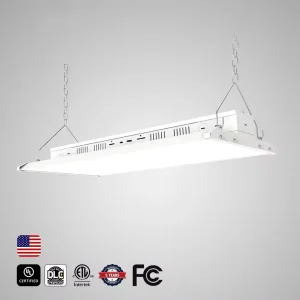
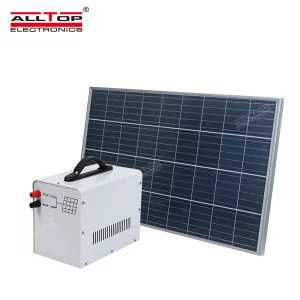
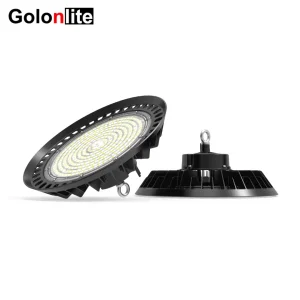
Explore our top-tier commercial and industrial lighting portfolios, engineered for high reliability, certified compliance, and maximum energy savings across global infrastructure projects.
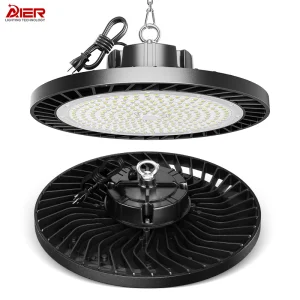
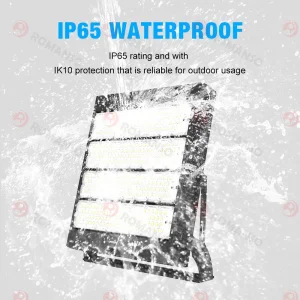
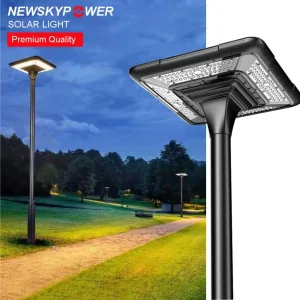
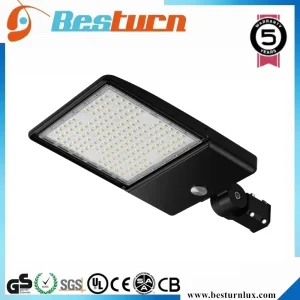
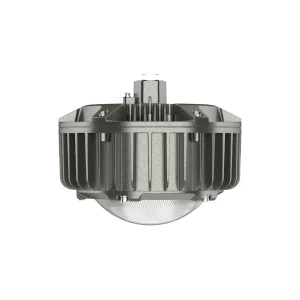
Shanghai Lume Light Co., Ltd. has grown into a reliable LED lighting manufacturer, specializing in industrial, area, and garden lighting solutions for global markets. Since its establishment, the company has focused on delivering energy-efficient, durable, and high-performance lighting products that meet the evolving needs of commercial and industrial applications.
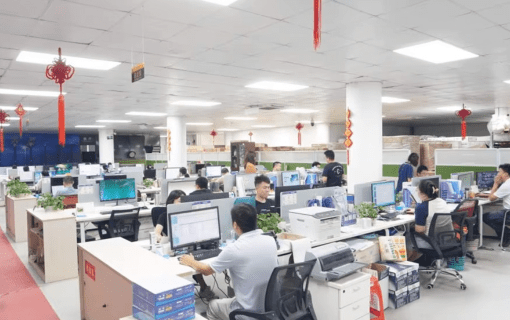
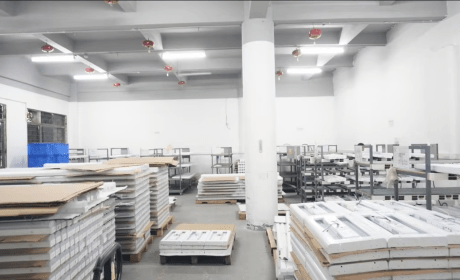
Based in Shanghai, a major international business and technology center, Lume Light benefits from strong supply chain resources and advanced manufacturing capabilities. The company operates a modern production facility equipped with automated assembly lines and strict quality control systems, ensuring consistent product performance and reliability.
Over the years, Shanghai Lume Light has expanded its product portfolio to include industrial lighting systems for factories and warehouses, high-efficiency area lighting for large outdoor spaces, and decorative yet functional garden lighting solutions. Its products are widely used in infrastructure projects, commercial complexes, and landscape lighting applications.
Driven by innovation and sustainability, the company continues to invest in research and development, integrating smart lighting technologies and energy-saving designs. With a commitment to quality and customer satisfaction, Shanghai Lume Light Co., Ltd. is steadily strengthening its global presence and providing efficient, future-ready LED lighting solutions worldwide.
In modern architectural and commercial design, track lighting is no longer a simple mechanical support system but a highly sophisticated optical apparatus. LED track lights must deliver exceptional light density, exact color rendering, and flexible beam control to satisfy premium spatial demands. High-end systems rely on Chip-on-Board (COB) technology, providing concentrated, glare-free lumination. Selecting track lights from premier Chinese manufacturers ensures that engineers and lighting designers get access to components built with optimized thermal architectures and superior optics.
High-end specifications require a MacAdam Ellipse of SDCM < 3, ensuring visual uniformity across hundreds of track fixtures. This eliminates noticeable shifts in color temperatures, especially crucial in retail storefronts.
Utilizing high-performance PMMA or polycarbonate TIR (Total Internal Reflection) lenses allows narrow beam angles (10° - 15°) for accent highlighting and wide beam distribution (40° - 60°) for wall washing.
Cold-forged pure aluminum and integrated heat pipes lower junction temperatures, preserving lumen maintenance over an L90B10 lifespan exceeding 50,000 operational hours.
China produces over 80% of the world's commercial LED track lights. This overwhelming dominance is built upon a complete, vertically integrated supply chain spanning from upstream epitaxial wafer growth and chip encapsulation to downstream driver manufacturing and optical engineering. Manufacturers like Shanghai Lume Light Co., Ltd. leverage these regional advantages to source materials efficiently and pass down cost reductions to the global procurement manager.
Raw components like die-cast aluminum tracks, silicone sealing rings, and custom copper wires are produced in nearby clusters, drastically compressing delivery times and allowing rapid turnaround for high-volume orders.
Leveraging Shanghai's massive international shipping corridors, logistics costs are optimized. This provides overseas buyers with reliable sea, air, and express freight options, minimizing the risk of supply chain disruptions.
High-volume production allows Chinese factories to amortize tool molding and custom fixture designs quickly. As a result, bespoke engineering requirements are significantly less expensive than in Western factories.
Enterprise-grade procurement managers, lighting planners, and commercial contractors prioritize strict performance indices over unit cost alone. When vetting LED track light manufacturers in China, global buyers require systematic assurances that the fixtures can withstand continuous commercial operation, adhere to building safety codes, and simplify installation.
Retail and display applications necessitate high color rendering (CRI > 90, R9 > 50). This guarantees that merchandise, textures, and displays are presented in their truest light, boosting retail conversion rates.
Modern workspaces and institutional interiors require glare suppression. Optimized deep reflector designs limit direct visual line-of-sight to the light source, minimizing visual strain and matching WELL Building standards.
Low-grade drivers can cause camera flicker and premature component failure. Buyers look for high-grade drivers (e.g., Lifud, MeanWell, Tridonic) that guarantee Ripple-Free execution and a Power Factor (PF) over 0.95.
Regulatory clearance is the cornerstone of frictionless global distribution. A major pitfall for overseas procurement is importing fixtures that fail local safety audits. Establishing direct alignment with certified Chinese manufacturers ensures complete documentation, localized voltage designs, and structural compliance with domestic electrical networks.
Products destined for the US and Canada must comply with UL 1574 (Track Lighting Systems standards) and FCC Part 15 Class B for electromagnetic emission controls. Class 2 electrical wiring is also heavily standardized.
CE marking, RoHS compliance, and ENEC certification verify structural safety and restriction of hazardous substances. Photobiological safety testing (EN 62471) is also vital for commercial public facilities.
Australian SAA certifications guarantee that 240V, 50Hz electrical components are structurally sound and safe from high-voltage degradation, protecting contractors from structural liability.
LED track lights provide highly adaptable lighting layouts, crucial for modern, dynamic spaces. Different industries require customized solutions to maximize architectural impact and light efficacy.
High-contrast accent ratios (e.g., 5:1 or 10:1) spotlight luxury merchandise, drawing customer focus. CCT tuning allows showrooms to shift from warm amber tones (3000K) to crisp daylight hues (5000K) based on seasonal collections.
Requires zero UV/IR radiation to safeguard delicate oil paintings and historical artifacts. Precise shutter cutoffs and framing projectors isolate light onto the canvases, creating a floating dramatic visual impact.
In open-plan workspaces, flexible track lines support hot-desking, collaborative zones, and meeting booths. Linear track inserts deliver diffuse ambient lighting, maintaining a healthy, high-productivity environment.
The lighting industry is rapidly pivoting toward intelligent IoT architectures. Static fixtures are being phased out in favor of dynamic nodes within unified building automation frameworks. Understanding these emerging integrations is essential when selecting future-proof track lighting hardware.
Direct Addressable Lighting Interface (DALI-2) allows granular control of individual fixtures on a single track. Alternatively, Casambi Bluetooth mesh protocol simplifies retrofit upgrades, eliminating additional control wiring.
HCL systems automatically adjust output and color temperature throughout the day, matching natural circadian cycles. This has been shown to boost focus in offices and comfort in hospitality settings.
Eco-conscious projects demand circular engineering. Future track lighting relies on modular drivers and light engines that can be hot-swapped without discarding the aluminum housing, minimizing electronic waste.
We address critical technical and logistical inquiries raised by global architectural engineering companies, developers, and wholesale distributors during the commercial procurement lifecycle.
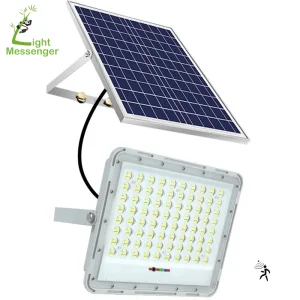
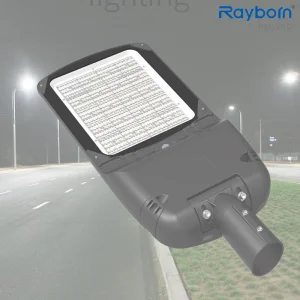
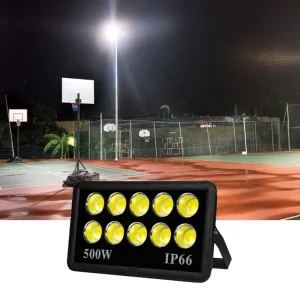
Browse our remaining high-performance lighting collections, built for industrial applications, public streets, and green energy parking developments.
 Lume Light